Maryland sets stricter coal dust control rules for CSX terminal in Curtis Bay with new permit
The Maryland Department of the Environment (MDE) has issued a new permit requiring CSX Transportation to surround its South Baltimore rail terminal with a windscreen taller than its coal piles, aiming to reduce coal dust blowing into the Curtis Bay neighborhood.
CSX must notify and seek approval from the MDE regarding the type of windscreen that will be used within 120 days, according to the permit. The windscreen must be completed and placed in operation within 18 months of MDE's approval.
"We are holding CSX to a higher standard by requiring an enclosure to control dust — a critical step to protect the health of the surrounding community," Environment Secretary Serena McIlwain said in a statement. "This is the most protective permit ever issued for this site, reflecting our commitment to environmental justice."
The permit also outlines measures to control dust emissions from various sources at the facility, including roadways, railcar unloading, material storage piles, material conveying, and ship loadout. Those measures include flushing road surfaces with water and using sweeper trucks, covering conveyors used to transport materials that can emit dust, and restricting the weight of vehicles traveling on unpaved roadways.
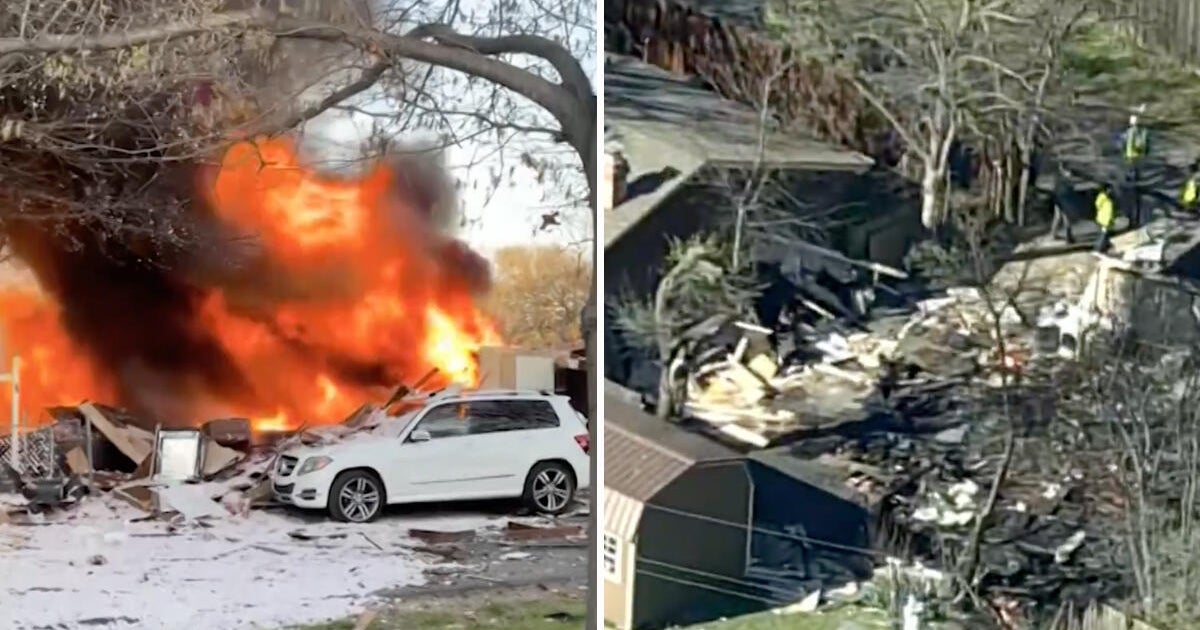
CSX's previous permit, which was issued in October 2018, was set to expire in September 2023. But an explosion at the coal piers in 2021, which coated the Curtis Bay neighborhood in dust, drew renewed public attention and increased opposition to coal operations at the site. The incident prompted MDE to extend the public comment period for the new permit.
In September 2024, CSX settled a class-action lawsuit for $1.75 million over the explosion.
Further delays came after the collapse of the Francis Scott Key Bridge in March 2024.
According to the Baltimore Banner, CSX already has a windscreen on the southern edge of its South Baltimore property.
The terminal is one of several locations monitored in a recent report by researchers at the Johns Hopkins Bloomberg School of Public Health.
The study, which tracked air quality from July 2022 to July 2023, used 10 monitoring sites around Curtis Bay and a camera to track bulldozer activity at CSX's Curtis Bay Piers terminal.
Researchers found the highest levels of air pollutants, including particulate matter and black carbon, occurred during periods of bulldozer activity combined with wind blowing from the terminal.
Air quality complaints in Curtis Bay
The findings echo years of complaints from Curtis Bay residents, who have long expressed concerns about coal dust and industrial pollution in the area.
The neighborhood, located directly west of the coal terminal, is surrounded by heavy industrial activity and diesel traffic from trucks, trains and ships.
In September 2024, CSX settled a class-action lawsuit for $1.75 million over the 2021 coal dust explosion.
Then in November 2024, residents urged MDE to reject CSX's permit renewal. However, an MDE spokesperson said that while the department can enforce operational restrictions, it does not have the authority to shut down the terminal.
CSX reviewing permit
CSX issued a response to the permit Tuesday.
"CSX is currently reviewing the air permit issued today by the Maryland Department of the Environment (MDE) to operate at the Curtis Bay Piers in Baltimore. We will have more to say at a later date," the company said.