Senior advisor to Atlanta mayor discusses homelessness response, encampment closures

After the city of Atlanta closed a homeless encampment near Grady Hospital in early March, Atlanta's deputy chief housing officer shared new insight into the city's efforts to address homelessness.
On March 6, the city closed the Bell Street encampment near Grady Hospital — the first time city officials invited people inside an encampment as they were shutting it down.
For almost six months, Chatiqua Ellison has worked as the city's deputy chief housing officer and as Mayor Andre Dickens' senior advisor on homelessness.
She feels her previous roles with the city helped prepare her for the work she's doing now.
"It's been a stack over time that I've reached this point, and now it feels like, you know, I know it like the back of my hand," Ellison said.
Last year, Ellison took the lead of the mayor's 90-day homelessness task force.
"I said, 'Mayor, I don't think there's anybody at the city that has a bird's eye view of what is going on with the ecosystem of homelessness,'" Ellison said. "It seemed that a lot of people were doing amazing work, but it just wasn't collaborating."

She set out to standardize outreach and the city's procedures for closing an encampment.
"We need to make sure that every step, every I is dotted, every T is crossed, each and every time we go into an encampment to make sure that we're doing this in a humane way, that is dignified, that we're respecting these individuals and what was their homes as well as making sure people are safe throughout this process," Ellison said.
Every week, Ellison said the city hosts an encampment coordination call.
Ellison said the list of encampments was developed in coordination with Partners for HOME and the Office of Emergency Preparedness. Both teams conduct regular site assessments to evaluate conditions at identified locations and determine appropriate responses.
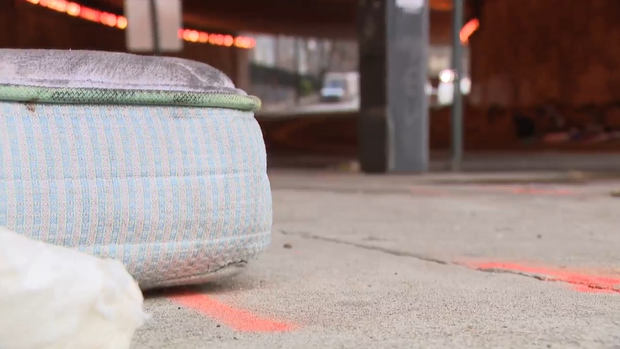
She said they look at several factors when it comes to closing an encampment, including safety. For example, Ellison said that during the winter, fires were started by some of the bridges. She said if it's a lower bearing bridge, the fires can impact the integrity of the bridge.
"We keep our eyes on every single encampment in the city, large or small, even if it's two people there, we have our eyes on it," Ellison said. "And definitely working through to prioritize where we can go based on the resources that we have, which is the housing solutions, and based off of those other things, like 'Hey, no, we have to move here fast because the crime is increasing here,' you know, 'There are too many fires here.'"
In addition to public safety, she said they also evaluate the population, health, and sanitation factors when making the decision to close an encampment.
Ellison said when they enter an encampment, they create a list that keeps track of who is living there to help them find housing and other resources.
Every week, Ellison said Partners for HOME holds a case conference where it considers what people have as far as being document-ready and what housing solutions can be potentially matched to them.
Ellison said prior to closing an encampment, they engage with the people who live there months before.
"They are notified verbally and by signage, and we do give them an opportunity to gather their things, and we try to house everybody from that site before the day of decommissioning," Ellison said. "And we offer services and emergency shelter for anybody who's still remaining at that site, so we do not just kick them away."
She said they do not close an encampment or move anyone unless they have found housing solutions for them.
In recent months, some people have wondered whether the World Cup is motivating the city's efforts.
"It's definitely been happening before all of this," Ellison said. "The mayor said in his inauguration speech, in his first term, that affordable housing and homelessness were his like "heart work," so we can go back and listen to that. So, he had already put that on his radar. He was already working very closely with Partners for HOME before I even came into the picture, and worked close with Catherine. But the Melody's grand opening was January 2024, and we had already been planning that since August 2023. So, this isn't you know work or slapping quick paint on something just for FIFA."
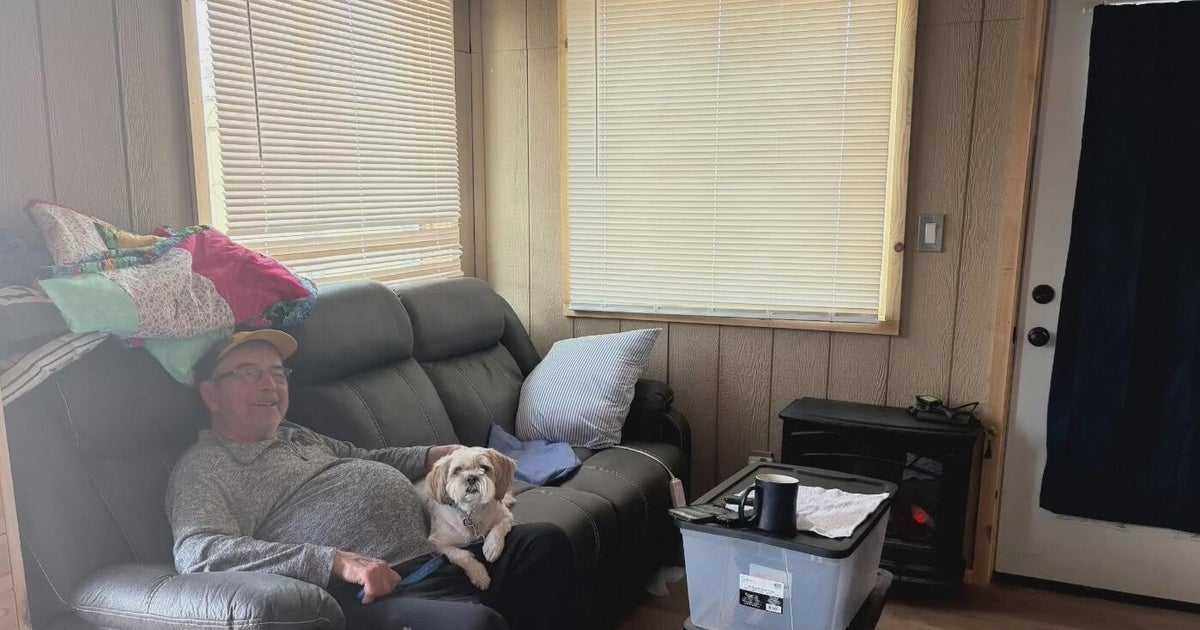
The Melody is part of the City's rapid housing initiative. The property is in South Downtown and features 40 micro-units made from converted shipping containers.
Ellison said the city has a foundation for a homelessness response now, during the World Cup, and after.
"This is work that we want to make last past this administration, past World Cup, past any other large events that come because it's not about the visibility of homelessness being gone, it's about the impact in the lives that we see," Ellison said.