Delta, deportations, and due process: What role does Delta play in ICE deportations?

A growing debate over immigration enforcement is putting Atlanta-based Delta Air Lines at the center of a broader question: what role, if any, should private companies play in deportations and who is held accountable when things go wrong?
The conversation intensified following reports that 5-year-old Liam Conejo Ramos may have been deported on a Delta-operated flight, raising concerns among legal experts and advocates about transparency, due process, and the human cost of federal immigration policy.
In interviews with CBS News Atlanta, civil rights attorneys Nora Benavidez of Free Press and Azadeh Shashahani of Project South said the moment reflects a deeper, more troubling reality about how deportations are unfolding.
"A campaign of terror"
Shashahani, a longtime immigration and human rights attorney, said what is happening is not isolated but part of a broader escalation.
"The Trump administration is engaging in a campaign of dehumanization against migrants and migrant children," she said.
She pointed to what she described as increasingly aggressive enforcement tactics across the state, including high-profile raids and expanded detention efforts.
"In Georgia, we have seen a campaign of terror, including massive raids and deportations in our communities," Shashahani said.
She referenced a recent operation at a warehouse in Social Circle, which drew national attention and concern from immigrant rights groups.
"These are not abstract policies," she said. "These are actions that are impacting real people, real families."
A system reliant on corporate infrastructure
At the center of the current controversy is the role transportation plays in deportations - a system that depends heavily on airlines and airport infrastructure.
Benavidez said that reliance raises difficult questions for companies like Delta, particularly when deportations themselves are being challenged in court.
"The administration has made clear it wants to deport more people than ever," she said. "That means more flights that are literally transporting people out of the country."
But she warned that when deportations occur outside the bounds of due process, corporate involvement becomes more complicated.
"Our courts have been incredibly clear that actions outside the rule of law are unacceptable," Benavidez said. "If corporations are participating in that system, they are entering very dangerous territory."
She emphasized that constitutional protections apply broadly — including to non-citizens.
"Everyone has the right to due process," she said. "When those rights are bypassed, and corporations are part of that process, it raises serious concerns."
ICE in airports adds to concerns
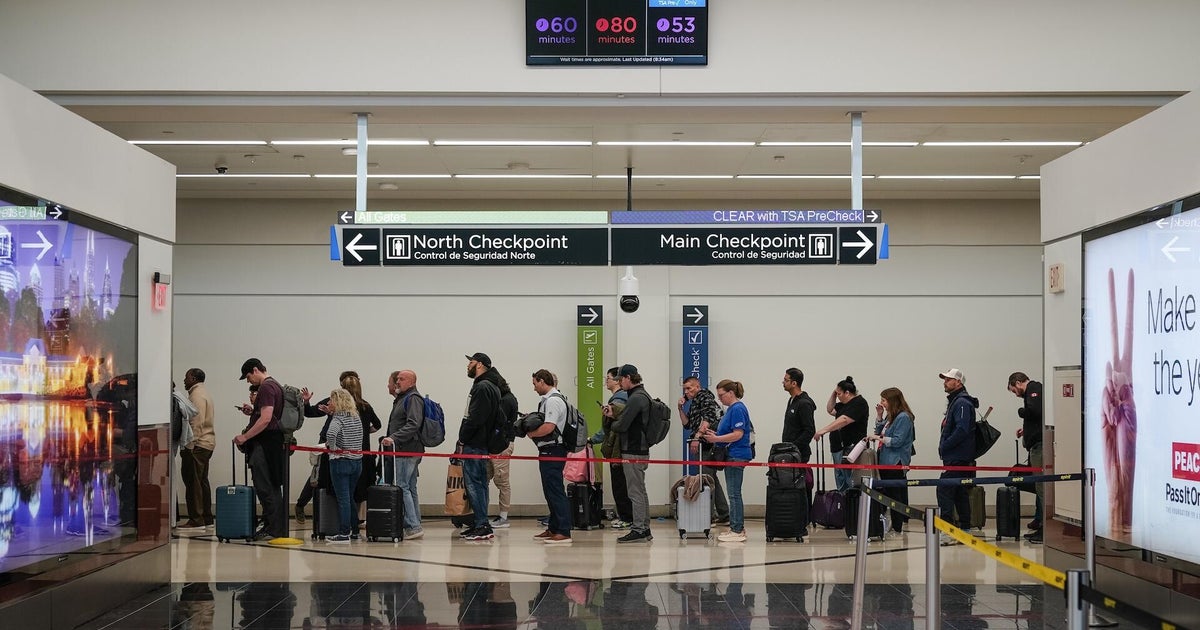
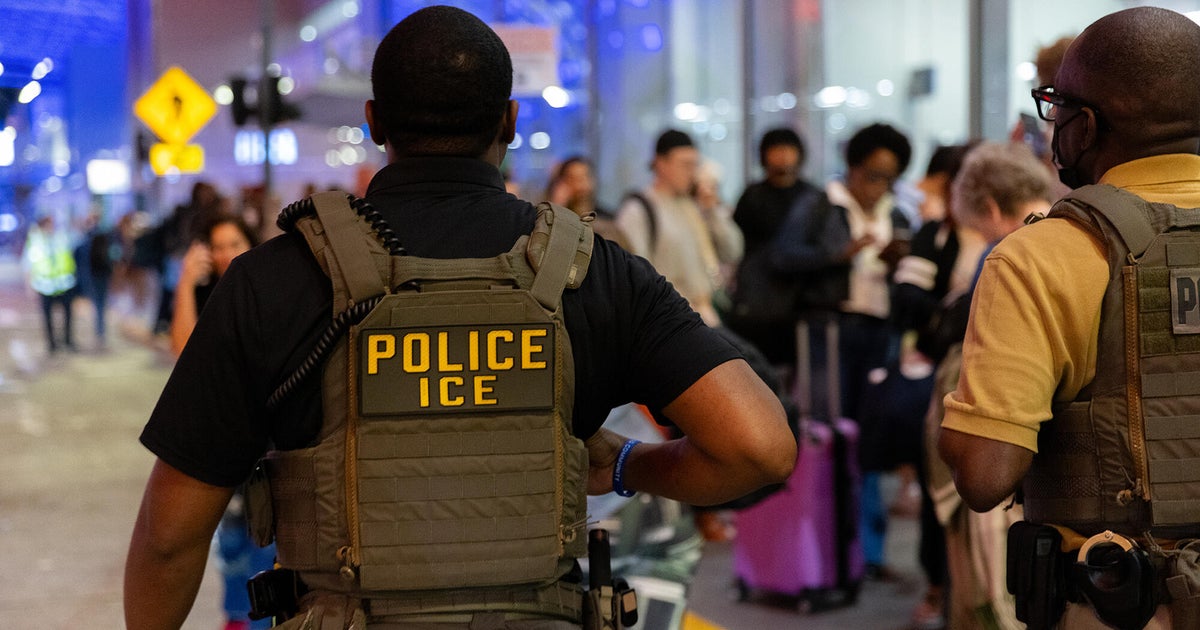
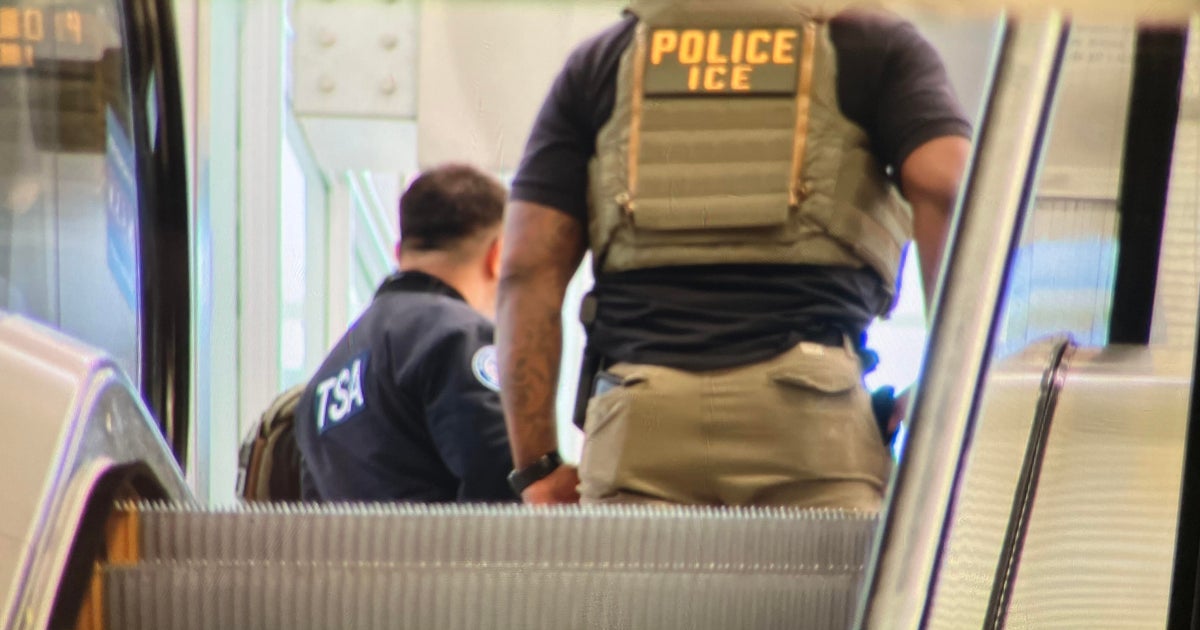
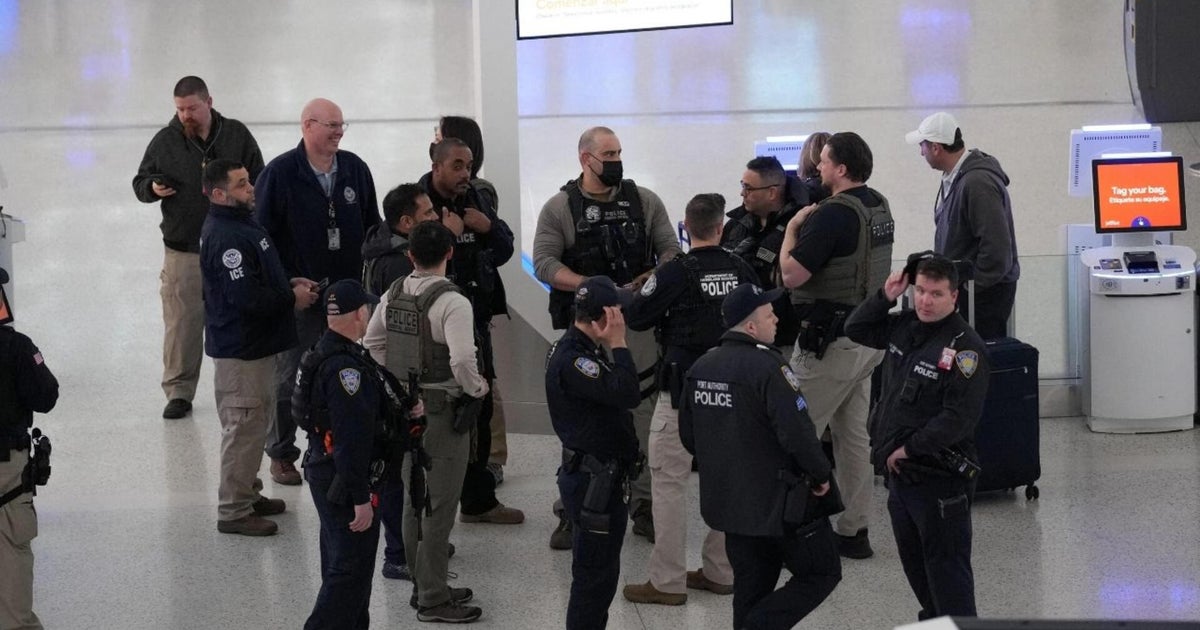
The presence of Immigration and Customs Enforcement (ICE) agents inside airports has only heightened scrutiny.
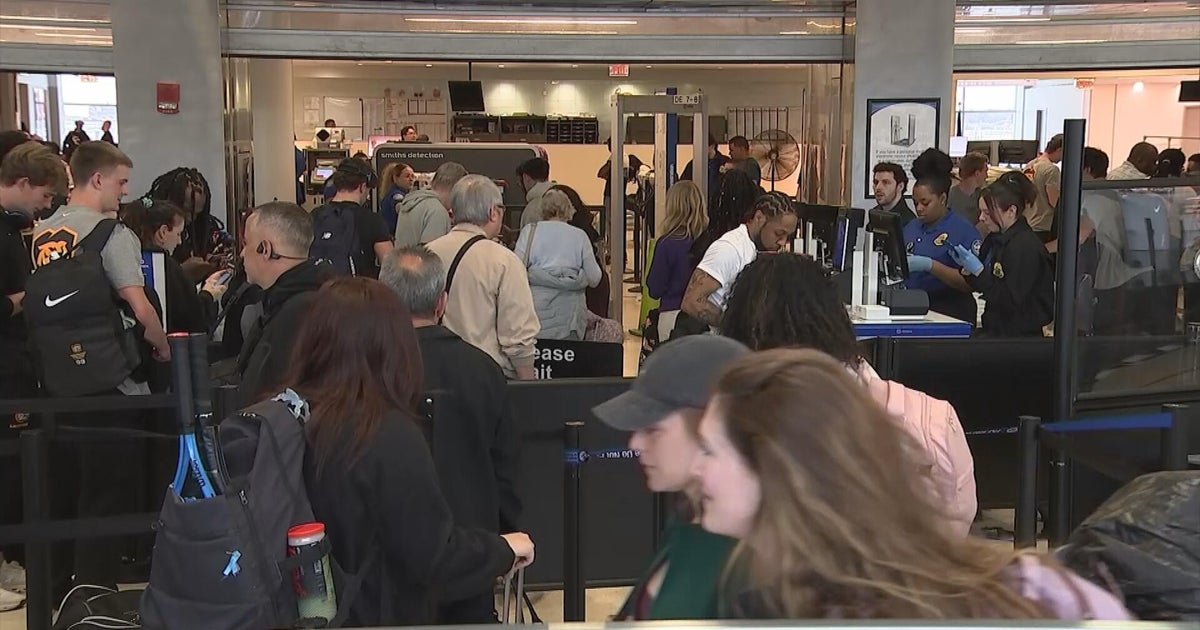
Federal officials have framed the move as part of broader efforts to manage staffing shortages and maintain security. But Benavidez said that explanation does not match what some are seeing on the ground.
"This is not about helping TSA lines move faster," she said. "ICE is not here to help travelers. They are here to carry out the administration's agenda."
She described incidents where individuals were approached or detained in airports — sometimes by agents in plain clothes — as part of a broader strategy.
"It is intimidating people. It is scaring them out of living their lives," she said.
The role of local companies
For Atlanta, the issue carries unique weight.
Delta is one of the city's most recognizable institutions — a major employer and economic engine with a global footprint, but that prominence also brings added responsibility.
"We would hope that companies would pay attention," Shashahani said when asked whether corporations should be part of the accountability conversation.
She said accountability begins with acknowledging international human rights standards — and ensuring business practices align with them.
"What would accountability look like? Acknowledging human rights standards," she said.
Benavidez echoed that sentiment, adding that corporate decisions are not made in a vacuum — and that consumers and shareholders have influence.
"Consumers and shareholders have more power than they think," she said. "When people speak up, corporations listen."
Transparency and something more
Both attorneys said greater transparency from companies like Delta would be a critical first step.
Benavidez said that could include clearer disclosures about whether and how airlines are involved in deportation logistics.
"Transparency should begin with information sharing, so people understand what they are engaging with," she said.
But she stressed that transparency alone is not enough.
"Accountability requires leaders to actually wrestle with whether they made the right decisions," she said. "That takes courage."
A moral and historical question
Beyond legal and policy debates, both advocates framed the moment as one that will have lasting consequences.
"When you see the images — people crying, being detained, families separated — that's not just policy," Benavidez said. "That's something we will look back on."
Shashahani said the stakes are especially high given the scale of enforcement and the vulnerability of those affected.
"This is about human beings," she said. "Children, families, people who are part of our communities."
What happens next
As federal immigration enforcement continues, the role of private companies — particularly those based in cities like Atlanta — is likely to face increasing scrutiny.
CBS News Atlanta has reached out to Delta Air Lines and ICE Atlanta for updated comments on current policies, deportation flight logistics and whether they have any indirect role.
For now, neither Delta nor federal officials have publicly detailed the extent of airline involvement in specific deportation cases, including the reported case involving a child.
But for Benavidez, the lack of clarity only underscores the need for answers.
"This starts with awareness," Benavidez said. "People need to know what's happening in order to respond."
And in Georgia, Shashahani said, the urgency is already clear.
"We are seeing this play out in real time, in our communities," she said. "The question now is — who is paying attention, and what are they willing to do about it?"
CBS News Atlanta will be sure to provide any information as it becomes available.