Churches become lifelines as $2.5 million project brings power, heat and support to West Atlanta

A $2.5 million investment is transforming West Atlanta neighborhoods through a new community resilience program designed to reduce energy costs and enhance community infrastructure.
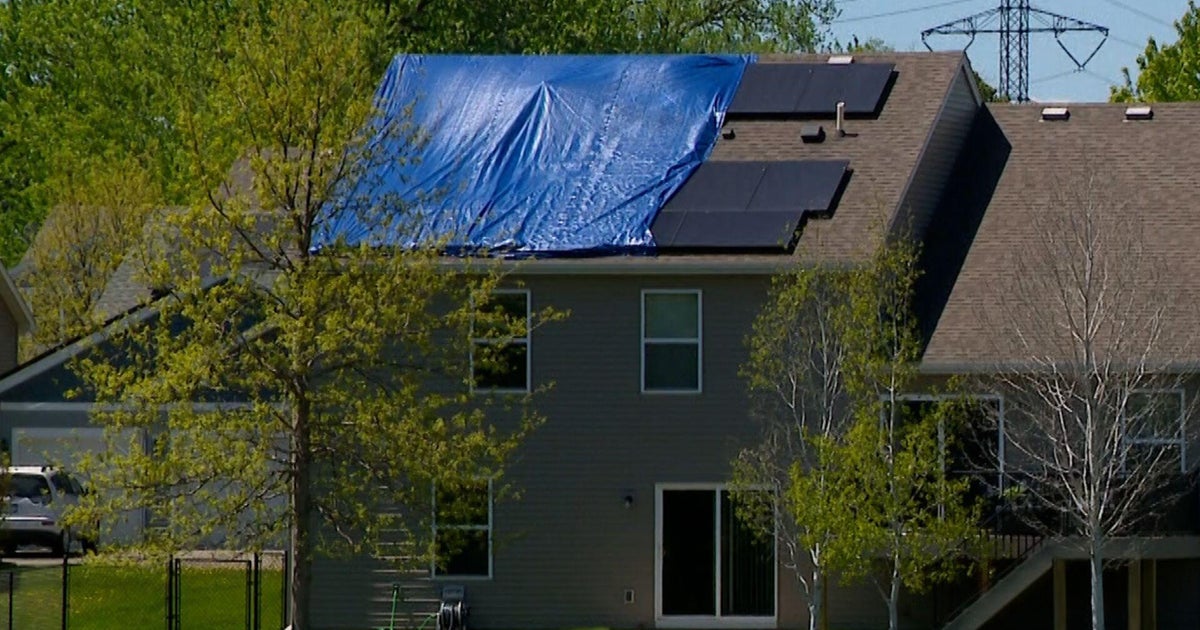
Officials with Groundswell said the initiative, the Westside Resilience Corridor, will eventually upgrade 50 homes with energy-efficiency improvements.
"The Westside Resilience Corridor is also a model for how communities, especially vulnerable communities, can address this coming energy crisis. Many of us are feeling it with higher energy bills, and folks are trying to figure out how to pay their bills, and sometimes having to choose between energy and food, energy and medicine. And that's not a choice folks ought to have to make," explained Matthew Williams. He serves as the senior vice president for community development, marketing, and communications for Groundswell.
The program is anchored by four resilience hubs that also serve as emergency resource centers, providing food, medical support, and energy access to thousands of residents.
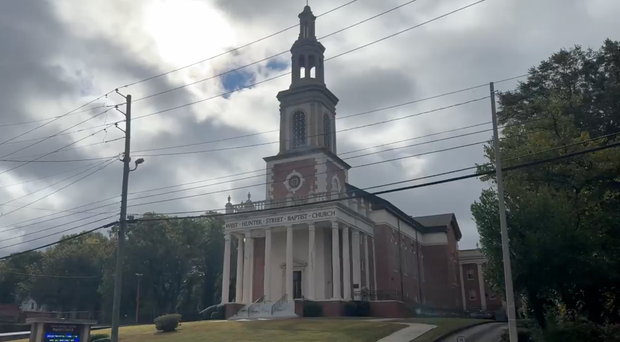
"West Side Resilience Corridor is a coalition of four churches, four historic anchor institutions on the west side of Atlanta, who've come together with the support of civic, corporate, philanthropic and other kinds of organizations in covenant partnership with Groundswell, but also with the support of Georgia Power, the Georgia environmental Finance Authority, the city of Atlanta and others," Williams said.
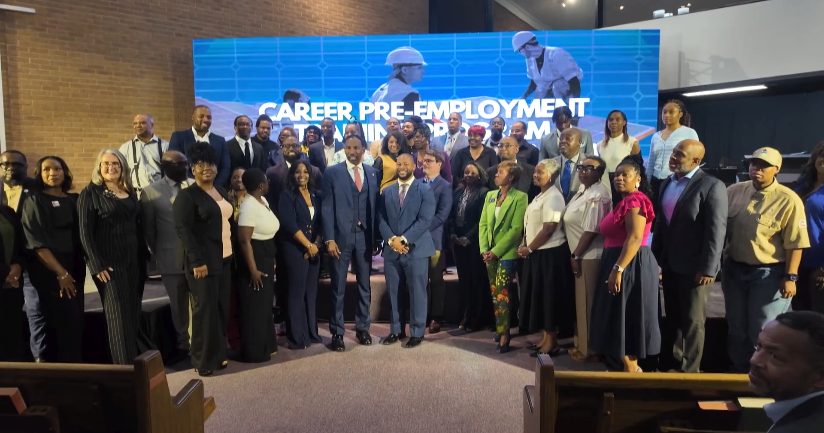
He said the initiative also includes a workforce development component that will train 50 to 100 people each year for jobs in the clean energy industry. That part of the program will be launched in February 2026.
"A workforce development program in partnership with Georgia Power and the Westside Resilience Corridor churches that will take place at the Vicars Community Center. We'll invite local residents to begin good, paying, and sustainable careers in the energy industry. So not only are folks cutting their energy bills and gaining access to resources and critical infrastructure, but there's also an economic development component that helps folks to gain access to careers," Williams explained.
When a recent severe winter storm swept through metro Atlanta, leaving thousands without power, heat, and reliable electricity, some westside neighborhoods were plunged into darkness. Several churches in west Atlanta that belong to the Westside Resilience Corridor, however, remained fully operational, offering residents a place to stay warm and connected.
Williams said these churches serve as the focal points of the resilience corridor. They include West Hunter Street Baptist Church, Providence Missionary Baptist Church, and Atlanta Good Shepherd Community Church.
"Because churches, at their best tend to be trusted institutions within communities that, on a daily basis, are already serving folks with food pantries, clothing drives, schools and other kinds of ways of serving folks and standing in the gap for the most vulnerable folks among us, and so we partner with these trusted institutions to create centers that, in the worst cases, become hubs where folks can get the resources that they need to weather the storm and recover on the other side." he shared.
One of the hubs, the Vicars Community Center, didn't lose power during the storm. The hubs are designed to provide stability when the power grid fails.
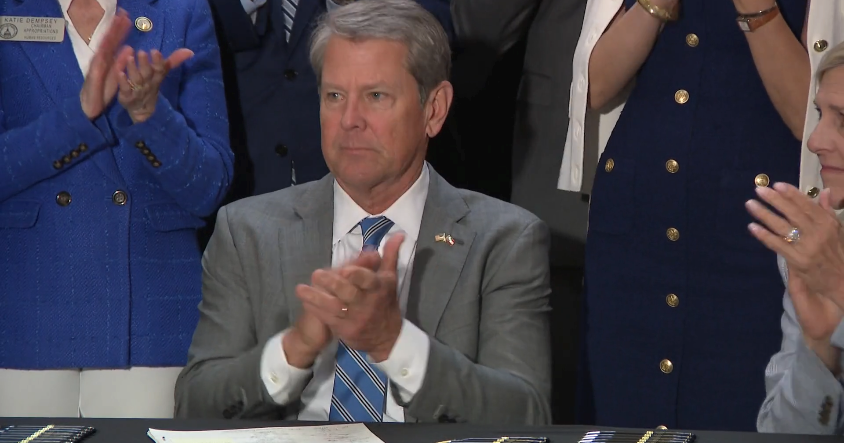
Georgia Power is also a partner in the initiative. The utility said the home upgrades it contributes to the program are especially critical for income-qualified customers who often lack the resources to make repairs on their own.
Allyson Smith, an Atlanta homeowner who participated in the program, said she noticed improvements almost immediately.
"This is the first winter in probably three or four years when my heat hasn't gone out," Smith said. "I've seen my energy bill go down, and I don't have issues with my HVAC anymore. I thought paying $200 to $250 a month was normal. Now I'm finding it is not."
"Resilience is the plan C or plan D when the wheels fall off," said Pastor Kevin Earley, senior pastor of Community Church Atlanta. He said the center could remain operational for weeks if the power grid goes down.
Another partner church, West Hunter Street Baptist Church, is preparing to build its own resilience hub as part of the corridor.
"This resilience hub gives us an opportunity to meet real needs," said Pastor Cedric Jackson. "If the grid goes down, neighbors can come here, power medical equipment, charge phones, and get support. It's really a service to the community."
Williams said organizers hope the partnership encourages others to collaborate on similar resilience programs across Atlanta. Current partners of the corridor also include the City of Atlanta, the Georgia Environmental Finance Authority, Google, the Arthur M. Blank Family Foundation, and the Wells Fargo Foundation.