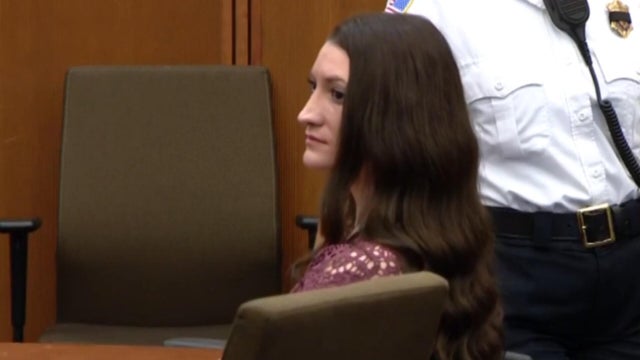
TONY DOKOUPIL:
00:00:00
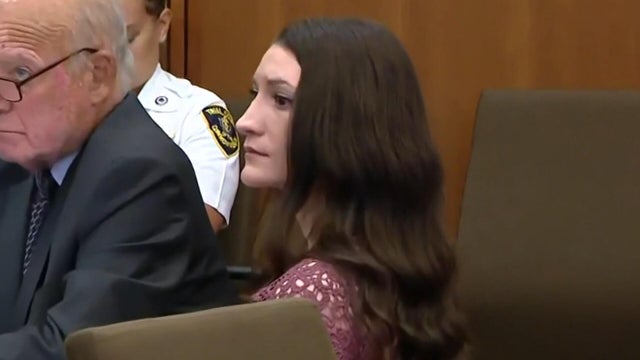
And good evening. It's a mistrial. The hung jury, to be exact, in the case of Lindsay Clancy. The Massachusetts mother killed her three very young children, and her trial has captivated and divided the country for weeks. For her supporters who have been turning up outside court and for the defense, Clancy is herself a kind of victim, overtaken by postpartum psychosis, poor treatment, and a cocktail of medications. Quote, "a fantastic, wonderful individual," her lawyer told reporters today, "robbed of an acquittal by a single male juror." But for many others, including the prosecution, all of that is a distraction, as the district attorney put it today, from the real pursuit here, justice for what he called those three little babies. Our Shanelle Kaul has our report. I'm going to declare that the jury is deadlocked, and I'm going to declare a mistrial.
SHANELLE KAUL:
00:00:53
It was an extraordinarily tense day that ended with the judge declaring a mistrial in the Lindsay Clancy murder trial. I understood how hard everybody worked in this case.
SHANELLE KAUL:
00:01:04
The judge's ruling came after a Hail Mary by the defense failed, with Clancy's attorney asking the Massachusetts Supreme Court to intervene. Earlier today, the jury of nine women and three men sent a note saying, "It is with a heavy heart that we are unable to come to a unanimous decision." After nearly 40 hours of deliberation-- We have a person who, under their oath, stood in front of you yesterday, looked you in the eye, and lied.
SHANELLE KAUL:
00:01:37
On Thursday, the jury sent two notes questioning one of the juror's ability to abide by the law on reasonable doubt. The judge questioned each juror and instructed them again. It was revealed in open court that there was an 11 to 1 split. Today, Clancy's defense openly sparred with the judge. You didn't do it forcefully, and I'm asking maybe do it forcefully. What do you want me to do-- I want you to tell this juror-- --get a brass band?
SHANELLE KAUL:
00:02:03
And outed that holdout juror as a male. He is not being honest with you.
SHANELLE KAUL:
00:02:10
The trial hinged on whether the jury believed Clancy was of sound mind when she killed her three children. This afternoon, the DA did not say whether they will try the case again. Lindsay Clancy killed her three children, and the evidence suggested to us that she was in control of her actions when she committed those homicides.
SHANELLE KAUL:
00:02:30
Clancy's defense says his client and her family believe they were robbed of a not guilty verdict. They know that they were robbed by one man, for whatever his agenda was. So I hope that guy can sleep well at night. And Lindsay Clancy's former husband, Patrick Clancy, tonight saying, quote, "the prospect of reliving this tragedy through another trial is extraordinarily painful." And until a decision on that is made, Lindsay Clancy will remain held at a psychiatric facility. Tony. Painful is the word for it. Shanelle, thank you. Let's go deeper now with CBS News Legal Analyst Caroline Polisi. Caroline, good evening once again. What are the next steps here? Well, I think likely Kevin Reddington has a few more tricks up his sleeve, likely making some motions to try to bar an actual retrial of this case, making some sort of double-jeopardy argument, which wouldn't usually apply, but he might be making new law here. But in the immediate steps, we heard from both of those men on the courthouse steps. They are angry. They are righteously indignant. They both say they have the moral high ground. I think when the Plymouth County district attorney's office takes a hard look at this case, though, and they see that 12 of their constituents sat through this trial for six weeks-- and if it's true that it was an 11-to-1 split, 11 of those constituents did not see that this case had been proven beyond a reasonable doubt. So I think when cooler heads may prevail in the coming days and weeks, they may want to take a critical look, a more nuanced approach to how they pursue what justice is in this case. So in other words, as we all hope to hear from the jurors, that might also influence the decision that the prosecutor makes? Absolutely because you've got a test case right there, right? So you don't want to waste resources moving forward. Maybe they lower the charge. Maybe they go to a second degree so that they can have a bench trial. You can't have a bench trial with a first-degree murder charge. So many options are still on the table, Tony. So difficult. Caroline, thank you very much.