ADRIANA DIAZ:
00:00:00
Now to our series, USA to Z, where we bring you stories from across the country to celebrate 250 years of America. This week is a twofer. W for Wonder Woman, who is also celebrating a milestone birthday this year, turning 85. Can you believe that? Perhaps she's most popularly known as the '70s TV icon played by Linda Carter. But we dug into Wonder Woman's little known origin story to understand how the complicated feminist continues to inspire Americans. In the sprawling multiverse of comic culture, one woman reigns supreme. Just ask anyone at GalaxyCon in Nashville. Why do you like Wonder Woman? Because she's a badass. She looks gorgeous. Chef's kiss. It's amazing. I would say she's the queen bee.
ADRIANA DIAZ:
00:00:50
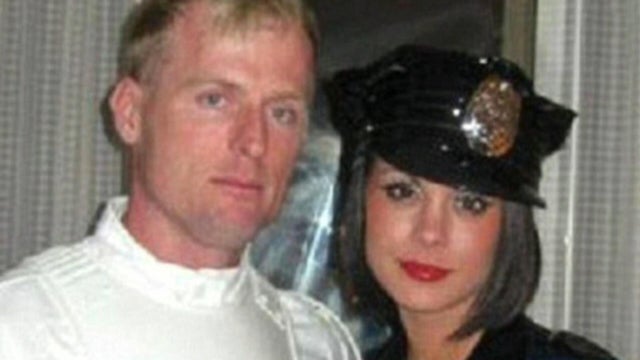
First introduced in 1941, Wonder Woman was described like this. As lovely as Aphrodite, as wise as Athena, with the speed of Mercury, and the strength of Hercules. Wonder Woman left Themyscira, a secret island of women for a place called Man's World, where she led with strength and compassion. Welcome to the Wonder Museum. Wow! Just ask Kristi Grabow-- These are from the late '70s.
ADRIANA DIAZ:
00:01:16
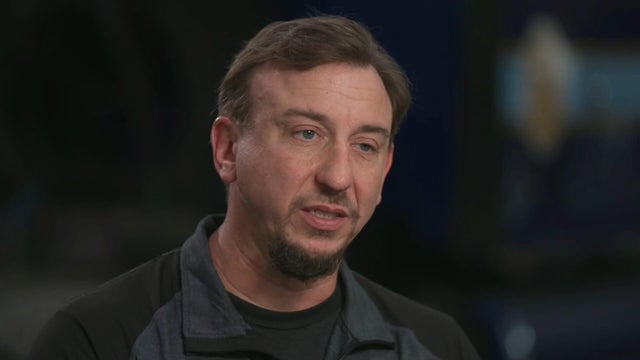
--an EMT turned Wonder Woman collector. She displays these items at conventions to raise funds for domestic violence survivors, but dreams of creating a permanent Wonder Woman museum. Wonder Woman's gotten me through a lot in my life. I grew up in a home with domestic violence, and I was a first responder for a number of years. So reminding myself that my strength might be what gets that other person through their day. And I definitely think Wonder Woman makes me remember that.
ADRIANA DIAZ:
00:01:48
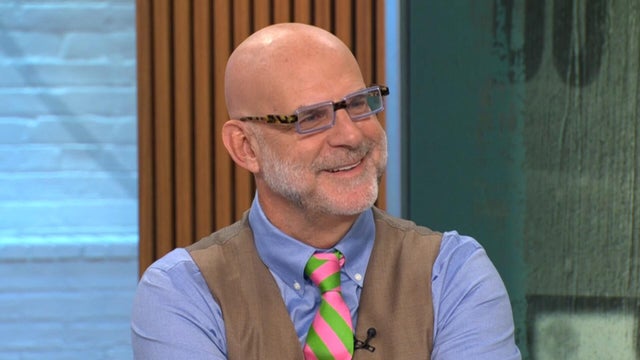
But how did this symbol of strength and empowerment become such an enduring part of American pop culture? At New York City's Strand Bookstore, we met with Harvard Professor Jill Lepore to find out. She wrote, These Truths, a History of the United States, and The Secret History of Wonder Woman. Wonder Woman debuted in 1941. There had been tons of complaints that comic books were bad for kids, and especially super violent. So DC Comics hired this famous consulting psychologist, Dr. William Moulton Marston. He came up with this idea to create a female superhero. This would solve all of their problems. Why would it solve all of their problems? Because she would be kind of a goddess of love and peace and truth.
TV ANNOUNCER:
00:02:29
Dr. William Marston tests his latest invention, the love meter.
ADRIANA DIAZ:
00:02:33
Marston was the inventor of the lie detector, the inspiration behind Wonder Woman's Golden Lasso of Truth. [JAZZ PLAYING] But Marston kept secrets of his own. He was married and had children with his wife. His mistress was a former student. He had children with her. They raised their four children together, as in a three-way marriage. And it was really his wife and the other woman in the marriage who created Wonder Woman. What Wonder Woman as a character was meant to do was fight for democracy and women's rights by embodying the original commitments of the suffragists.
ADRIANA DIAZ:
00:03:08
But just six years after Wonder Woman's debut, her creator died in 1947. And like most women in the wake of World War II, Wonder Woman's autonomy diminished. It was during the women's liberation movement of the 1970s that Gloria Steinem reintroduced her as a feminist icon, putting her on the first issue of Ms. Magazine, running for president, just like Shirley Chisholm was. Linda Carter then helped solidify Wonder Woman's place in American culture. I'll make you proud. I promise.
ADRIANA DIAZ:
00:03:44
But where is Wonder Woman now? Still appearing in comic books, which brings us back to Nashville's GalaxyCon. Unfortunately, I didn't see any women who looked like me writing comics.
ADRIANA DIAZ:
00:03:55
Stephanie Williams is one of the writers behind the comic, the first Black woman to ever write for the main Wonder Woman title. It's such an honor because comics in themselves, you are always adding to the broader tapestry of things. So for that young woman who is reading Wonder Woman comics that I've written, I hope that they say, oh, she looks like me. Why do we need Wonder Woman still today in America? How much time do you have? We still need her because, again, she is this beacon of hope. And when you have the ability to make change, you go out of your way to do that. Shout out to Stephanie. She's also been nominated for two Eisner Awards. Those are basically the Oscars of comics, including for best writer. She's the first Black woman to get that nomination. Shout out to Julia Fleischer, who pitched, wrote, produced this amazing piece. Rob Kaplan, our amazing editor. Myra Zuleta also worked on this. But what I loved about this is discovering this really complicated backstory. The women behind the man who created Wonder Woman, right, were his wife, Elizabeth, who came up with the idea to come up with a female superhero. And then his mistress was the one typing up all the manuscripts.
KELLY O'GRADY:
00:05:12
It was complicated. Yes, very complicated. They were suffragists, and so that was part of the thrust of creating Wonder Woman, you know, into this moment. And we're still seeing the impact today. Well, I'm glad that you got to do this, because you are also a Wonder Woman-- [GASPS] --doing so much, carrying so much, family, job, everything. So, perfect. Thank you, Kelly. Yeah. [LAUGHS]