WOMAN:
00:01:08
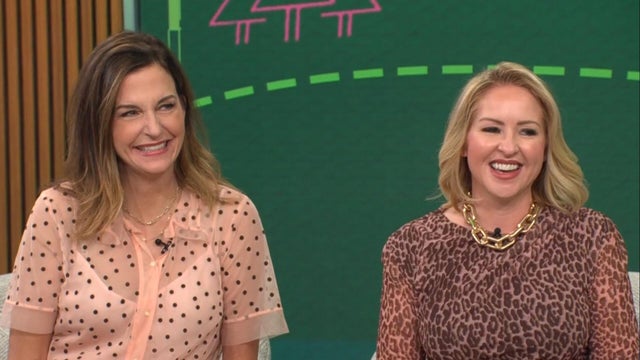
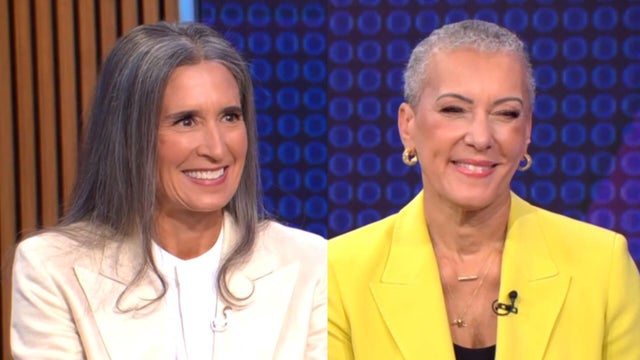
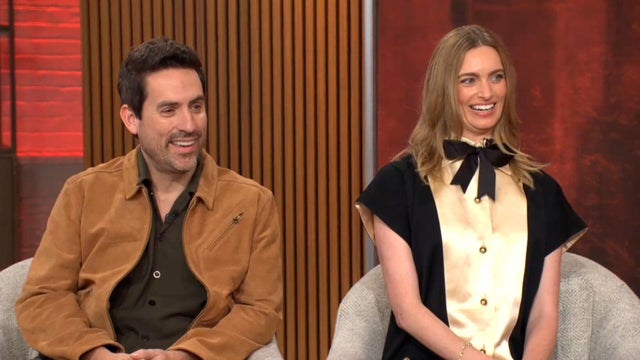
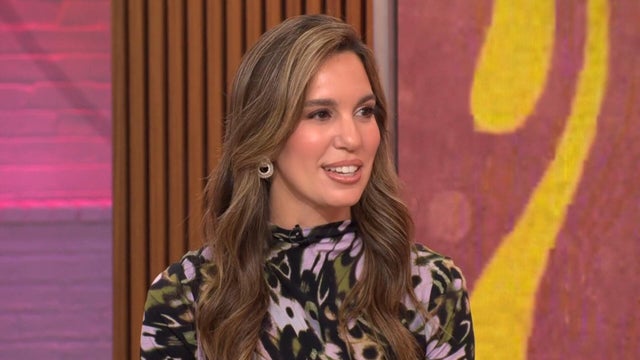
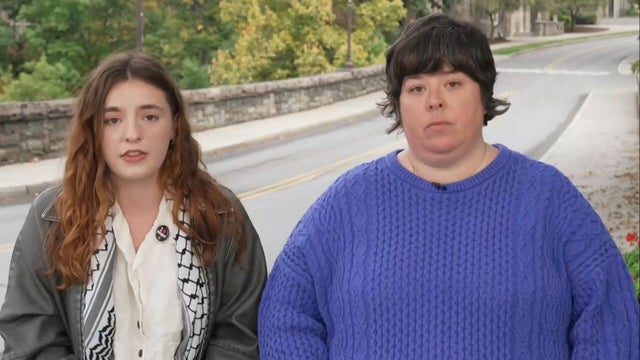
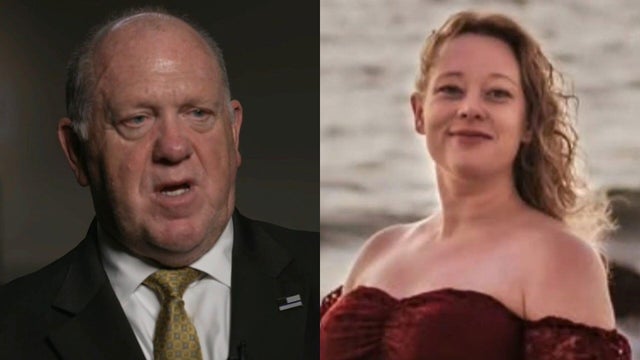
I remember thinking, that's interesting. How did Sam get a new wife? Somebody's been doing something that wasn't put together by the prophet. Rachel Dretzin and Christine Marie join us exclusively on CBS Mornings. Good morning to you both. Good morning. Good morning.
GAYLE KING:
00:01:29
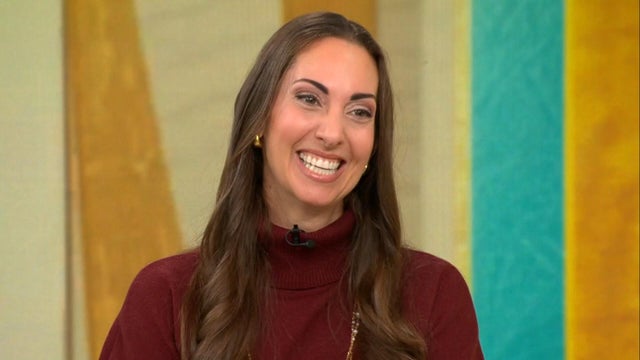
Really excited to talk to you. I was just going to watch one part of the docuseries, guys. I ended up watching all four because I couldn't believe what I was seeing. Christine, I want you to set the stage about how you ended up being there and were able to film them. I moved from Las Vegas 2 and 1/2 hours away to this community. And because I had experience and education, I thought that I could help the people in that community. I went there to help.

GAYLE KING:
00:01:56
And let's talk about Sam for a second because he was described as, at one point, a loser. He'd been divorced.
NATE BURLESON:
00:02:03
A schlump.
GAYLE KING:
00:02:04
Yeah. You describe a neighbor said that he was never taken very seriously. I couldn't understand how this man was able to captivate so many people, men and the women. Well, in the Mormon culture, people believe in a prophet, and a prophet speaks directly to God, even in the mainstream LDS church, which I used to be a part of. But what Sam did is, he became a parasite off Warren Jeffs. In other words, because people had so much loyalty and love for Warren Jeffs, with Warren Jeffs in prison, Sam started representing that Warren Jeffs was communicating with him and made him the new mouthpiece.
GAYLE KING:
00:02:45
And people believed him? People believed him. Some people believed him, not a lot. The mainstream FLDS-- most FLDS wanted nothing to do with him, but he did convert three families with a lot of girls. And, Rachel, you worked to ensure that this series was centered around the victims, not the perpetrator of these crimes. Why did you want to create that distinction, and what was your approach to it? Well, I think that something that has personally inspired me and I know it's inspired others is the sort of fierce courage that it takes to stand up against someone with authority in this community who claims to be a prophet. These girls are basically raised from birth to obey men and to obey their prophet. And so I really wanted to honor those women who were able to find their voice and to stand up against him. And, Christine, how was Samuel Bateman able to avoid authorities for so long? Because people knew about what he was doing. Yeah, that was the frustrating part. They insisted that they would not charge him unless there was a victim coming forward, and there was no way to get a victim to come forward unless we spent the time integrated with them so they would trust me to come forward.
GAYLE KING:
00:04:05
At one point you said in the doc, in order to help them, I have to betray them, which I thought was a very powerful thing to say. Because you had gone to the cops repeatedly. I had. The minute I learned a new piece of evidence, I would let them know. And then the fact that they didn't act on it was so frustrating to me, but it's not unique to this town. I mean, I guess a lot of law-enforcement agencies want a victim before they will charge.
GAYLE KING:
00:04:34
But you seemed to struggle with using the word betray. I was very touched by that because you knew you were doing the right thing, but you were also worried about hurting them.
CHRISTINE MARIE:
00:04:43
I was so worried about it. It was such a conflict for me. I mean, it can be the right thing, but I love these people, and I still do. And to know that they are victims of Sam Bateman, survivors now, but that I might be adding to their sense of pain and suffering, I had to go to my own therapist just to process that. It was really hard.
NORAH O'DONNELL:
00:05:08
And, Rachel, you say that that tension between trust and betrayal is really the heart of this docuseries, right?
RACHEL DRETZIN:
00:05:13
It sure is. I mean, I think, in many ways, Christine's our proxy, and the audience is learning the story just as she is in real time. And so the torture that she goes through, the sort of internal conflict she goes through is very central to the story of the film, yeah.
NATE BURLESON:
00:05:33
Oh, go ahead. Go ahead. What do you want people to think about this community? Because we hear the Warren Jeffs story. We hear this story. And I could see people thinking, is that what they all do? How common is this? Most FLDS people do not put up with abuse. In the media, there's a lot of focus on the more negative aspects. But when I moved there and I got to know FLDS families, I mean, they're just loving mothers. Some of them are more independent than others, start their own businesses, do their own things. They're all individual people. Imagine an FLDS woman. You just have to say, how do I imagine a woman from New York? There's so many different personalities and dispositions. They're all different.
GAYLE KING:
00:06:21
And in the end, it was a mother, Julia. She's the hero.
CHRISTINE MARIE:
00:06:25
She is the real hero.
GAYLE KING:
00:06:27
She had to break the code.
NATE BURLESON:
00:06:29
Yeah. Rachel Dretzin, Christine Marie, thank you so much for joining us. Trust Me-- The False Prophetis available to stream on Netflix today.