Watch CBS News

More colon cancer cases detected earlier

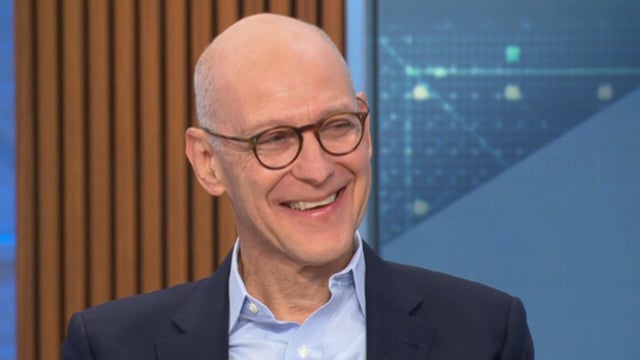
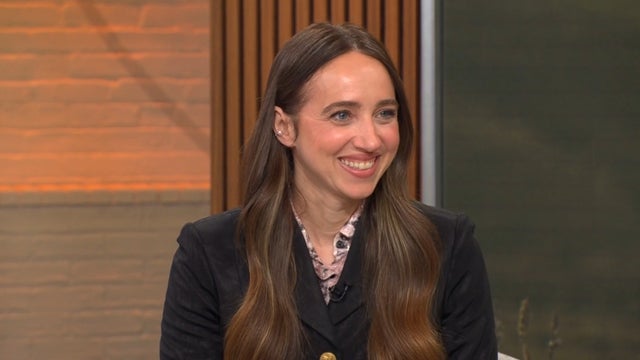
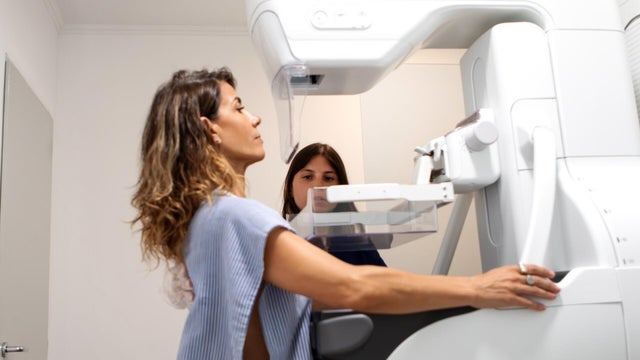
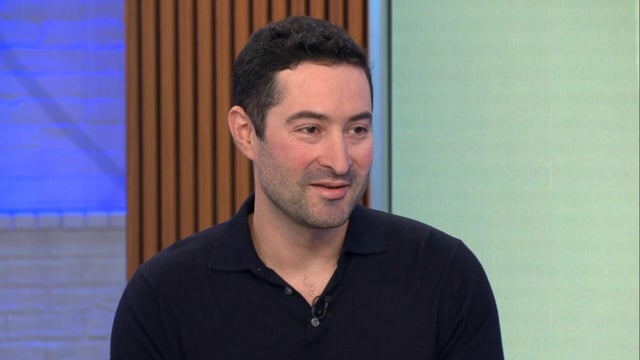
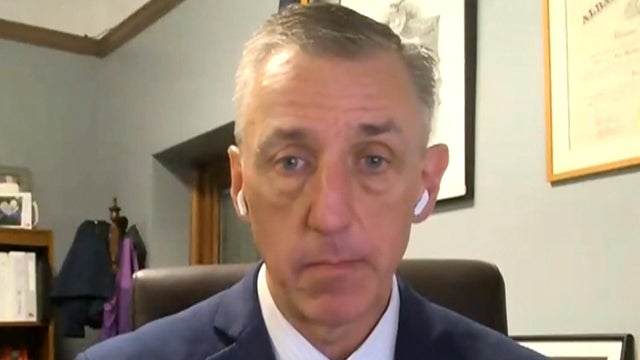
The American Cancer Society says colonoscopies on people aged 45 to 49 increased by 43% from 2019 to 2023. The tests are finding cancer cases earlier, when they're more curable. CBS News chief medical correspondent Dr. Jon LaPook explains what to know.
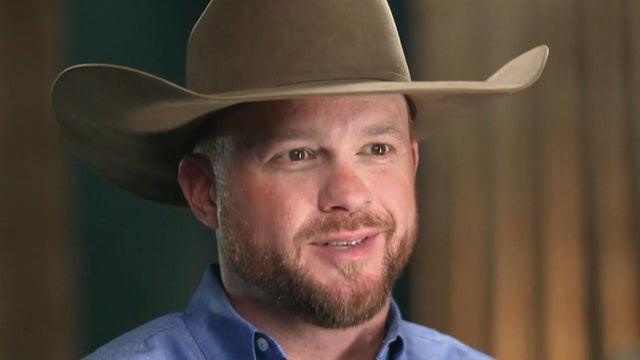
Aug 5, 2025 (02:38)

TRANSCRIPT FOR: “WHY MORE COLON CANCER CASES ARE BEING DETECTED EARLY”

NATE BURLESON:
00:00:24

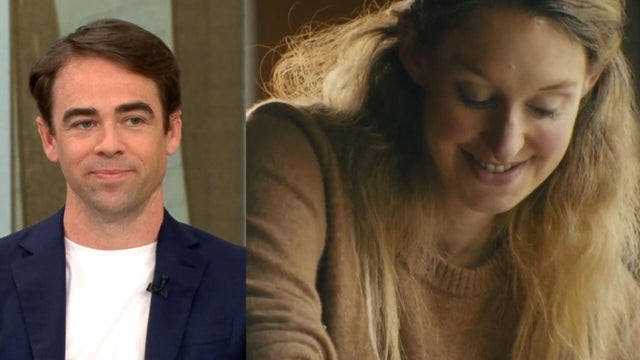
He's also a gastroenterologist at NYU Langone Health. Did I say that correctly? You did. All right. Well done. Good morning. Thank you, sir. Good to see you. So what do you make of these findings? Well, I'm smiling, right? It's really good news. Because back in 2018, the American Cancer Society said, you know what, let's start screening people at 45, if they're at average risk, rather than 50.

NATE BURLESON:
00:00:43

Why? Why? Because we've been seeing, for many years, colon cancer affecting younger and younger people for unclear reasons, OK? So they said, all right, fine. We'll start screening. We should pick up those cancers, hopefully, at an earlier stage, when they're more curable, right? I mean, if they're in the very earliest stage, they're more than 90% curable. And that's exactly what happened.

NATE BURLESON:
00:01:03

Now, what are some early warning signs that people should watch out for? Well, you know, we've talked about those before, which are things like change in bowel habits, constipation, bleeding, anemia, fatigue, iron deficiency. But you know something? I don't want people to get to that stage. You want to get to the point where you can do it before you get the symptoms of colon cancer. So what happens is a colon polyp starts off being benign. Almost every colon cancer starts off as a benign colon polyp. And then it can be in you, totally benign, for years. Yeah. If at any point you do a colonoscopy and you find a benign polyp that was destined to become a colon cancer and you remove it, instead of getting colon cancer, you do not get colon cancer. So it is really an amazing thing to be able to not only diagnose the polyp, but at the time of the procedure, take the polyp out and prevent somebody from getting cancer.

NATE BURLESON:
00:01:55

I'm in my mid 40s. I recently got a colonoscopy. And there is this overwhelming sense that I had a peace of mind moving forward. They say ignorance is bliss. When I was younger, I thought I didn't need anything. I was invincible. But with all of that said, even though individuals like me are getting colonoscopies, rates are still low. Why? Yeah, they're too low. I mean, it was about a third in this age group, from 45 to 49, which is better than 1 in 5, which it was in 2019. Getting better. Colonoscopy is the gold standard. Stool tests may be easier for some people. They're pretty good at picking up colon cancer-- not as good for colon polyps. But basically, let's get the word out. Get screened. It could save your life. There you go. Get the word out and get screened. All right, Dr. Jon LaPook. Thank you so much.


Videos
View CBS News In
CBS News App Open
Chrome Safari Continue