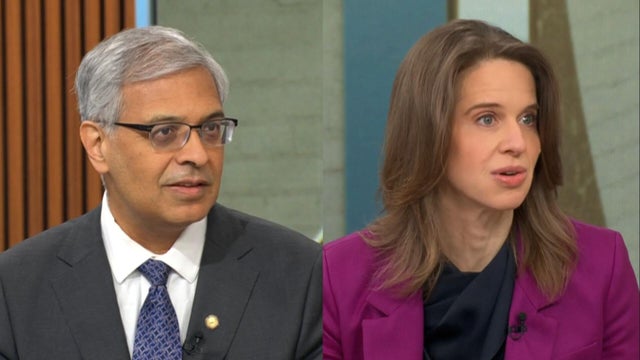
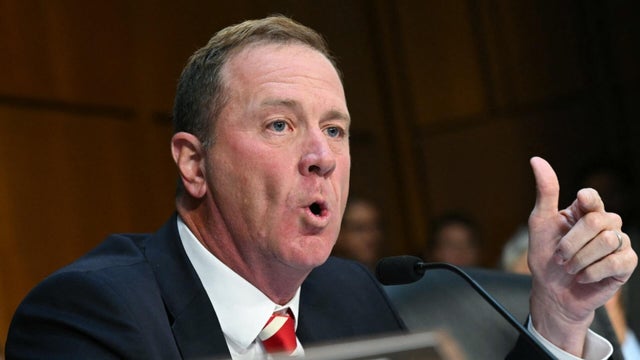
JOHN SULLIVAN:
00:02:25
Well, to end this conflict, the Ukrainians have to be included. They get a vote. They got a vote in February of 2022, when everyone in the Biden administration, from President Biden's ambassador in Moscow on down, thought that Zelensky didn't have a chance to survive. The Ukrainians fought back heroically. They're going to continue to resist Russian aggression. They're not going to give up territory willingly. The President and Putin might agree. But the Ukrainians have to be included. How are they included if President Volodymyr Zelensky isn't involved or present? Well, that's because Putin won't meet with him. Putin doesn't want to give him that dignity. Putin doesn't want to acknowledge that he is an equal. Putin thinks that Trump, the President of the United States, that's his counterpart. He doesn't want to deal with someone whom Putin has been describing for years now as a drug-addicted Nazi. He wouldn't want to be seen meeting with him in public.

NEWS ANCHOR:
00:03:19
Yeah, and, meanwhile, the fighting continues. Ambassador Sullivan, thank you very much. Definitely appreciate it, and the death and the killing continues. CBS News is going to have complete coverage of this meeting between Vladimir Putin and Donald Trump today. We'll have it on CBS and streaming on CBS News 24/7, led by John Dickerson and Margaret Brennan.
NEWS ANCHOR:
00:03:35
And there will be more on this conversation on CBS Mornings Plus, correct?
NEWS ANCHOR:
00:03:37
With the ambassador. Looking forward to that.
NEWS ANCHOR:
00:03:40
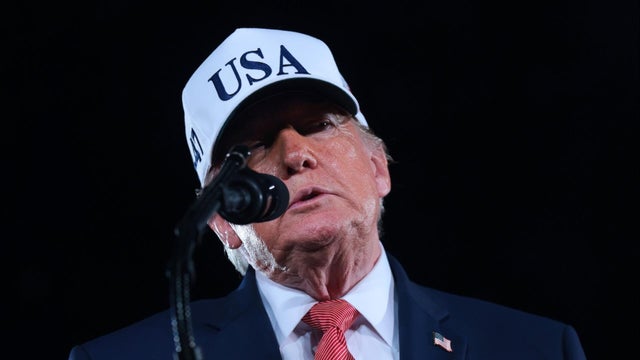
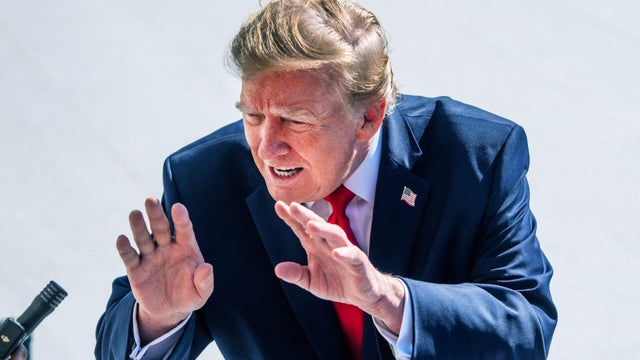
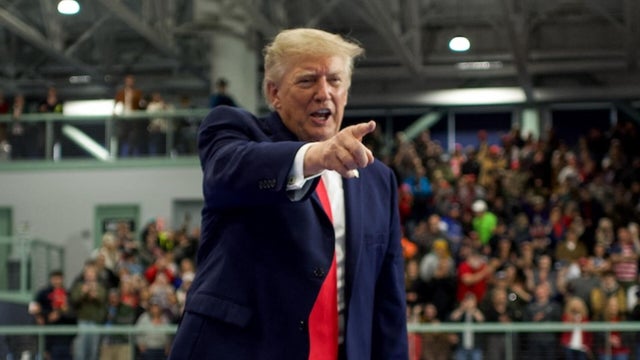
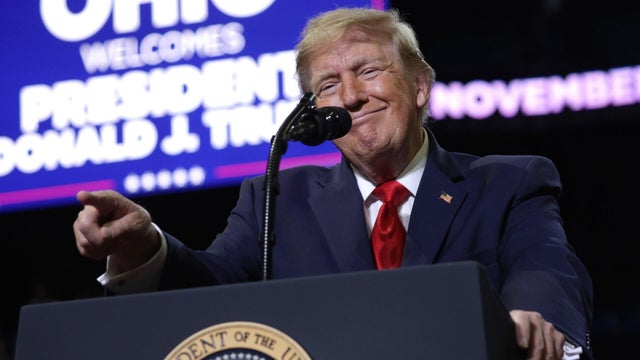
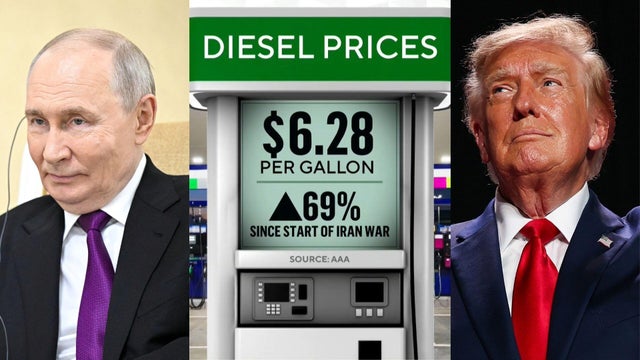
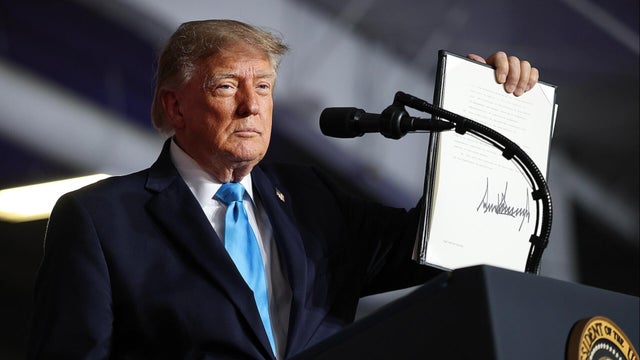
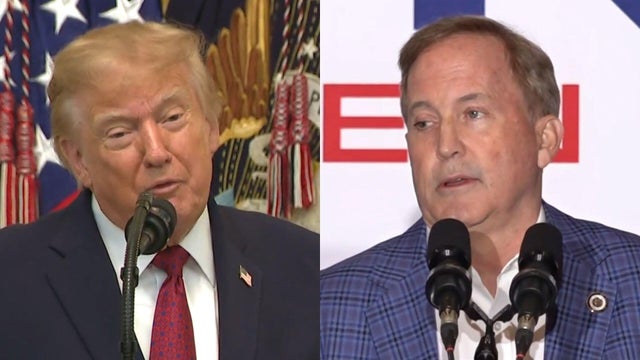
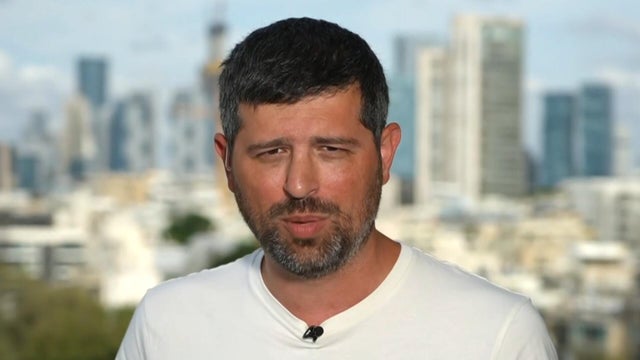
President Trump is en route to Alaska for a historic and controversial meeting with Russian President Vladimir Putin today in Anchorage. It's the seventh time these two leaders have met face to face but the first time since Russia's 2022 invasion of Ukraine. President Trump says he does not believe this meeting will lead to an immediate ceasefire. But he also warned that there will be what he called "serious consequences" for Russia if it doesn't agree to stop this war. Ukrainian President Zelensky, meanwhile, not included in this summit. President Trump says he hopes today's meeting will lead to another one when all three leaders will be in the room together. And, by the way, one major sticking point in all of this is what should happen in the negotiations to the territory on your screen there in yellow that has been taken by Russia and used to belong to Ukraine. About one fifth of Ukraine, that's land, Zelensky says, his country is, in fact, not willing to negotiate with, will not give up. A lot of money on the line as well, since the war began three and 1/2 years ago, the US has set aside close to $185 billion in aid for Ukraine. About 90 billion of that has been spent. So what happens now? What happens next? We're joined by the best person I can think of to talk about all of it, former US Ambassador to Russia John Sullivan. Mr. Sullivan joined served as ambassador from 2020 to 2022 and then Deputy Secretary of State. But the key thing is you sat across the table from Vladimir Putin. And you negotiated on behalf of the US for both the first Trump administration and then the Biden administration, so you've seen a lot. You've done a lot. What do you think of this meeting? Is it a good idea? Look, the premise, peace in Ukraine, is laudable. Who would be opposed to that? No one wants to see the violence continue, but it can't be peace at any cost. And that's my fear, is the risk is that Putin is coming with an agenda, and his agenda is his imperial ambitions for Russia, correcting the great geopolitical catastrophe, as he describes it, of the 20th century, the demise of the Soviet Union. He wants to restore Russia to greatness, to make Russia great again.
NEWS ANCHOR:
00:05:48
So you don't put any credence in his claim that, look, this is NATO encroaching on Russia's borders. And we have to push back NATO by pushing into Ukraine. Well, accepting that argument is to say to the 100-million-plus people in Eastern Europe who had been under the thumb of the Soviet Union and the Warsaw Pact, that they couldn't look West to protection from NATO, from their neighbor to the East in Moscow, denying them their sovereign rights as Poles, Czechs, Ukrainians, to decide what's right for their security and their future. Moscow doesn't get to decide that for Ukraine. Ukrainians decide that. So, Ambassador, we know that Putin doesn't want to give up the 20% of Ukraine that's currently under Russian control. Zelensky says that any conversation about giving up territory is a non-starter. So where can inroads be made in this conversation toward a ceasefire? Well, there's the ceasefire, and then there's a more permanent peace. The ceasefire is something that Putin could, I think, possibly agree to, but it would be a sham. He can't be trusted. He lied to the world in 2024, saying that Russia wouldn't invade Ukraine, had no plans to invade Ukraine. If he were to agree to a ceasefire, my speculation is he would use it to rearm, re-equip his forces and then stage a provocation, accuse Ukraine of violating the ceasefire, and resume military operations. That's a quick fix that the Russians will never ultimately abide to. Permanent peace is a much more difficult issue for the very reasons you cite. The Ukrainians don't want to surrender their territory that the Russians seized by military means. And Putin, having lost hundreds of thousands of soldiers to fight this war, he can't give up that territory now. That's a defeat for him and a defeat that he probably wouldn't survive and stay as president of the Russian Federation. So is there anywhere, I mean, where do you see the potential points for progress? The path toward progress has to include more pressure on Russia, which has been something that members of Congress, senators, others outside the administration, have been urging the President to apply more pressure to Putin. Most of the pressure that the White House has applied has been to Zelensky, the victim. There needs to be more pressure on the aggressor, sanctions, tariffs, as the President would say, to make it more costly for Putin because, at this point, he doesn't have the incentive to find a permanent solution to this. He wants to achieve victory. That's his goal.
NEWS ANCHOR:
00:08:30
So many of our viewers outside of the bubble of media and DC politics are thinking, three years in, $185 billion, how long are we going to stick with this fight? And why should we, I guess, really is the question.
JOHN SULLIVAN:
00:08:42
So, one of the criticisms of the Biden administration, right, was that its policy was we were going to support Ukraine for as long as it takes, without explaining why. Here's why. We have a permanent member of the UN Security Council with the largest stockpile of nuclear weapons in the world that has engaged in an imperial aggression against a sovereign country in Europe. And Russia won't stop there. If Putin succeeds, we've already seen his designs on Moldova, Georgia. We've seen this happen before in the 20th century, right? Americans, twice in the 20th century, in the Great War and in the Second World War, we thought we could stay aloof from a conflict in Europe, when there was aggression, and, particularly with the Second World War, an aggressive war of conquest waged on the continent of Europe, with the principal focus in Central Europe. That's happening now in our lifetime today. And if Putin is rewarded for this, what will it say to Beijing, Tehran, Pyongyang? It's a much more dangerous world for the United States if Putin succeeds at this.
NEWS ANCHOR:
00:09:51
And for Americans. Ambassador John Sullivan, thank you so much.