Watch CBS News

Signs your college student may be struggling

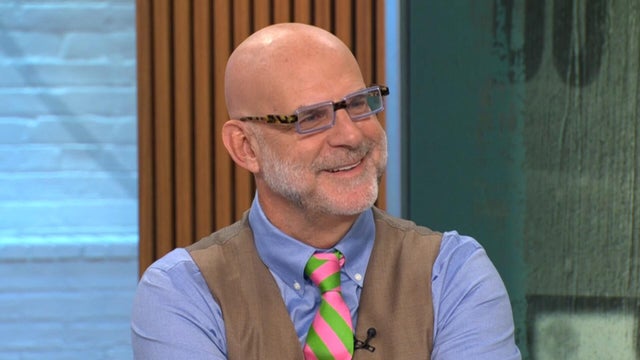
A new study of more than 84,000 college students finds 32% report moderate to severe anxiety and 37% report symptoms of depression. Psychologist Lisa Damour joins "CBS Mornings Plus" to share what parents should watch for, how to offer support, and when to step in.

Oct 23, 2025 (04:57)

TRANSCRIPT FOR: “WHAT PARENTS SHOULD KNOW ABOUT COLLEGE STUDENTS' MENTAL HEALTH”

ADRIANA DIAZ:
00:02:16

Catcher in the Ryereference? Yeah. Everything sucks. Everything's boring. You're a phony. This is phony. This is lame. That's not what we're talking about here. That's not what we're talking about. And one of my favorite ways as a clinician to really decide how concerned I should be is sometimes I'll say the things that you like to do, do those still make you happy? And often it can be like, yeah. No, everything's lame. Everything sucks, but I still like going to the movies. That, for me, is often very reassuring. But if I have a young person say to me, no, even the stuff I used to like doesn't feel good, that is a very useful question to start to get a read on where you are. And that's a question parents can ask their kids. They absolutely can ask. They absolutely can ask. So what about a lot of college students have roommates? That's always a struggle to balance that relationship. But what if a student has a concern about their roommate's mental health? What should they do? So that happens, right? You get to college, and you have a roommate who's having a significant mental health concern. I think the first thing we want to say to the kid who has the roommate is to say, this is not your responsibility. You are not responsible for the mental health care of your roommate. Colleges have-- That's so huge-- It's huge. --because everyone feels like if you see someone, it's on you.


LISA DAMOUR:
00:03:28

They just take it on. And they're so loving, but they can kind of get overwhelmed themselves, which we don't want. Colleges have layer upon layer upon layer of support. They have RAs. They have freshman deans. They have counseling centers. So the job of the kid who's worried about their roommate is to work with those layers to figure out what kind of support the roommate needs and to help make that happen, and parents can support that from afar. But it is not the responsibility of the roommate to take care of a roommate who's struggling. So are these embedded counselors on college campuses, are they working? And it feels like-- and is it new? Because I don't recall-- not that I probably ever really needed any help when I was in college, but I don't recall there just-- I recall there being health services, but that was like if you gashed your hand in the middle of the night or something at the fraternity party, not this. This is new, and it's really cool. There are studies showing that students are using these counselors. They're in the dormitories. And the thing about it is students can walk by. They can lay eyes on them. I think even though college counseling centers are amazing, getting yourself to the college counseling center can feel intimidating. It's some building over there. You don't know what you're walking into. So I think it's such a brilliant way to meet kids where they are. And the smaller we can catch a problem, the easier it is to fix it. And so having proximity and ease of access makes a big difference. I learn so much when Lisa is here. I have to say, we're going to do something for social media with your tips on having little kids, which we were eating up before we started-- Yeah, before this started. --the commercial break. We'll post that later. Yes. Lisa Damour, always great to have you.


Videos
View CBS News In
CBS News App Open
Chrome Safari Continue