Watch CBS News

Understanding AI psychosis

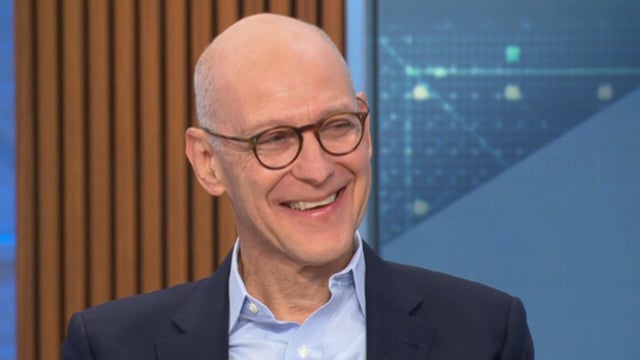
For some people who are developing relationships with AI tools, the technology is inducing delusions or distorted beliefs, a phenomenon referred to as "AI psychosis." Dr. John Torous, psychiatrist for Beth Israel Deaconess Medical Center, joined "The Takeout" to discuss.

Aug 18, 2025 (04:18)

TRANSCRIPT FOR: “UNDERSTANDING AI PSYCHOSIS”

JOHN TOROUS:
00:00:54

Thank you for having me. As humans, we all form relationships. Sometimes we form emotional bonds with characters on TV, our TV shows, things that aren't real. The same happens with chatbots. To some degree, people get attached. When ChatGPT 5 came out last week, hundreds of people took to social media-- actually, thousands, and said it felt like they were losing a friend because the new version didn't have as much personality, and the company actually is beginning to reverse it. Now, some people take that emotional bond a little bit too far, and when that chatbot emotional bond becomes reality and people can't say what is real, what is not, that's where what is called AI psychosis comes in. So we lose touch with reality because we think that the chatbot represents it.

MAJOR GARRETT:
00:01:41

And the chatbot is supposed to do that, isn't it? It's supposed to reaffirm these emotional cues and sort of give us that lifeline, if you will, to our own emotional dependency, right? Exactly. To a limited degree, it's meant to do it, right, where it's meant to give us a little bit of emotional support, some encouragement, but it's not meant to push us to do things that are dangerous, illegal, or, again, that we lose touch of reality and do things that we would not normally want to do or mean to do. So there's a spectrum. And when we say AI psychosis, these are cases that are far outside of the realm of normal. And is this something that people who are either predisposed to addiction or to low-level delusions or distortions in their own pre-existing nonchatbot world are more vulnerable to? So we know in certain mental illnesses, like schizophrenia, people are prone to delusions and hallucinations. And even if we go back over a hundred years ago to the Industrial Revolution, people started having delusions about technology in what was happening. And now we live in an era where delusions are not just about technology. They're happening with technology. So it just tells us that some people who, again, may already have a mental illness, this may be part of what they're experiencing, but it may also be people who are, again, at risk of developing some of these mental illnesses that cause people to lose touch with reality. It may be that, again, when you're saying an echo chamber or the chatbot reinforces things that aren't real or supports things or gives you encouragement that is not correct, that could, again, tip people over who are at risk of developing some of these severe mental illnesses to actually beginning to have one. And, Doctor, are we left to the tender mercies of the tech companies to sort this out? I mean, we have to realize there could be some advantages too. We know that when people, say, with schizophrenia hear voices, sometimes listening to music-- technology actually can lessen those voices and help. So there is a world, to some degree, where some aspects of technology could help people lessen it. But I think at this point, there's so much we don't know. As you showed earlier, we're learning about what is this AI psychosis on a day-by-day basis. We're getting new information. So it's a new phenomena that we're seeing. We're trying to understand it, but we're in the early days of it.

MAJOR GARRETT:
00:04:11

We are in early days, indeed, but you shed some important light on it for us. Doctor John Torous, I appreciate it very much. Thank you.

View CBS News In
CBS News App Open
Chrome Safari Continue