CHRIS LIVESAY:
00:00:18
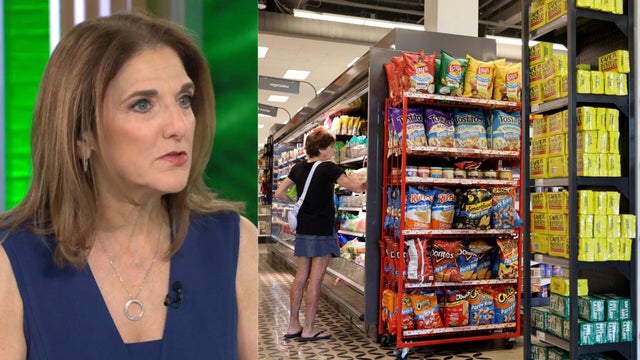
Prime Minister Keir Starmer led Labour Party to a landslide victory in 2024. But less than two years later, Britain's economy is still struggling. Prices remain high, taxes are up, and people are unhappy with the performance of public services like the National Health Service. That frustration showed up in recent local elections where Labour lost support. One of the biggest winners, Nigel Farage, and his anti-establishment Reform UK Party. Starmer has also been bruised by his appointment of a longtime Labour figure with past ties to Jeffrey Epstein. I should not have appointed Peter Mandelson. I take responsibility for that decision. And I apologize again to the victims of the pedophile Jeffrey Epstein.
CHRIS LIVESAY:
00:01:06
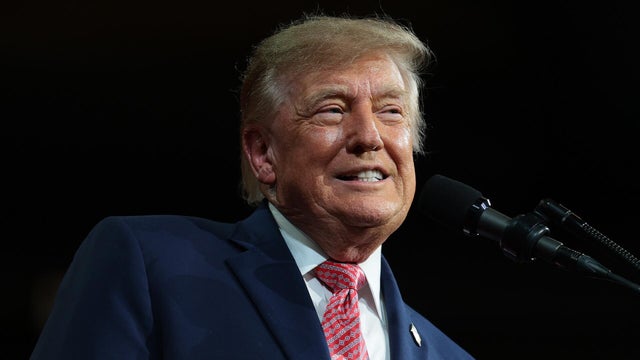
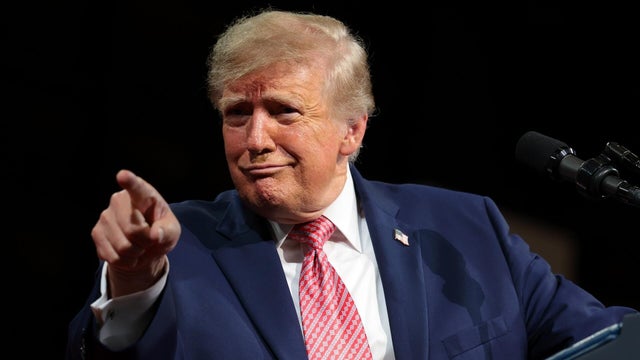
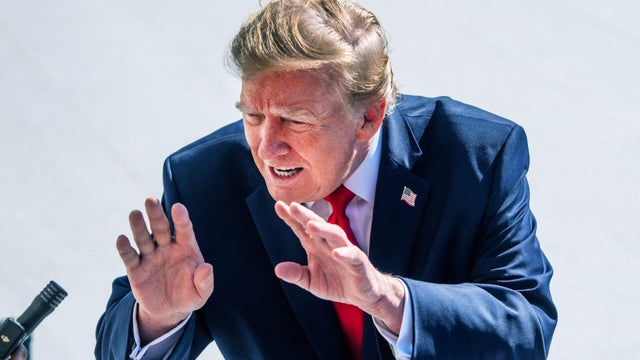
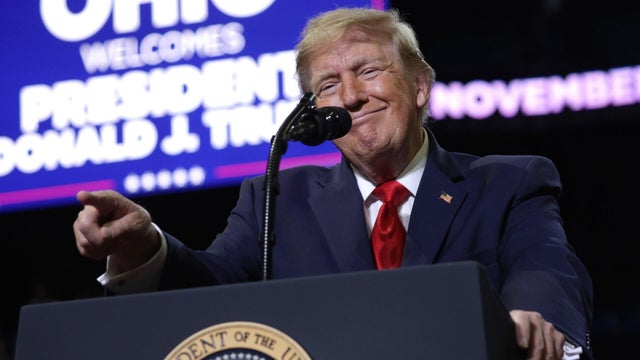
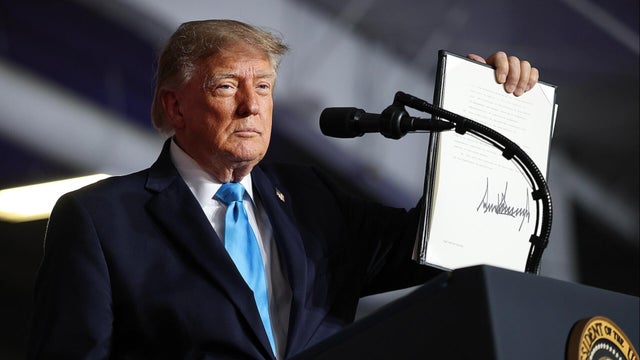
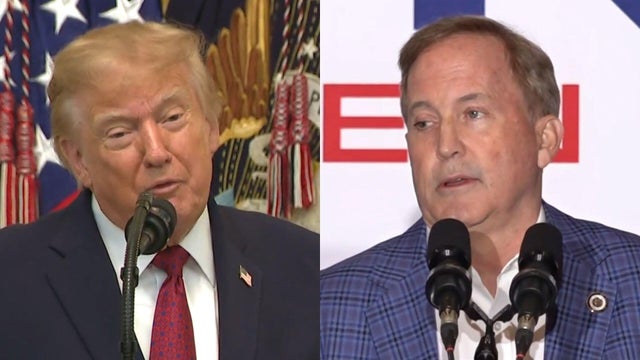
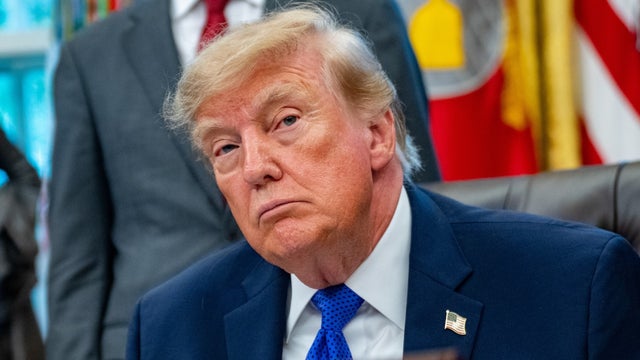
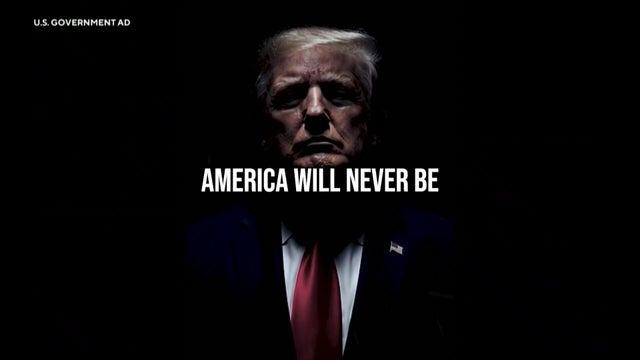
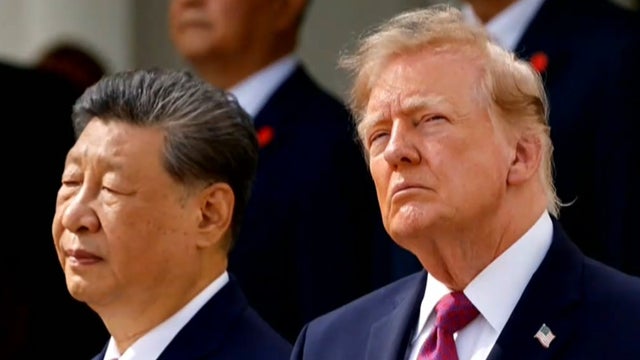
And Starmer has faced criticism from President Trump, upset by his reluctance to support the Iran war. This is not Winston Churchill that we're dealing with.
CHRIS LIVESAY:
00:01:17
This week, Starmer acknowledged the voter pushback. I know that people are frustrated by the state of Britain. I know I have my doubters, and I know I need to prove them wrong, and I will.
CHRIS LIVESAY:
00:01:32
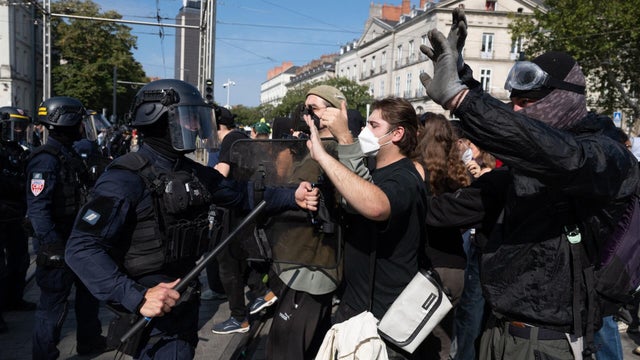
The prime minister still has a large majority in parliament, but that doesn't equal support from the public. So you probably won't survive. But to be honest, I don't really care. Nothing ever changes. So yeah, good luck to him, I guess. Now, in the UK parliamentary system, sometimes the biggest threat to a prime minister can come from within the prime minister's own party. So unlike in the United States, if enough allies of the prime minister turn on him, well, that can topple the government, put Keir Starmer out of a job long before voters have their say. Kelly. All right, Chris Livesay in London for us. Thank you so much.