Watch CBS News

Expert: "Serious legal questions" over DOJ fund

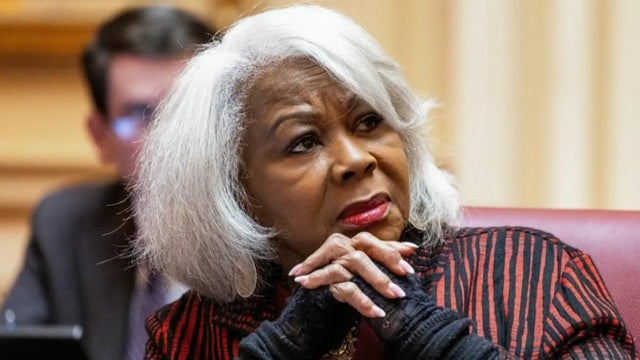
The new Justice Department "anti-weaponization" fund is facing scrutiny over its execution and enforcement. Rupa Bhattacharyya, legal director at the Institute for Constitutional Advocacy and Protection at Georgetown University Law School, joins with analysis.

May 21 (04:11)

TRANSCRIPT FOR: “THERE ARE "SERIOUS LEGAL QUESTIONS" ABOUT CREATION OF DOJ "ANTI-WEAPONIZATION" FUND, EXPERT SAYS”

MAJOR GARRETT:
00:00:00

Legal director for the Institute for Constitutional Advocacy and Protection at Georgetown University Law School. Rupa Bhattacharyya joins me now. She worked in the Justice Department and helped compensate those who were injured or died on 9/11. So this fund has been compared to some of these previous compensation funds, but is there any genuine precedent for what this fund seeks to accomplish? In a word, no. Every other compensation fund that I've worked on including the September 11th Victim Compensation Fund was created by Congress. And Congress set out the eligibility criteria, it set out the harms for which compensation could be awarded, and it provided some guidelines around the amounts of compensation that could be awarded. None of that exists here. There's no congressional statute that created this fund. There's no court oversight of this fund. And there are serious legal questions about how this settlement and this fund have been created and the sources of funding that are being used.

MAJOR GARRETT:
00:01:01

When you testified earlier this week, the acting attorney general Todd Blanche compared this fund to a fund that was established to compensate African-American farmers in this country who had for decades been denied access to various agriculture programs. Do you see any comparison between those two? So to the extent that there is a comparison, it's a very small one. In a lot of respects, that settlement was quite different from this one. Number 1, it was pursuant to a court order and was court supervised. Number 2, it was less money. Number 3, much of the money did go to actual victims of the underlying conduct that was alleged in the lawsuit that was being settled, which is not the case here. And number 4, the part-- there was a small part of the money that did go to non-parties in the lawsuit under a specific doctrine that applies in class action cases. That's the example that they're pointing to. But that piece of the money, which was a small piece of the settlement although still a large amount of money-- it was I think a few hundred million dollars-- was extremely controversial at the time, and Republicans in particular objected to it so much that when the first Trump administration came into office, Attorney General Sessions banned the practice of using settlement money to pay off third parties to the litigation.

MAJOR GARRETT:
00:02:23

You have a lot of great detail on all of the specifics here. Let's just step back for a second because it's worth considering how this got started. There was a leak of the president's tax returns. He sued as president the Internal Revenue Service for $10 billion, and part of the settlement was the creation of this fund. Help my audience understand exactly how precedented or unprecedented that whole part is. It's pretty unprecedented. First of all, the collusive nature of the lawsuit is entirely unprecedented. The president here is on both sides of the V in the litigation. He is both the plaintiff who is seeking the settlement and ultimately controls the defendant who is offering the settlement. That sort of collusive litigation and the conflicts that it-- that arise as a result, it has-- I've never seen that happen before. Number 2, as I said, it's generally the practice in settlements that the party who gets the money are the victims. That's not happening here, the victims of the underlying conduct that's alleged in the lawsuit. But more concerningly, as a general rule, when money comes into the United States from whatever source including in settlement of litigation, that money is supposed to go to the general treasury so that Congress can appropriate it under its constitutional power of the purse. How they-- the legal authority that they are relying on to divert those settlement funds into this new anti-weaponization fund is entirely unclear to me.

MAJOR GARRETT:
00:04:06

Rupa Bhattacharya, Georgetown University Law. I appreciate it very much. Thank you.

Videos
View CBS News In
CBS News App Open
Chrome Safari Continue