Watch CBS News

The role of debate in America's founding

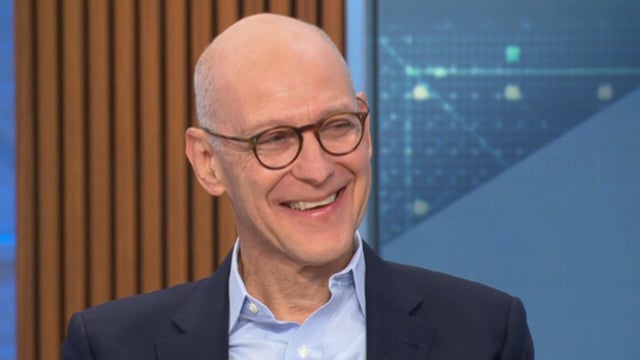
As the U.S. prepares to celebrate its 250th anniversary, a new book is examining the foundation the Founding Fathers laid for generations to come. Tony Williams and David Bobb, authors of "Divided Over the Declaration," join to discuss.
Jun 15 (06:23)

TRANSCRIPT FOR: “THE ROLE OF DEBATE IN AMERICA'S FOUNDING”

MAJOR GARRETT:
00:00:00

Welcome back. As America prepares to celebrate its 250th anniversary, a new book takes a look back at how we got here, the foundation the Founding Fathers laid for generations to come. It's titled Divided Over the Declaration-- How an Enduring Debate Sustains the Vision of America. Earlier, I spoke to authors Tony Williams and David Bobb. The book is called Divided Over the Declaration. We'll get to the book in a second, but I think there's a more important initial conversation we need to have, David and Tony. America 250 creates a kind of vague sense of apprehension, it seems to me. I feel it in my audience. People don't know how they should feel or if they can celebrate this in a way that doesn't feel somehow either politicized, pro-Trumpian or anti-Trumpian, and just pro-American. Do you sense that? Very much so. I think, Major, what we've seen-- let's just start with the classroom, an area that Tony and I know well from our work at the Bill of Rights Institute. Teachers want to be able to challenge students to think through all of this. They call it inquiry. You ask good questions, right? You push. And what they feel like, oftentimes, is their ability to get students to disagree has really fallen off. So young people look at this big national debate that we're supposed to be having, robust generative, catalytic. They don't see it. What they see is adults sparring at each other and then losing their friendships. I remember growing up where I could joke with a neighbor and say, hey, our votes are going to cancel each other on Election Day, but we can still-- But that's OK.

DAVID BOBB:
00:01:37

That's OK. Right. And that kind of thing is what I think we're losing when we walk on eggshells. Tony, this walking-on-eggshells concept, it's become, I think, as important as the sort of cliche, oh, we're a divided country. Look, I think a divided country can function. An eggshell country has a hard time functioning when its origin story is of confidence and courage. Right, and that's what I think is missing today is that we have a real sense of division. But that's why we wrote the book, right? We were divided over the Declaration and the question of independence, and so it's not surprising that we have been divided over the past 250 years. We've fought a Civil War. And there's a sense of division now, but I think if we anchor ourselves in the unity of the Declaration and think about self-government-- I mean, after all, democracy is based upon deliberation and debate and persuasion and coming together and compromising and talking to each other, listening to each other, and that's what we need to get back to. And what were the fundamental disagreements or divisions about the Declaration, David? Right from the get go, whether or not we should separate from the crown. This is a big deal. It takes a long time for Americans to come around to becoming-- The shorthand of it is we all agreed to get rid of the crown. That's not true. No, there was a lot of disagreement because it was a consanguinity. That's the word the Declaration used. We're of similar blood. America's a home, but we're also an idea. We're even more an argument. And so I think what the colonists started to realize is we have to start expressing what it that is in the American mind, and they came to realize-- this was in a kind of crucible moment, I think. Imagine you're Jefferson, right? You've got a deadline. You've got 17 days to write the thing, and you write, who are we? He wrote a word down. We didn't know what that word was until 2010. He wrote a word over it that was citizens. In 2010, the Library of Congress scraped back the layers of ink-- subjects. We moved from being subjects to citizens.

MAJOR GARRETT:
00:03:41

And, Tony, that may be among the most important transitions in human history. Indeed, and to assert that we have natural rights that government cannot violate and that all men are created equal and that we have certain liberties. And the purpose of government is by the consent of the people to protect their rights. That is the purpose of government. Not to deliver benefits but to protect rights.

TONY WILLIAMS:
00:04:09

That's right. That is the core American creed and how policy and laws and all that have evolved over the 250 years. That's the story of our book, and the Declaration has always been at the very core of all of those debates. And I love how the book goes through the process because there is another shorthand. Jefferson sat by himself, wracked by migraines, and came up with this beautiful set of words that had never been seen before. As you make it very clear, they've been seen all over the place. It was a derivative distillation of what a lot of other people had put down on paper, had said out loud. And the most important thing Jefferson did was to put it all in one place, in one set of phrases that have stood the test of time. He's the draftsman. He didn't like any of the edits, by the way. He thought he had written a pretty perfect thing.

MAJOR GARRETT:
00:05:04

No one does. No one wants to be edited, right? So when those come in, they're about the grievances, some. They didn't tweak much of the preamble, the thing that Tony just quoted. That was in the air. Whether you were hoisting a pint or listening to a sermon, you were hearing these things about natural rights, and that was a big change. When we have rights by blood, that's one thing. When you have rights by your existence as a human being, that's another thing. And so what happened is this kind of change, and that set off a sequence of events that were really profound. People understood immediately, this is a revolution in the way that we think about rights. Enslaved people, for example, could claim their rights. It set people thinking about America in a new and different way. Abigail Adams, for example, says, hey, John, you're going to be doing this new thing. Could you please remember the ladies? Or else. Or else. That's right. She warned him in a gentle spouse-to-spouse sort of way but underscoring, look, we have revolutionary ideas of our own, and be leery of us, or we may come at you. You can listen to my full interview with Tony Williams and David Bobb on your favorite podcast platform.

Videos
View CBS News In
CBS News App Open
Chrome Safari Continue