Watch CBS News

Why prostate cancer rates are rising

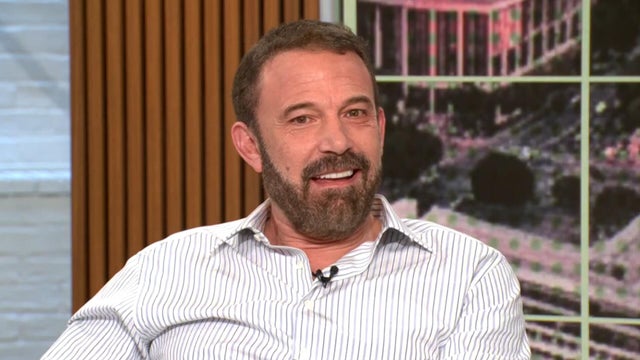
A new report by the American Cancer Society found rates of prostate cancer increased 3% a year from 2014 to 2021. The steepest increase was for advanced stage diagnoses. CBS News chief medical correspondent Dr. Jon LaPook explains the findings.

Sep 3, 2025 (03:13)

TRANSCRIPT FOR: “PROSTATE CANCER RATES ARE RISING AFTER YEARS OF DECLINE. HERE'S THE SYMPTOMS TO WATCH.”

NATE BURLESON:
00:00:00

In today's HealthWatch, prostate cancer rates are rising after years of decline. A new report by the American Cancer Society found rates of prostate cancer increased 3% a year from 2014 to 2021. The steepest increase was for advanced stage diagnoses. Our chief medical correspondent, Dr. Jon LaPook, is here. Good morning. Good morning. So why are we seeing this increase? What is going on? You know, a major reason is a change in the guidelines. So from about 2008 to 2018, because of fear of overdiagnosis and overtreatment, the guidelines changed. And people did a lot less screening. So a lot fewer diagnoses were made. Then in 2018, it changed more, shared decision making. You saw an uptick in PSA screening to look for prostate cancer. So you saw an increase in cases. Why you're seeing more of metastatic and advanced disease, it could be because the cases that were not diagnosed 10 years ago are now becoming more advanced. There may be some other factor. We spoke to one of the study authors yesterday. He wasn't quite sure about that. So what do people need to know about getting screened for this? Well, the first thing they need to know is, like, what's the big picture? So on the one hand, you have the second leading cancer killer in men. More than 30,000 guys a year die from it. On the other hand, about 80% of people who get prostate cancer die from some other cause. So is it a rabbit or is it a turtle? Is it slow growing or is it fast growing? And so there has been a lot of overdiagnosis and overtreatment. What you do now is there are two ways. One is the blood test, the PSA, prostate specific antigen, which looks for something in the blood. It can go up with just the prostate getting larger, benign hypertrophy, just getting bigger, or prostatitis inflammation, or cancer. So you have to try to distinguish between the two. You can also do a digital rectal exam looking for prostate nodule. It's not the most sensitive exam because it only looks at one part of the prostate. So you have these guidelines that are now out. And different societies have different guidelines. Basically, the American Cancer Society says start at about 50. Other ones say 55. Shared decision making, sit down and say-- But you could do it sooner though? Well, I mean, you could do it sooner if you-- so Black men, I just got off the phone with an expert on this said 45 because there's an increased incidence, increased mortality. If there's multiple family members that suggest a genetic etiology, a cause, maybe even earlier, maybe 40 or 45. But the whole idea is to have a shared decision making and understand that it's not one size fits all. I went in. And I have a tremendous peace of mind afterwards. Are there early signs for this? You know, in terms of early signs, it can grow for many, many years without you knowing it. It's sort of a silent disease. And that's one of the things that can go-- yeah, it's scary. But knowledge is power. So you know that it can happen. You know that as you get older, that's a risk factor. And so you have to make the decision, do you want to be more aggressive and screen for it? And there's lots of different treatments if you do happen to have cancer of the prostate. There's everything from just watching, active surveillance, all the way to taking the prostate out and everything in between. All right, doc. I appreciate you. Thank you, Dr. Jon LaPook.
Videos
View CBS News In
CBS News App Open
Chrome Safari Continue