Watch CBS News

Hegseth addresses Iran war

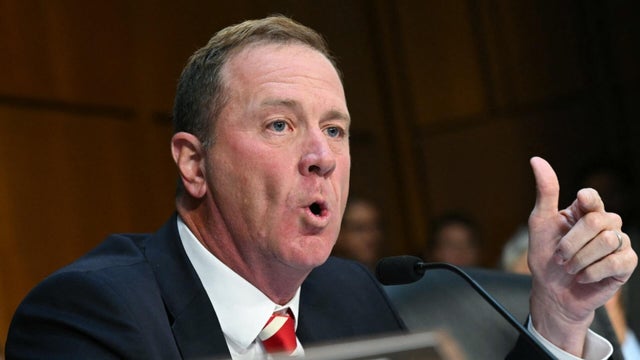
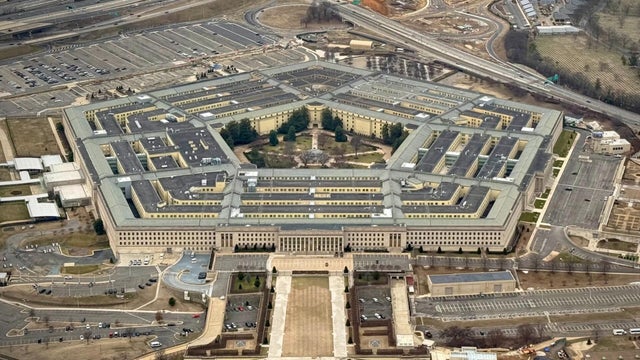
Defense Secretary Pete Hegseth and Chairman of the Joint Chiefs of Staff Gen. Dan Caine held a press conference Monday, addressing the war in Iran and confirming a fourth U.S. service member has died from their injuries. Charlie D'Agata and Sam Vinograd report.

Mar 2 (06:05)

TRANSCRIPT FOR: “PENTAGON ADDRESSES IRAN WAR AS 4 U.S. TROOPS KILLED”

VLADIMIR DUTHIERS:
00:00:35

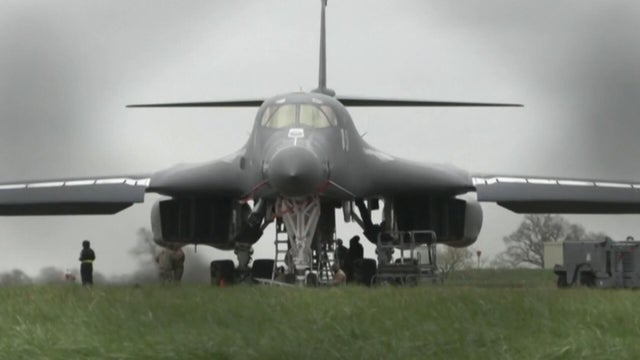
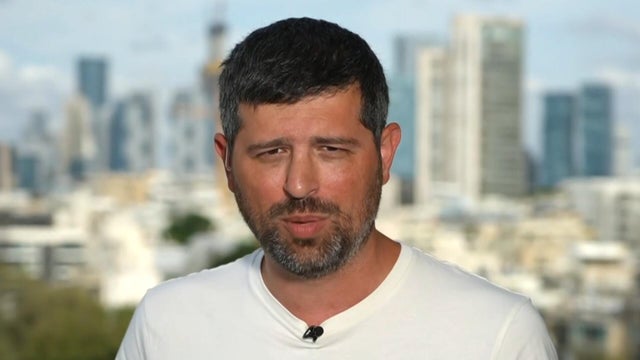
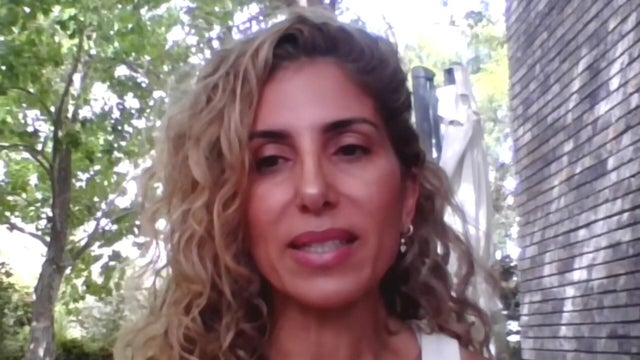
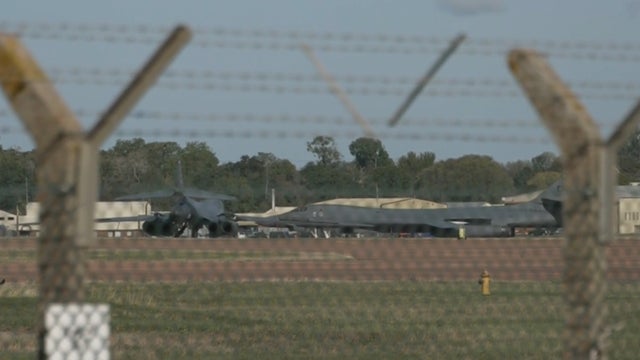
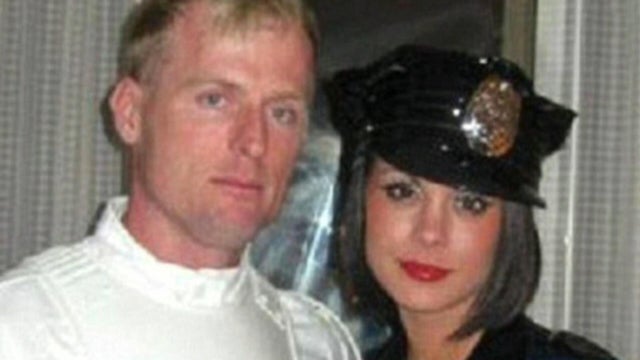
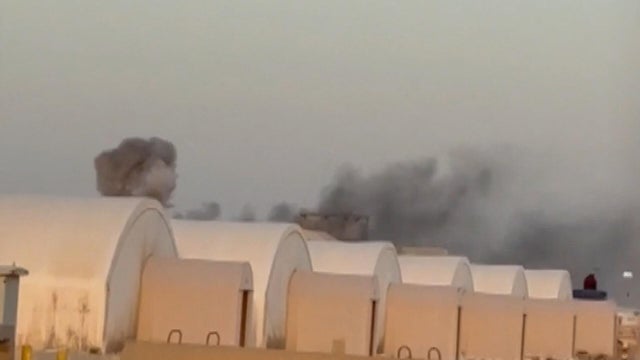
It comes as the US and Israel continue their bombing of Iran for a third day in a row. In the past few minutes, we got an update on the conflict from the Chairman of the Joint Chiefs of Staff-- that's General Dan Caine-- and Defense Secretary Pete Hegseth. Listen. President Trump puts America and Americans first. He doesn't hesitate, and neither do our troops. The mission of Operation Epic Fury is laser-focused-- destroy Iranian offensive missiles, destroy Iranian missile production, destroy their navy and other security infrastructure, and they will never have nuclear weapons. All right, Charlie D'Agata is in Tel Aviv with more. Charlie, good morning again. So one of the things that we heard from the Defense Secretary and General Caine are the objectives. The objectives, as stated by them-- destroy the Iranian missile threat, destroy their security apparatus, and importantly, destroy their navy. The question, of course, is, when we look at a timeline, what kind of transparency will there be for us, for you, for the world to know that those objectives have been achieved? Yeah, Vlad, it's a good question because General Caine kind of addressed that, saying that there needs to be a battle damage assessment. So this is an ongoing thing. He mentioned Admiral Bradley Cooper, who's the general in charge of Central Command, who's looking at the overall battlefield. And he made the point that this isn't just about attacking Iran's capabilities, which the argument there being that the United States has, for some time, been trying to make sure that Iran is not trying to develop a nuclear weapon. And the argument here is that the ballistic missiles, the conventional weapons that they're using, is masking and defending that nuclear weapons program. But if you want to start looking at the tea leaves, General Caine, Joint Chiefs of Staff, said this is not an overnight operation. He said expect to take more losses. We know that four US service members have been killed. There may be more because I know that several more were badly wounded in that attack in Kuwait. They gave some detail about the coordinated attacks with Israel. He mentioned H-Hour. That means not necessarily it had been predetermined, but once President Trump had made the decision to attack Iran, everything was in place to do that. So the first wave of attacks were cyber and SpaceCom, made sure that Iran was blind, didn't see it coming, and didn't have a way to react in that initial wave of attacks that we understand were Israeli and the United States. He was very specific that Tomahawk cruise missiles were used in that initial wave. He was also specific that long-range bombers, we can assume those were B-2, could have been B-1 bombers coming out of the United States. So this is a deliberate attack, the first wave, to try to take out as much as they could of Iran's defenses. All right. Charlie D'Agata reporting from Tel Aviv. We thank you. CBS News national security contributor Sam Vinograd is still with us. Good morning, Sam, again. They keep saying, listen, this is not an overnight operation. Expect more casualties. What comes next, in your opinion? Because there's still so many outstanding questions. There sure are. And we should expect more military operations on the ground in Iran targeting an additional range of targets. And that's going to involve, Gayle, for better or for worse, many US service members, many US military resources. And at the same time, we should also expect covert action to be underway to try to convince members of the regime to try to put down their arms and to work with the United States. And the Secretary of War, I do believe, and the Chairman of the Joint Chiefs of Staff are trying to condition the American people to the fact that we should expect additional fatalities and casualties, unfortunately. We should also expect Iranian retaliation against US bases, US diplomatic facilities in the region, in Europe, and here in the homeland, as well. Sam, you worked at the Department of Homeland Security. To that end, if the Iranian regime is in its death throes, what can we expect as far as sleeper cells? What can we expect as far as attacks directly on the American homeland?

SAM VINOGRAD:
00:04:38

Well, I do want to reassure our viewers that the US government has been working for 47 years to defend the homeland from Iranian-backed threats, so they're not starting from scratch. At the same time, the Iranian regime has effectively planted, recruited, and paid individuals here in the homeland to conduct acts of physical violence against government officials, against entities and individuals affiliated with the state of Israel, the Jewish community, Iranian dissidents, and more. An outstanding question is whether they'll turn to that, activating those proxies or surrogates, or they'll turn to another tactic which they have relied on heavily recently, which is cyber operations against networks, against individuals to embarrass them, to sway public perception-- Against our elections coming up in September? They've meddled in our elections before. They have used influence operations before to try to shift public perceptions and to sow discord, and of course have been involved in election interference, as I mentioned. But we should also be aware of their capability to launch disruptive cyber attacks. And that's why the US government posture has been about partnerships-- partnerships with foreign intelligence services to try to make sure we don't miss a threat, partnerships with businesses to build resilience to cyber intrusions, and partnerships with the public. All of our viewers need to know that they need to be on the lookout right now, not just for physical threats, but for efforts by Iranian-backed proxies and individuals to try to infiltrate their cyberspace. All right, Sam Vinograd, thank you so much.

Videos
View CBS News In
CBS News App Open
Chrome Safari Continue