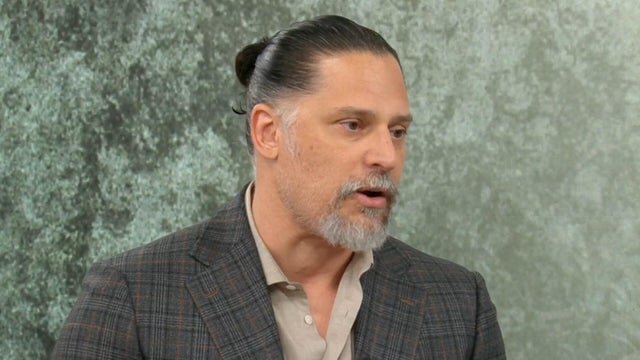
ALICIA DELLARIO:
00:00:28
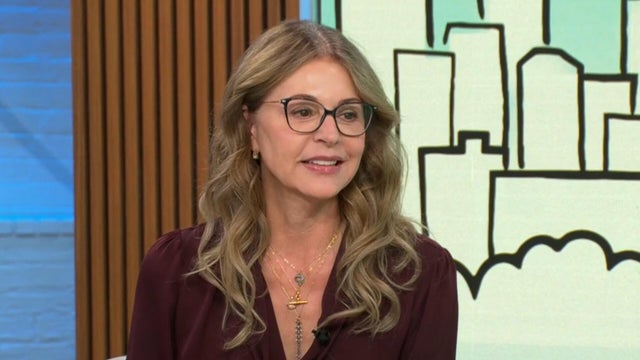
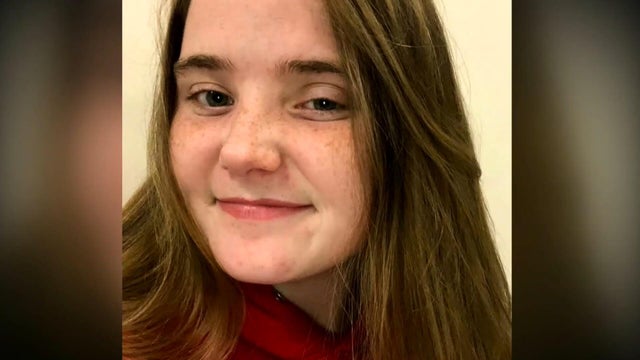
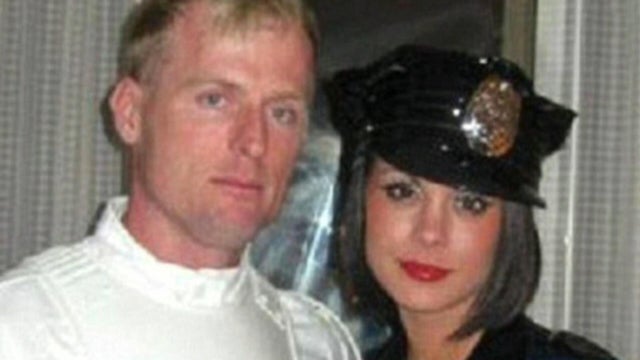
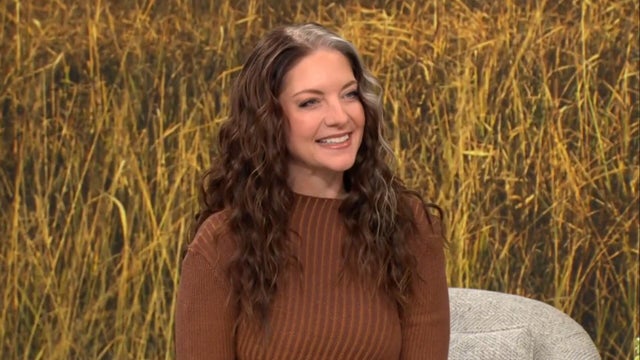
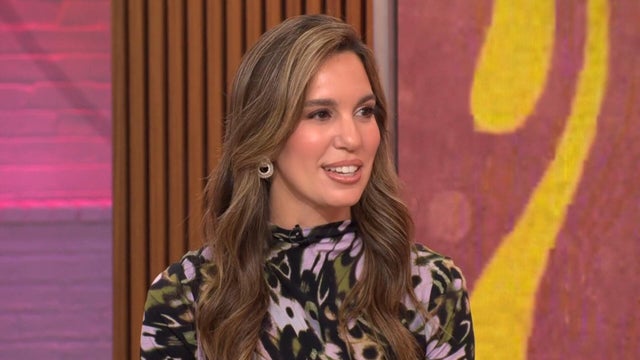
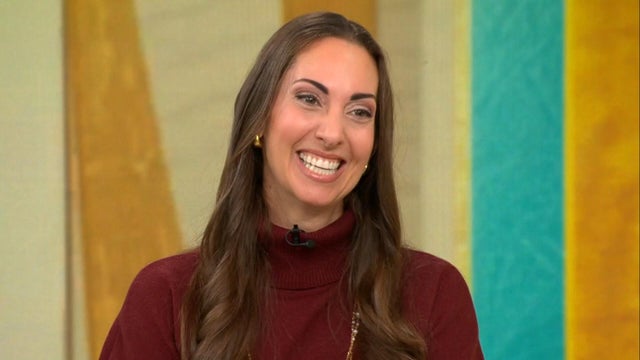
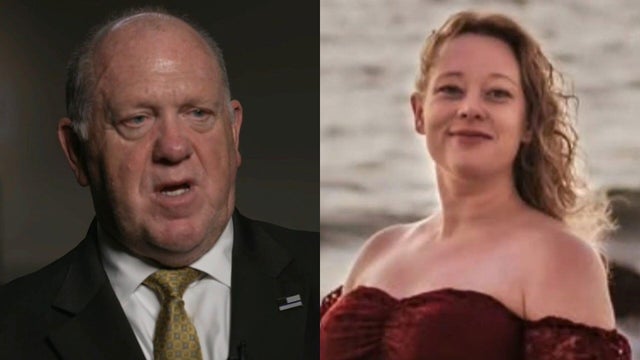
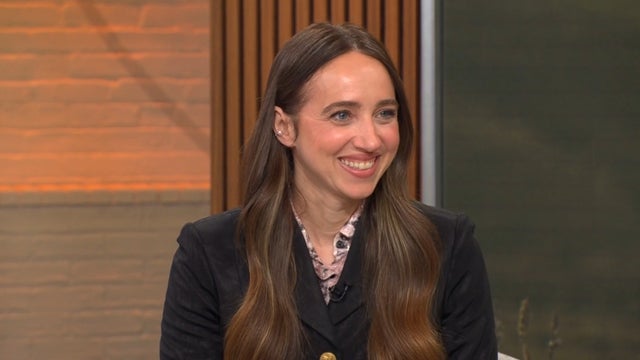
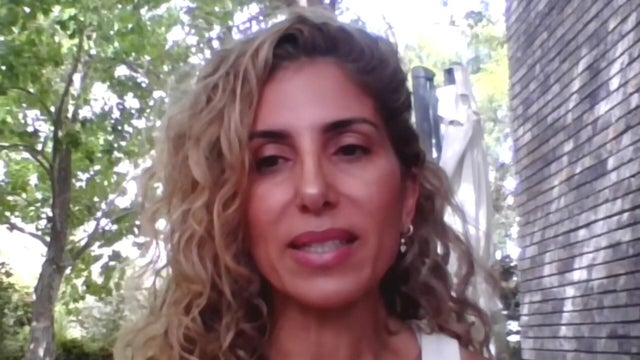
My name is Alicia Dellario. I am from Westchester, Pennsylvania. I was diagnosed with late-stage metastatic ovarian cancer in January of 2014. I received a phone call that I had large masses on my ovaries and needed to get to an oncologist immediately. That was the scariest phone call of my life. I had a major surgery and chemotherapy. Following that, I did have three recurrences. Anybody that has ever been in chemotherapy knows that it can be extremely difficult. It just takes away those things that you do every day to keep you normal. When I found out that there was a trial for me, I was over-the-moon excited. The greatest benefit for me was that there were more eyes on me during the trial than I ever had with standard of care approved chemotherapy. I was on the clinical trial for 4 and 1/2 years, and I had no sign of disease. So that was really huge and also just gave me a new lease on life. The experience can be very different for everybody, but for me, it was extremely positive. I truly lived my life. I exercised, worked, did family outings, just doing what I would do as normal Alicia.
VLADIMIR DUTHIERS:
00:01:58
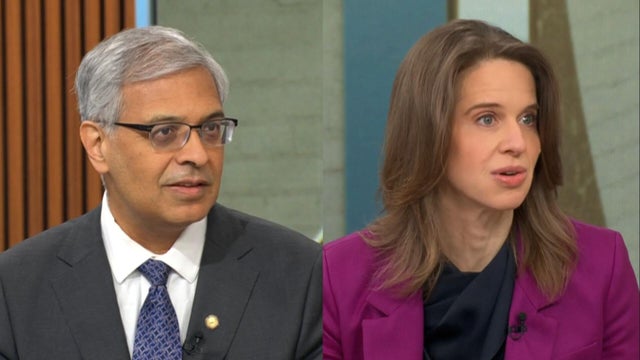
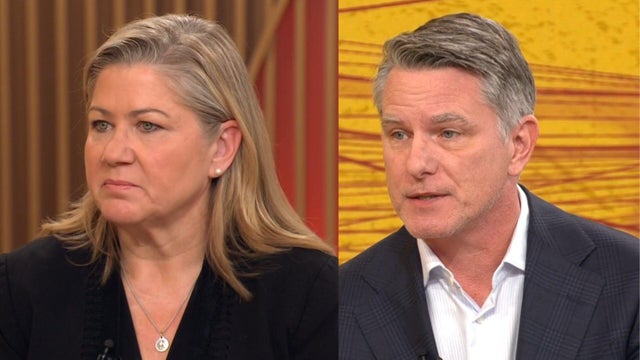
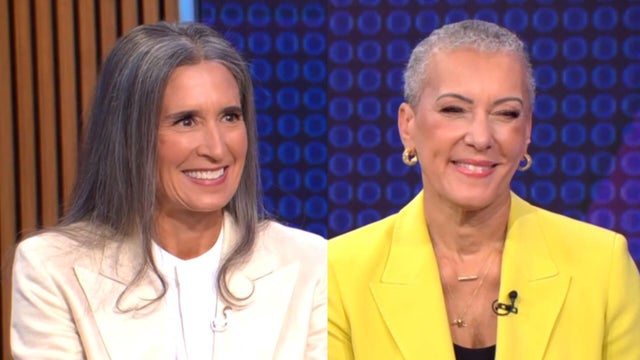
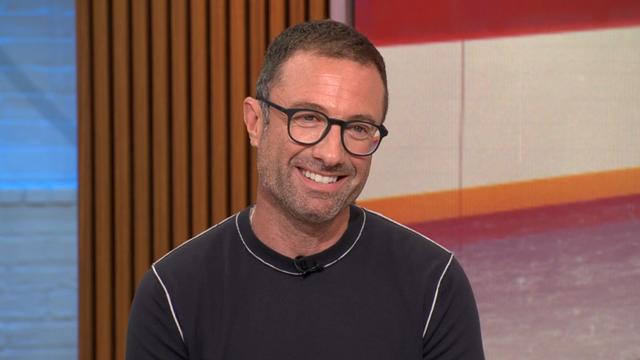
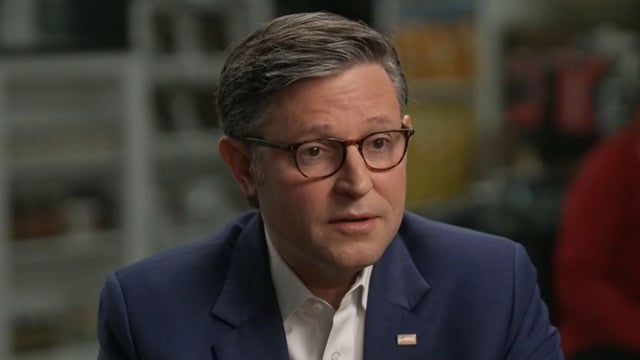
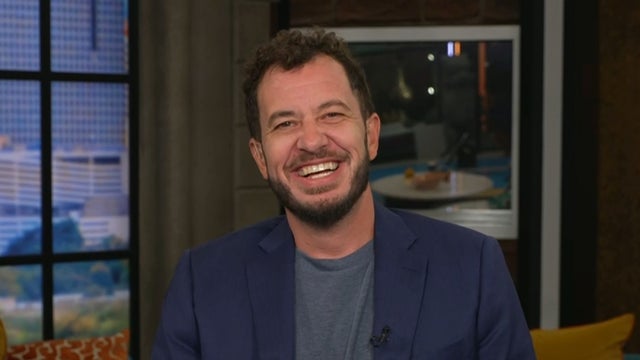
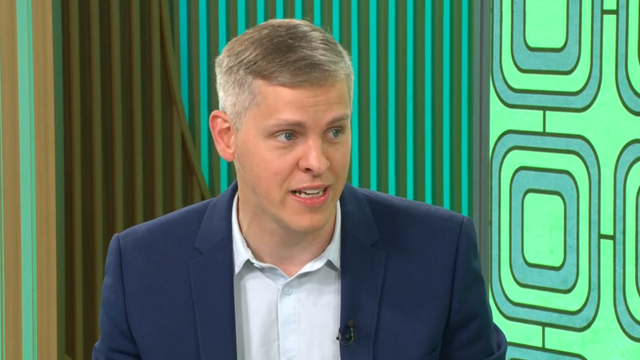
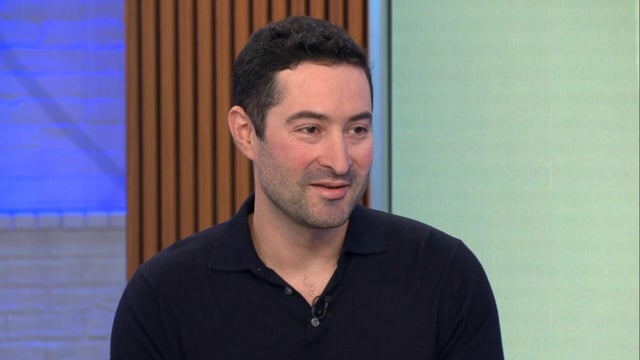
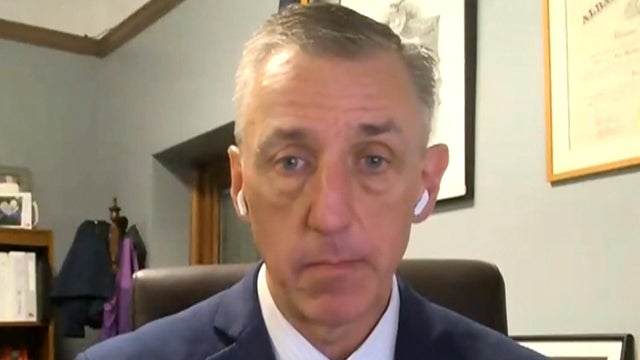
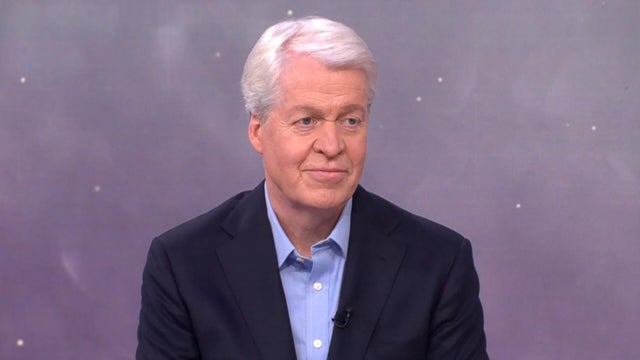
Alicia joins us now, along with Dr. Arjun Balar. He's the senior vice president of global clinical development at Eli Lilly and Company. Welcome to you both. Good to have you. Thank you. Thanks for having us. So, Alicia, thanks so much for sharing your story with us. It was incredibly moving and beautiful. Your trial ended in 2023. So how is your health today? I'm doing very well. As I said, I was in the trial for 4 and 1/2 years with no sign of a new disease. And then 15 months after the trial, same thing, but, ultimately, I did recur again. And in the winter, I was on-- this past winter, on standard-of-care chemo because there were no trials available for me. And then right now, I'm on maintenance treatments, and I'm doing great, no sign of new disease, and I feel wonderful. That is incredible. That is so wonderful to hear. So, Dr. Balar, what are some of the common misconceptions you want to clear up? When patients are diagnosed with cancer and are considering their treatment options, when that topic of clinical trials comes up, there are a few misconceptions. The obvious one is that patients are concerned that clinical trials are only reserved for the last resort at the end of their care. The reality is that some of the most cutting-edge, novel treatments, the result of science and technology progressing, are often most appropriate even in the earliest stages of the disease. The other misconception is that patients are concerned that they may receive a placebo. When clinical trials are used to evaluate medicines, the only scenario where placebo might be involved is in a phase III trial, where they might be adding a new treatment. So in all clinical trials in the United States, patients never receive anything less than the standard of care. Well, Doctor, Alicia said she appreciated the specialized care she received throughout her trial. But, of course, there are risks associated with clinical trials, so what do people need to know about those risks? Of course. So like any new treatment-- and I tell my patients previously that whether you're taking an aspirin a day or you're considering cancer treatment, every potential treatment has side effects potentially associated with it. So it's possible that when you participate in a clinical trial, you may not realize the benefits that we hope to observe, and there may be some side effects that we only observe in the course of running the clinical trial. But there are also potential benefits for participating in clinical trials as well. Number one, you have more eyes watching you, and then that means that you're getting your treatments right on time, your blood evaluations on time, your imaging and everything to keep you really on schedule. And those additional sort of benefits really help patients as they navigate their cancer journey. And, obviously, if the treatment proves to be successful, then, if you participated, then you had access to the novel, cutting-edge treatment much earlier than when we got that drug eventually approved. Alicia, what advice would you give to patients and their families who are exploring different treatment options? I would suggest to be open minded and talk to your doctor, as Doctor Balar said, as early as possible. I wish that there had been a trial at diagnosis for me. So I had been asking all along for a trial because, again, the newest technology is really-- a lot of it is targeted therapy for your particular cancer, which is what I was hoping for. So I do do a lot of one-on-one consulting with patients because of the fear of old myths around trials. And just talk to your doctor. Talk to your family. Get all the questions that you may want to ask, and then make that decision with a lot of information. We're so happy that you're OK. Alicia, Dr. Balar, we appreciate you. For more information about cancer clinical trials, you can visit cancerclinicaltrials.lilly.com.