ERROL BARNETT:
00:00:00
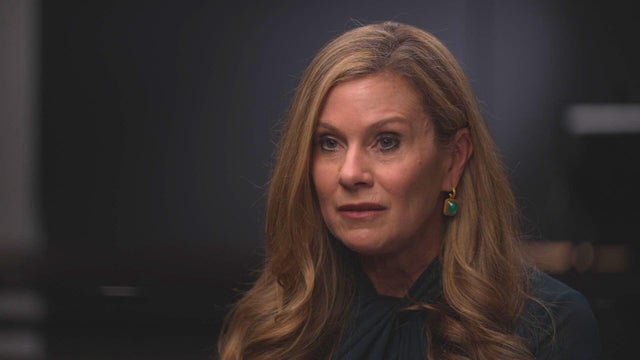
And let's take a look at the reaction. You see it on the floor there. The stock market this morning is trying to make some gains. Investors reacting, of course, to the US capture of Venezuelan President Nicolás Maduro and his wife. President Trump says the White House will run Venezuela, which could impact the oil trade since Venezuela possesses the world's largest proven crude oil reserves. So what does this all mean? Well, Erin Delmore is here with us. She's a financial journalist and has been looking into some of this data to give us the scoop. Erin, good morning. Great to have you with us this Monday. Good morning, Errol. So President Trump says US companies will fix Venezuela's badly managed oil system, but that's easier said than done. So as we look at markets today, what is the short-term impact of what's happened over the weekend? Let's look at what we know about Venezuela's oil reserves first. You said in your introduction that the country sits atop the world's greatest oil reserves anywhere, but production is actually pretty low. Venezuela only makes about 1% of the world's oil. Now, it's a far cry from where the country was back in the 1970s. I mean, if you look at output, the country produces around a million barrels a day right now, but it was around 400 billion back in the 1970s. So we've seen production fall during Maduro's 12-year term. Now, it just tells you a bit about the country itself and what potentially could come from, say, more investment and more infrastructure buildouts there. It's why we're seeing some shares of companies pop. Chevron's a really good example. It's the only major US energy company that actually operates in Venezuela right now. We're seeing some other companies up right now. Exxon is doing pretty well this morning at the opening bell. Doesn't have a presence in Venezuela but could if, as President Trump says, other companies come and invest there. Also some downstream suppliers, places that help with something like an oil buildout, they're doing pretty well this morning too. But, Errol, any changes we talk about could take decades to come into force. We're talking about infrastructure. We're talking about building. We're talking about new machineries and workforces, the kinds of things that don't pop overnight. And perhaps that's why we're not seeing such a huge jump in the markets today overall in oil. OPEC has decided to keep production at stagnant levels. And again, with Venezuela only making around 1% of the world's supply, well, it's a big headline story today, but it's not sending a shock through the system right now. Well, I appreciate you kind of giving a kind of nonemotional fact check on what's happening on the oil front because while they may have crude-oil reserves, it needs to be refined. It needs to be taken out of the ground. And because of the corruption in Venezuela, the best and the brightest aren't the ones who have been elevated through government. It's those who have been kind of subservient to the government. So it would take time to even fix up the infrastructure system in Venezuela. And the country is in a debt crisis. It's not like it's a very healthy economy that can just absorb all of this new impact. So what would be your prediction, then, on when we might start to see fluctuations in oil prices as a result of what's just happened? A lot of it depends on what President Trump's next moves are. Now, certainly, this is something of a wait-and-see policy. It's very much how President Trump has been operating, not just in Venezuela but around the world. So we don't quite know what to expect yet, but a lot of times we can look at market reaction, even right now, right after the opening bell, to see how investors are feeling about what's going on. When they're quite jittery, we see something called a flight to safety, and that's when people start investing more in things like gold and silver, things that are called safe-haven assets, even in the US dollar. What we're seeing today, yes, gold is rising. It's above $4,400 an ounce. We're seeing silver on the rise as well, but we're not seeing much of a change in Treasury yields. That's the kind of blip that we would see if investors were truly jittered at this moment. Well, Erin, I really appreciate having you here on a moment like this today to keep us calm, and we'll stay plugged in with you in the weeks ahead. Thanks, Errol. Erin Delmore, thanks for being here.