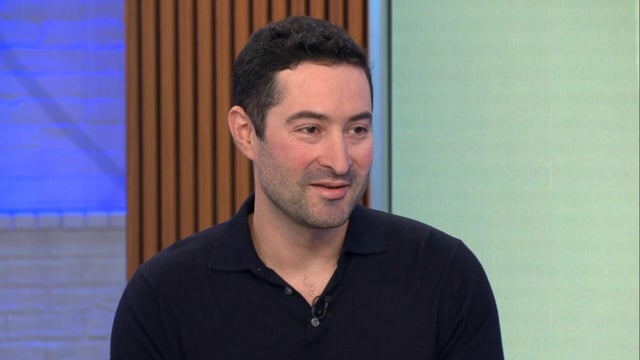
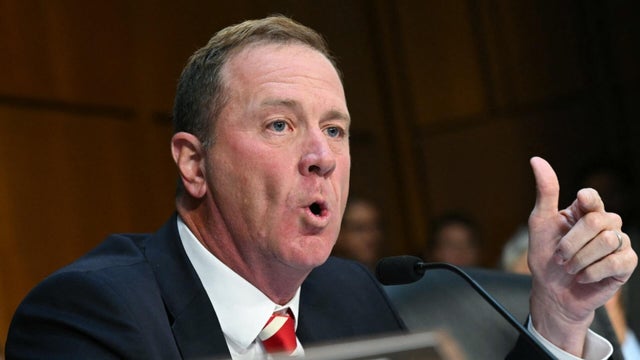
ED O'KEEFE:
00:00:42
President Trump isn't talking about this violent assault on the Capitol on January 6 but what happened to some of his supporters afterwards, including those convicted of assaulting police officers like Daniel Hodges, pinned in a door, screaming in pain. There's no reason that the government should be giving these people money.
ED O'KEEFE:
00:01:03
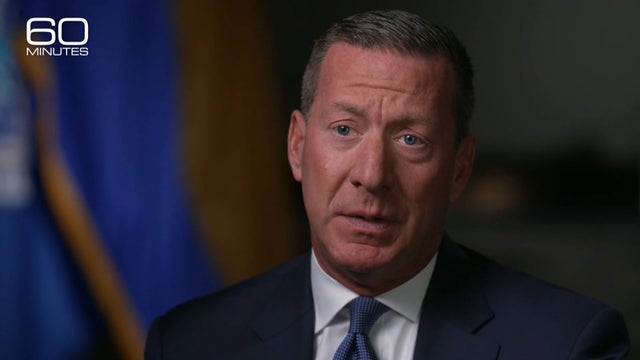
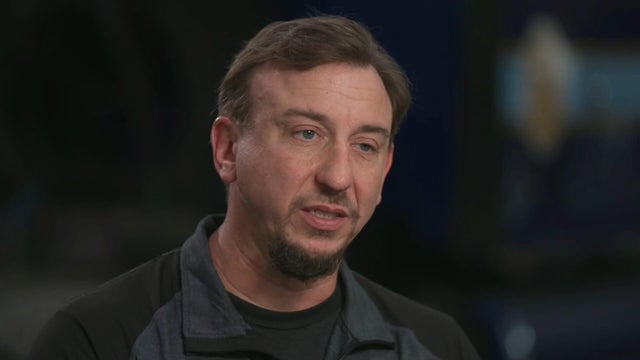
Hodges and Harry Dunn, two of more than a hundred officers injured that day, now are suing to block taxpayer-funded payouts for people convicted of attacking police. It's just that they committed crimes, and they recorded themselves doing these crimes. So then they faced the consequences, right up until Trump pardoned them.
ED O'KEEFE:
00:01:20
But the president defended the nearly $1.8-billion fund to pay people who allege they were victims of government weaponization, like former Proud Boys leader Enrique Tarrio, convicted of seditious conspiracy in connection with the January 6 riot. He told Reuters, "I'm not greedy" but thinks he could get $2 to $5 million from the fund. People were destroyed. They went to jail. Their families were ruined.


ED O'KEEFE:
00:01:43
What critics call a slush fund is part of the president's settlement with the Justice Department and his $10-billion lawsuit against the IRS over his leaked tax returns. Republican Senator Bill Cassidy, who lost a primary last weekend after failing to win Trump's endorsement, warned the new fund will allow "the President and his allies to pay whomever they wish with no legal precedent or accountability." These people, they should not be rewarded by the government for their attempt to overthrow the government. But legal experts say the police officers are unlikely to succeed in blocking the fund in court because their claim may not meet the legal threshold for bringing a lawsuit. CBS News has reached out to the Justice Department for comment on the lawsuit and has yet to hear back. Nate.