NICOLE SGANGA:
00:00:20
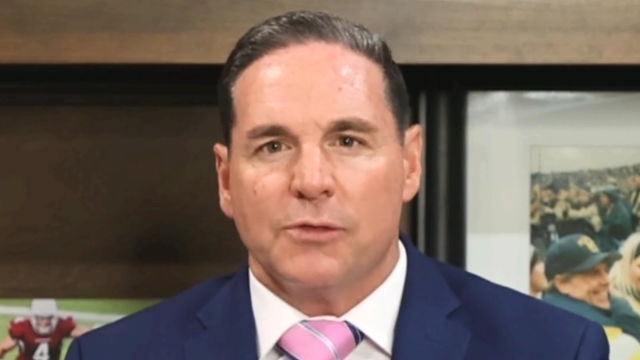
Brad Korb spent 30 years as an engineer for Boeing and never thought much about healthcare insurance. But when he retired in 2020, tax credits helped him afford a plan in the marketplace. Overnight, those credits expired. We considered, should I just not even have health insurance?
NICOLE SGANGA:
00:00:38
Korb's policy will now triple from roughly $300 per month to nearly $1,000. He's 1 of roughly 22 million Americans who will see significant spikes in their out-of-pocket healthcare costs. My wife and I had a big discussion about, where are we going to get this money from? You have to tap into your retirement savings now in order to cover your healthcare costs? Absolutely. That's the only way to make it happen.
NICOLE SGANGA:
00:01:03
Last fall, a fight in Congress over the extension of Affordable Care Act credits led to a 43-day government shutdown. Lawmakers were unable to come up with an agreement before winter break. Their holiday gift to the American people is to continue to try to block our ability to extend the Affordable Care Act tax credits.
NICOLE SGANGA:
00:01:24
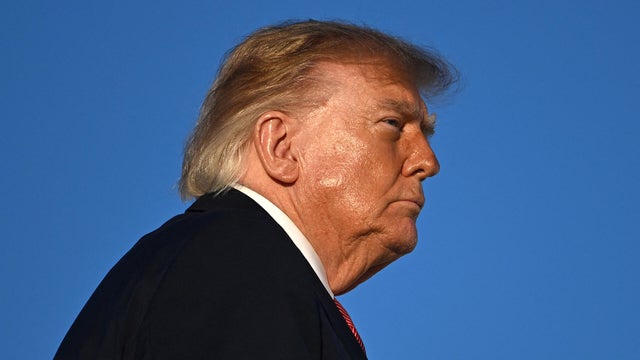
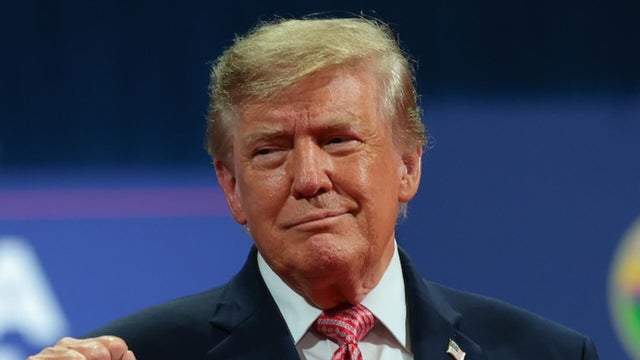
President Trump supports granting federal money to individuals, not the insurance companies, but the White House has yet to release a plan. I want that money to go to the people directly, and let the people buy their own health care.
NICOLE SGANGA:
00:01:37
But for enrollees like Korb, health insurance coverage feels like an impossible choice. I hope that Congress will decide that helping the average American is important, and right now, I don't feel like that's the case. And a House vote to counter those increased costs is expected later this month, but the outcome remains uncertain. Until then, millions of Americans are beginning 2026 the way they ended 2025, waiting and worrying. Jericka. Nicole Sganga in Washington, thank you.