NATE BURLESON:
00:00:01
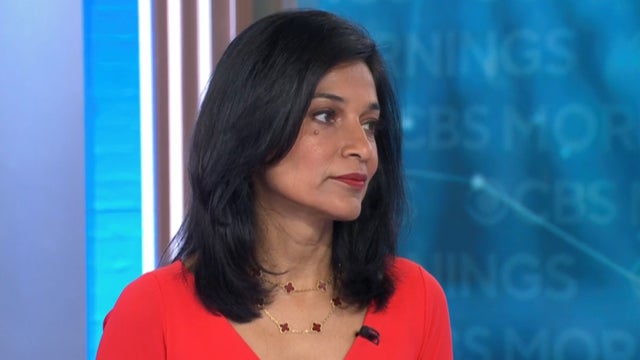
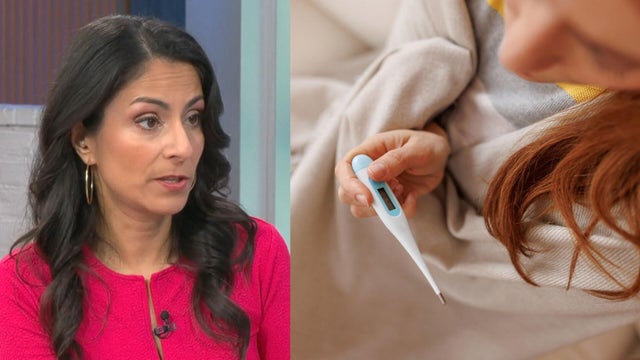
In today's HealthWatch, measles cases are continuing to climb in the US. The CDC reports 171 new cases so far this year across nine states. In South Carolina, measles is spreading rapidly. Health officials confirmed 124 new cases since last Friday, bringing the statewide total to 434. This comes after the worst year for measles in the US since 1991. CBS News Medical Contributor Dr. Céline Gounder is editor-at-large for public health at KFF Health News. Good morning. Good morning. All right, so from a public health standpoint, how serious is this? It ain't good. Measles is one of the most contagious infections known to man, which is why we need to have such high vaccination rates. Over 95% of kids need to be vaccinated to prevent an outbreak. So just to put this into context, if you compare it to influenza, measles is way more infectious than influenza. So influenza, one case-- like if I have influenza, I might infect one or two other people. If I had the measles, I could infect 12 to 18 other people. So it's way more contagious. And what people don't realize is that initial infection with measles may not be that severe, but it wipes out the kid's immune system, immune memory, and it can take a couple of years to build back. So it leaves the infant or the child susceptible to infections like pneumonia, diarrheal illness, and so on, and that's actually half of the deaths related to measles. Several of the cases, though, we're hearing in South Carolina were with people that were fully vaccinated. How worried should we be about that, and do you think that it protects you from getting the severe disease of measles, even when you're fully vaccinated? That was very scary to people. Yeah, so two doses of measles vaccine gets you to 97% vaccine effectiveness, but that means there's still that 3%. So there are some breakthrough cases. It's an extremely good vaccine. There was an outbreak in the Netherlands about a decade ago, and what we saw where people had a breakthrough infection, that tiny, rare percent, those people still had a 90% lower risk of complications or risk of hospitalization if they had gotten the two doses. So you call it breakthrough. It's sort of an anomaly then if you're fully vaccinated and-- Yeah. --you still get it? So what are the signs and symptoms of measles? All I remember as a kid, it's red bumps. Yeah, so it's that reddish rash. You can also have runny eyes, runny nose, cough. So any of those symptoms, but the rash is the most typical symptom that helps us spot measles. So here's what's incredibly disturbing and remarkable. The US is at risk of losing its measles elimination status. So what's the significance of that, and what's at stake if this country loses that status? So elimination, it doesn't mean zero cases. It means that you don't have continuous transmission. So the cases you're getting are from importations from overseas, essentially. So if we have 12 months of transmission, continuous transmission in the US, we lose our elimination status. That means our risk of outbreaks is much, much higher. It means we may need to also have an extra dose of measles vaccine at the age of six months for infants. That's actually what you do in developing countries where they do have measles commonly. We may need to change our recommendations on that basis. And then travelers to the US may need to approach the US just like they do foreign travel elsewhere and get a booster dose of measles vaccine. Some of the recommendations have been confusing from health officials about getting vaccines or not. You're very clear. Get the vaccine. Get the vaccine. All right, Dr. Céline Gounder, thank you so much.