Watch CBS News

Do AI smart glasses privacy protections work?

As tech companies like Meta push their AI wearables, many are concerned with privacy protections. Anna Schechter has more.
Aug 21 (04:32)

TRANSCRIPT FOR: “LOOKING INTO THE PRIVACY SAFEGUARD FEATURES OF AI SMART GLASSES”

MAN:
00:00:49

Excuse me. Are you waiting on your boyfriend to come sit with you?

ANNA SCHECTER:
00:00:53

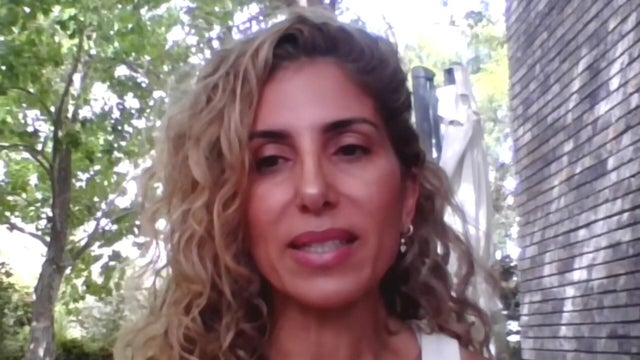
It's videos like this getting pickup online, recorded covertly using body-worn tech like Meta AI glasses without the subject knowing. Then my friends were sending it to me, and then people that I haven't spoken to in years were sending it to me saying, is this you? People also thought-- This video went viral. It went viral. Across all platforms, probably over 200,000 views. That's a lot of people. Yeah. When you had no say in this. I had no say in it. Toluwa Omitowoju was the unsuspecting woman in that social-media post, which has since been taken down.

TOLUWA OMITOWOJU:
00:01:28

And I've had other women reach out to me. It was a lot worse. It was to the point where they don't even know who filmed them, and yet it's being posted online under a burner account.

ANNA SCHECTER:
00:01:38

To prevent situations like those, Instagram head Adam Mosseri made this announcement last month. If you're posting content that is taking advantage of people and harassing them, take the content down. We don't want people to be surreptitiously taking videos of other people.


ANNA SCHECTER:
00:01:55

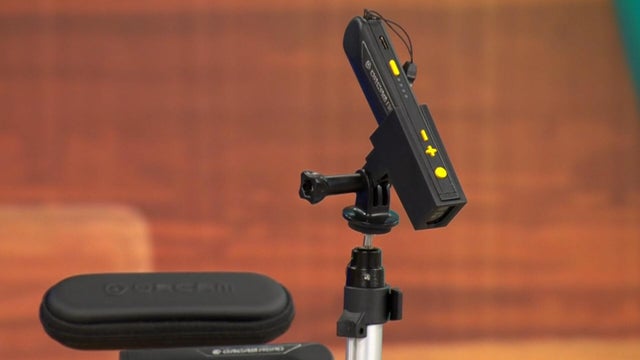
Beyond policing content, Meta tells CBS News its AI glasses have built-in privacy and safety features, including a telltale LED light that turns on when the glasses are recording, plus software that shuts the camera off if anyone tries to disable or cover the light. So we put it to the test. You see that LED light is on. I'm recording. And I'm using this little piece of black gaffer tape to cover. I'm doing just a good job really covering that light. And I'm putting them on, and I am still recording, and the video has not stopped. Another privacy complication is that most states only require the consent of one person to record an interaction, which means only the person recording has to know. Omitowoju says wearable devices exacerbate the issue. If someone sees a phone in front of their face, they have the opportunity to step away, to approach someone and say, hey, I don't want you to record. With these smart glasses and these smart technology, you're taking away the right of refusal. Well, we reached out to Meta after we did that real-time test of the safety feature, and they reiterated that the Meta glasses have tamper detection, saying, quote, "If the glasses detect that the capture LED is covered or obstructed, they will disable capture and prompt the wearer to clear the obstruction." They also added they continue to work to improve this technology. They've got a lot of work to do. But, guys, look, I am actually wearing these glasses. I'm going to get my hair out of the way. And we are live on Instagram right now. So I think in the control room we can pull up-- there's a little delay, but you're going to see my POV. So I'm recording, and it's going right to my Instagram.

GAYLE KING:
00:03:37

But I can't tell you're recording.

VLADIMIR DUTHIERS:
00:03:38

I can't tell you're recording because you've got the gaffer tape on. Exactly. I just kept it on, and so I can start recording. And there's no issue, even though I've covered that LED light. So they say that they are continuing to refine these safety features, but clearly the most basic one, the one that identifies whether or not you're being recorded, it's not working the way that they say it should work.

ANNA SCHECTER:
00:03:57

That's right. It's tough, though, because, I mean, we've done stories with these in the past. It's been incredibly helpful for people who are visually impaired to be able to get around. So they say they're improving the technology. This is tough. I wouldn't want to be recorded and not know. And not know it. Exactly. Well, and that's the thing. And it seems as if a lot of people are using this for social-media purposes, to catch people in situations where they don't want to be captured. When you hold a phone up to somebody, they know that you're recording them. When you're wearing these, it's a problem. Like you said, Meta has some work to do.

KELLY O'GRADY:
00:04:28

Anna, thank you so much. This was really interesting.

Videos
View CBS News In
CBS News App Open
Chrome Safari Continue