NATE BURLESON:
00:00:00
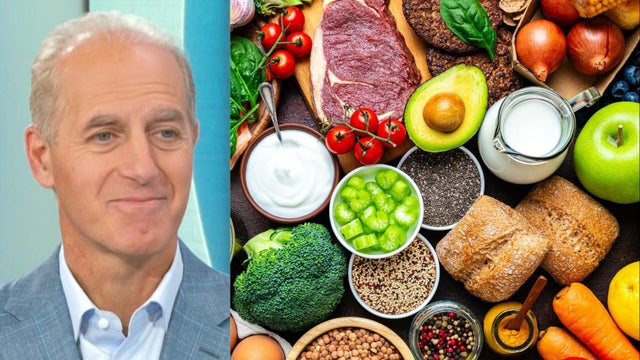
Now to today's Health Watch. We have new data on kids and their caffeine consumption. And I know that sentence, it sounds crazy to you. Well, new CDC report, it found that nearly 2/3 of American kids, ages 2 to 19, have caffeine in their diet. On average, it found kids had 19.4 milligrams of caffeine on a given day. That's about 2/3 of what's in a can of Coca-Cola. Joining us now, CBS News medical correspondent Dr. Celine Gounder. She is also editor at large for Public Health at KFF Health News. Good morning. Good morning. All right, so what are some of the main sources that kids are getting their caffeine from? So things like cookies and cake were actually the number one source.

NATE BURLESON:
00:00:39
What? So its the chocolate that has the caffeine. So it wasn't even caffeinated beverages like soda. It's the desserts.
BROADCASTER:
00:00:47
And what is the impact on kids' health? I mean, and how much is too much? Right. So the main thing we know is about sleep. And the best study we have of this was looking at kids 13 to 15-years-old, were they getting less than six hours of sleep or not? And those who are getting at the low end of caffeine, only 3% were having less than six hours of sleep. Those who are getting at the high end of caffeine, that shot up to 24% who were not getting enough sleep. And some of this also depends on timing, if they're having the caffeine in the evening. So it's not just you don't want to have coffee in the evening, if you're a kid, you may not want to have that cake and cookies in the evening either. So what should parents be doing? How do they manage this? Well, the problem is we don't actually know what is a safe level of caffeine in kids. We don't know what is too much. You have the AAP, the American Academy of Pediatrics, that says no caffeine. But that's because we don't know. There's no requirement to label everything with caffeine. And labeling would not be a ban, by the way. So one of the things parents can be asking for of the food companies is, hey, label this stuff so I know how much caffeine is in the food. Asking NIH for research on this. And maybe think twice about giving melatonin in the evening to your kid. Oh. Right. Instead, maybe it's don't give them cookies and chocolate and so on in the evening.
NATE BURLESON:
00:02:08
Yeah, I just learned a lot, because we're a sweet tooth family. After dinner, my daughter always says, you want chocolate chip cookies? And we all raise our hand and we make cookies. And she's up all night long. There you go. So this just blew my mind. Yeah. Thank you so much, Dr. Gounder.
VLAD DUTHIERS:
00:02:21
Dr. Gounder, always great to have you. Thank you very much.