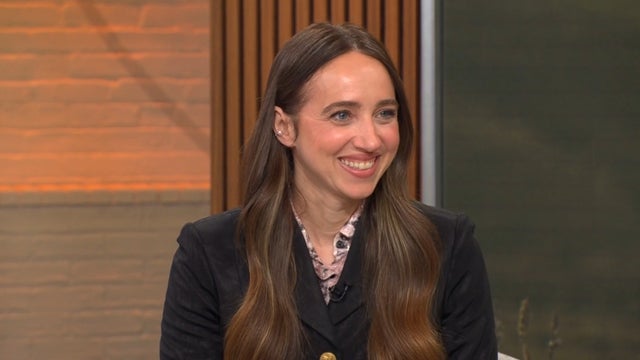
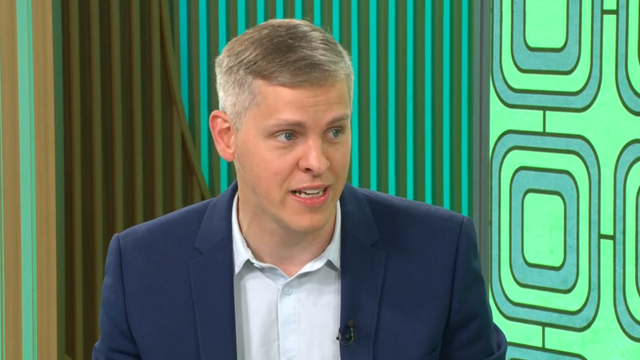
KELLY O'GRADY:
00:00:53
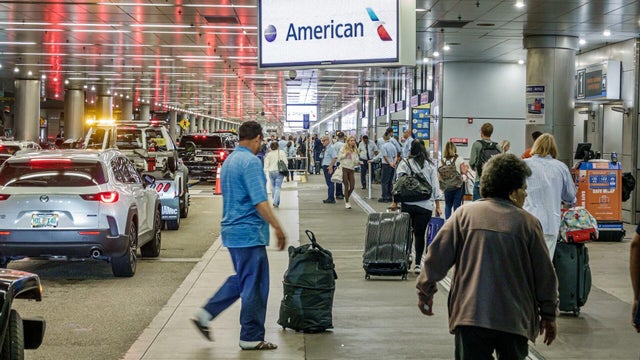
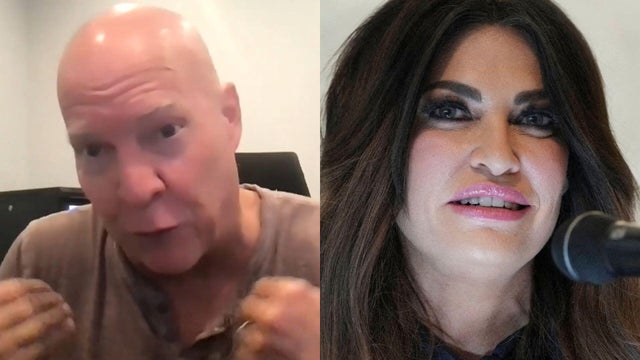
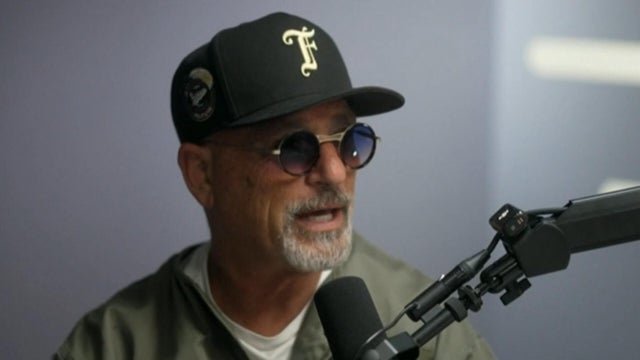
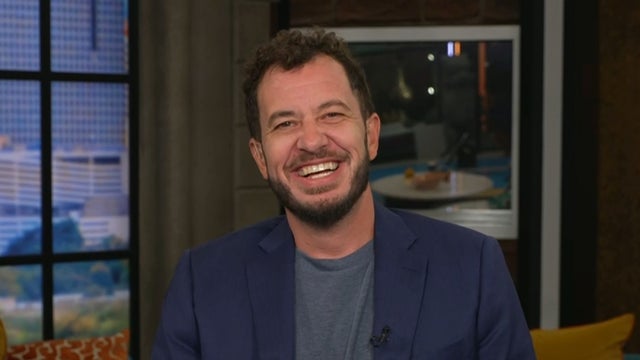
Then why write it? Well, the truth of the matter is, I have a big ego when it comes to books. So when this was pitched to me, the idea of seeing my book, like, in an airport, walking by, I was like, that's really cool. And I also had a ghostwriter when we started. So that combo, I didn't think it would take a ton of time. The ghostwriter spent six to eight months writing it. I read the first paragraph, and I was like, this is terrible-- not terrible, but it wasn't my voice. It wasn't me. And people know me. So then I had to do it. And it took me, I don't know, six to eight months every day. If I knew what went into it, I probably wouldn't have written it in the first place. But I got myself sort of in the mess of agreeing to do it, commitment. So yeah, that's what ended up to the book. Future Dave's problem became present Dave's problem. Which happens a lot. Oh, believe me. If somebody was in my house when I was writing it, they would probably be like, he's really upset with himself right now. It was a grind, the entire thing. I'm super happy it's over, and I'm glad I did it. But I would never do it again. Yeah. Well, personally, reading it-- I've followed your career for a very long time. I am a Massachusetts girl. It definitely felt like your voice. I found myself laughing aloud a bunch of times. It felt like who I see on social media. Let's talk about the beginning of the book, the launch of Barstool. It wasn't great for a number of reasons that you go into in the book. But I loved the part where you talked about your now ex-wife, Renee. And one of the very first things that she said to you-- and I'm going to quote here. It says, "Good luck, but I don't think that this is going to work." How did you find the motivation to keep going after all of these things were going wrong, and she says that to you? Yeah. So when she said that to me, she was far from my wife or girlfriend. So I was like, who is this girl to talk to me like that? First of all-- I mean, I didn't care about it. I didn't put any stock in it. I had a sales job for five, six years before I started. And by the end of it, I despised it. I really didn't like waking up. I didn't like working for somebody else. I didn't like any of it. So the thought of trying to do my own thing is what motivated me in the early years. Like, I didn't care if I was working 24 hours a day, seven days a week. It was better than doing what I was doing, which was cold calling through Yellow Pages, basically, that type of stuff. So that's what motivated me. I wanted to work for myself, and I didn't care how long, how hard. And there was something always in me-- and it could have been wrong, because this is the only thing I did, and it worked. But every day, I felt like we were making tiny steps. They may be one reader one day, and we went two the next, then to three, then to four. I'd get an email, then the next day, two. So in my heart, I'm like, it's still slowly going. And I was just motivated to do something I enjoyed. And I mean, when you're working all those hours, if it's for a company versus yourself-- and, in this case, this was very much building something that you were excited about-- I think that also changes the game a little bit. 100%. And I think that resonates probably with all entrepreneurs, that you're willing to take those risks and do those things. And it's something that, as we got bigger, I kind of had to adjust to and basically learn, that as I'm hiring people, they don't all have that same love of the company or family vibe. Because we really did, as we grew, slowly-- everybody felt connected to it and part of Barstool and really motivated to make it work. And then when you get big, not everybody feels that way. One of the things-- I think it was in the very first issue and sort of the tagline of the company, if you will-- is it's written by the common man for the common man. And I can attest, as someone who grew up in Boston, you say this moment-- or in the book, it's, oh, all these sportswriters, it seemed like they were taking pleasure when the Patriots or the Red Sox wouldn't do well. And I can hear my dad echoing that sentiment, true and true. But you are not the common man anymore. You are famous. You are wealthy. You have hotties, as you say, sliding into your DMs, at one point in the book. How do you square the mission of Barstool-- that still is today-- with the fact that you're not that person? Yeah. I think you just got to be honest and authentic to the readers. Like, I'm a horse-racing fan. I love horse racing. So I used to bet on horses. Now I own horses because I can afford them. But I'm still doing things I probably would have done, but I just have the means to afford it. But I've been very frank and straightforward with it the entire time. And I think a lot of our fans root for me. Like, they saw me-- there's people I'll still, in the street, with Boston-- I used to hand the papers out. I would literally be in front of the Boston Garden, yelling verse-- like, you see the other people handing out newspapers to get people to take it. And then 10, 15 years later, I'll see these people in the street. They'll be like, you handed me a newspaper outside the Boston Garden. There's something about that that makes people root for you. And they're not jealous or mad or upset when you become successful. It's sort of the American dream. Not everybody, of course. Some people will be like, oh, you're nothing like you have-- I said I wanted my book in the airport. To be honest, I haven't been in a public airport in a long time. So I do have those things going, but I don't hide it. It's my life. I've been very lucky with Barstool. It's just being honest with everybody. I think that's a fair point, that when you're outside your mansion and you're doing Tea by the Sea-- by the way, one of my favorite segments of yours-- it's not a, oh, I'm the everyman, but you're still talking about the same things that we're all talking about. I want to ask you a little bit about Call Her Daddy. There's a whole chapter in there. One of your management ideas that I got from the book is basically, hire great talent, hire them, and then just let them run wild. And Call Her Daddyis a really great example of that. You hired them. They did the podcast. They launched on Barstool and became one of the most successful podcasts in the world. But it kind of felt like you are ultimately building a company that then creates brands that want to do what you do. And then there's that friction. How do you deal with that? Is that just more hey, it's a metric of success because Barstool is able to create these wonderful artists and talents? Yeah. So when we first sold to the Chernin group, or even when we moved to New York, I used an analogy, I want to be the new SNL--not TV, but I wanted young comedians, talent, to apply to Barstool, and then, hopefully, they become superstars. And some of them may leave, whether it's Eddie Murray, Will Ferrell, whoever become big. So for me, how I judge it-- and it's sort of a band label too. Like, you get bigger. As long-- we sign these people-- athletes as well, similar analogy. I want you to fulfill your contract. So we sign you for a contract. And the hope is that you explode and get big. And we monetize you during that time. And then at the end of that contract, we can either re-sign you if we can afford you, pay you, you want to stay. Or you can go to great success. If you leave and become super successful, that hopefully is a great story for us to attract the next Alice Cooper, or Call Her Daddy, or Pat McAfee. It's like, look at these people. They came in, they became stars, and now they're making tens of millions. If they stay with us, great. Like, Dan, Big Cat, PFT, Pardon My Take, they've been with us forever. So it's the combo. And a lot of people, most people, do want to stay. But a lot of times, we just can't afford it. And in that regard, it is a win for both. I won't be jealous or upset if you leave-- and I guess it's, in my eyes, the right way, which is like, you fulfill your contract. You work hard. And then if you go get the bag, I'm happy for you. Switching gears a little bit-- obviously, you said at the beginning, a lot of people hate you. A lot of people are frustrated with you. But one of the things that you're most proud of is the Barstool Fund. And you have helped hundreds of businesses. Millions of dollars has been donated. And I felt like people got to see a little bit less of the combat Dave and more of the empathy Dave. How has that experience sort of changed how you think about your power and place in the world? So the Barstool Fund definitely is probably the proudest moment I've had through Barstool, that we're in a position to help. And we raised, I think, in the end, like, $50 million for over 400 businesses, paid their bills throughout COVID to make sure they were staying in business. And a lot of those businesses actually repaid the loan once they had it so we could pay more, which I loved. A lot of times, I'm in the news for being combative or what people don't like. But we have always had a history of doing that. It's just maybe people didn't know. Like, the Boston Marathon bombing, for example, we raised a quarter million dollars for a guy who lost his leg to get a house. We've raised tons of money for dogs and charities throughout. The Barstool Fund was certainly the biggest. I've always thought, when something strikes, or you can help, or there's a moment, if we have the means to do it, it's kind of our responsibility to do it. It's never really well thought out. Like, the Barstool Fund wasn't something we sat around and really thought about for a long time. The guy who filmed me doing pizza reviews, Frankie Borrelli, his dad, owned a pizzeria, and he was telling me the struggle that they were going through. And it was crazy to me that he had no help. So he was the beginning-- it was actually called the Borrelli Fund-- to raise money to help him. And then we saw it-- like, we may be able to expand this to other businesses. But it's always a feel thing. Like, if things happen-- we have a long history, whether it's fallen first responders-- I remember The Pulse shooting, nightclub, we raised money. We've raised money for a ton. It doesn't always get the notoriety or the publicity that the Barstool Fund does. But we've always-- even before people who knew who we were, in Boston, just a little company, we were doing as much as we could. And jumping off of that, a lot of the things that you've been talking about have also been in the conversation when you've flirted recently with a political career, maybe. Is that real civic interest, or is it more the enticement of getting into another kind of combat arena, if you will? That's 100% civic duty, because what would prevent me from doing it is the combat of it and my history. And I know enough about how politics work, and I've been through what I would say is total smear campaigns and some of the worst days of my life. So that, the combat of it, does not appeal to me at all. The civic duty of-- I actually am up at night on some of the things that's going on in politics. That's what would drive me to do it. I did say it recently, for the New York-- I mean, I doubt that will happen. But, again, you can catch me on a different day if something happens. If I see something, I-- Well, we're catching you on today. Well, I'm just still not over the recent primaries in New York City and the record of some of these candidates who got elected and some of the things they're on the record saying, like you want to overthrow Western society, you want no borders, no polices, that you don't think Black or Arab men should date ugly, white colonizing women. These are all things that were said by a candidate, that you blame 9/11 on the United States. These are written words. To me, that you would elect these type of people, it really is shocking to me. So that's when I'm like, what can be done, and can I do anything? And that's when I start having these thoughts. And you think about more of the civic duty part of it. Yeah, the civic duty. Because I really think a lot-- like, I am an entrepreneur. I am a capitalist. I do not believe in socialism. But even if you believe in socialism, in some of the things-- like, I'm all for-- I think everybody should have health care. So I think sometimes people get my political views really messed up. But I love the United States. I'm not saying it's perfect. But people are openly saying they hate the country. And they're being pretty blunt about it. And then they just delete their social media profile, like it never happened. I have a major problem with that. So that's when the civic duty comes. But it really would be civic duty, because I'm happy with my life. I'm sitting on a beach-- Well, yes, Tea by the Sea, Miss Peaches, [INAUDIBLE]. And that's the other part. It's like, why do I want this headache? Even just hinting at it, my social media is a dumpster fire of everything under the sun being said about me. So that's the world, and that's what you do when you get into politics. So yeah, it's a daunting thought, and I go back and forth on it. Well, I appreciate you sharing and being so honest. I did put you on the spot there.