Watch CBS News

Examining the rise of online radicalization

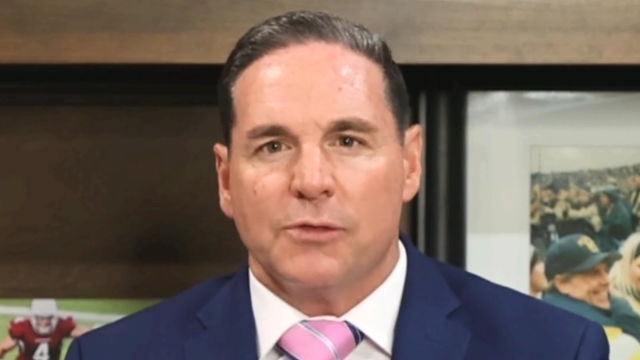
Charlie Kirk's assassination has prompted renewed fears of online radicalization. While the alleged gunman's motivations are still unclear, lawmakers are looking to the potential role of social media. Theresa Payton, White House chief information officer under former President George W. Bush, joins "The Takeout" to discuss.

Sep 19, 2025 (07:02)

TRANSCRIPT FOR: “EXAMINING THE RISE OF ONLINE RADICALIZATION”

NIKOLE KILLION:
00:01:24

How exactly does radicalization happen? Well, there's a couple of things. First is the internet brings you more of what you came for, which doesn't have to be bad. If you're shopping for gifts for your family for the holidays, for example, and you're looking for deals and bargains, an algorithm that keeps serving you up deals and bargains isn't, in and of itself, a bad thing. But when you accidentally get exposed to a video that's absolutely horrifying-- and most teens are consuming news, entertainment, and other things via social-media platforms and videos. That algorithm, if you spend any time on it, it says, oh, I guess you would like more of this, and it gives you adjacent topics and more of what you came for. So this misuse of technology by groups that are recruiting for online radicalization is how they hook people, and they don't even know it's happening. You mentioned teens. We've seen authors like Jonathan Haidt suggest that parents should not allow their kids on social media until they're 16 years old. Do you agree with that? And how much of the burden should parents shoulder here? Yeah, this is a tough one. The privacy laws in the United States say-- COPPA says 14 years old. And I always say parents know their children and their maturity level the best, and so 14 might be sort of the youngest I would recommend being on social media, and maybe only pick one platform. The other piece is just like we don't throw the keys to the car to our kids without teaching them how to drive, sending them maybe to driver's ed school, it's the same thing with the internet. One thing that I think is also important to note is there are researchers who are saying we're actually in our third generation of online radicalization. So this is where these different-- again, the technology, in and of itself, is not bad, but these different platforms with algorithms and the lack of governance and guardrails and the lack of opportunity-- so if you do see something disturbing, there's really not an easy way to report it or to even get resources or to have somebody to talk to. So more needs to be done here, but, really, the best thing every parent can do is talk to your children. But parents, we cannot shoulder this burden alone. More has to be done by big tech, social media, and our policymakers. They are asleep at the wheel. This has been going on for over a decade, and we need help from everybody. This is a team sport. Yeah, I was going to say more specifically with respect to some of these social-media sites, we mentioned earlier that some of these CEOs of online forums have been called to testify on Capitol Hill. But what responsibility do some of these big tech companies have to moderate their content, and what does additional regulation look like? Well, if I were advising those CEOs, I would tell them to walk in and say, we're going to raise the bar. Let me report to you so that everybody can hear very clearly, here's how we use technology to spot that there's recruitment and online radicalization going on our platform, and here is the human capital commitment we have that looks at all of the flags that the technology creates. We're in an age where you can see where companies are hiring less people, and they're pointing to AI. They're laying off people, and they're pointing to AI. So we know that AI can help us here, and we need sort of the humans in the loop looking at maybe what the algorithm spot as potential hate speech, as potential recruitment for radicalization. And then it should go to a human team who is then basically dispositioning, should we cancel these accounts? Should we notify users? You probably saw something that was disturbing. Here's how to report it in the future. Here's some resources, some counseling that you can access. So much more can be done, and if I were advising any of these CEOs showing up to testify, I would come in hard and fast with the facts. I would tell them what you've spotted, what you've stopped, and then I would make a commitment to do more.

NIKOLE KILLION:
00:05:43

And to that end, I mean, what is the path forward here? Yeah, the path forward here is we need to, first of all, hear from the CEOs. What are they doing to protect all of us, but especially our young people all the way through young adults? And we need to hear what their commitments are to stop the recruitment of online radicalisation. The next piece we need to hear from is our elected officials, and they really need to dig in here. And this is not partisan. This is our future that's at stake here. If we don't get this right, there are so many issues. It's not just online radicalization, which is obviously horrible when it leads to violence, and in case of Mr. Charlie Kirk, it led to his assassination in broad daylight in front of a group of people. But this is also impacting our young people on a variety of other society issues, everything from depression, people taking their own lives because of the lack of governance and guardrails. So our elected officials need to dig in, understand this issue, and then roll up their sleeves and work together to create bipartisan legislation.

NIKOLE KILLION:
00:06:57

All right, Theresa Payton, thank you so much for being with us.

Videos
View CBS News In
CBS News App Open
Chrome Safari Continue