Watch CBS News

Epstein survivor on files release

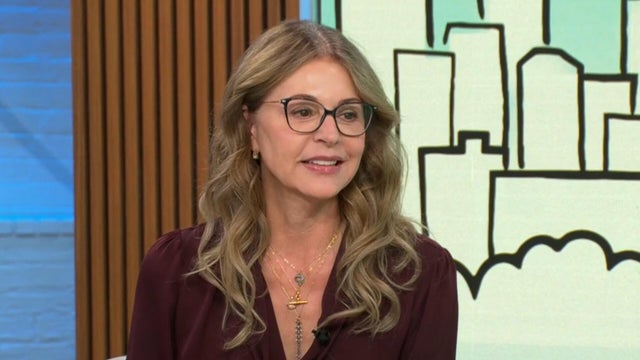
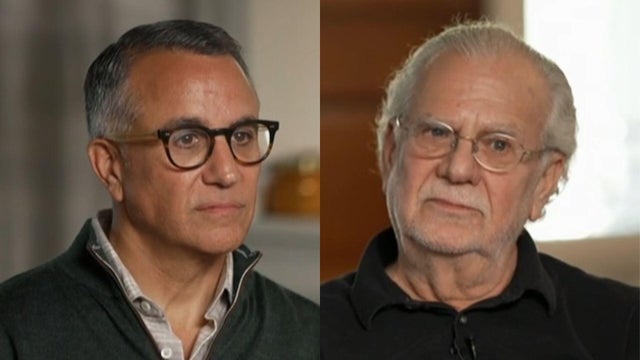
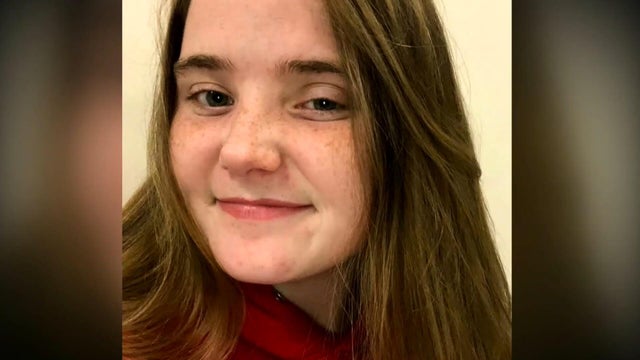
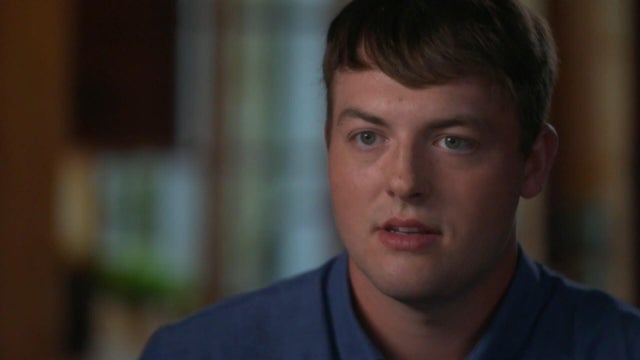
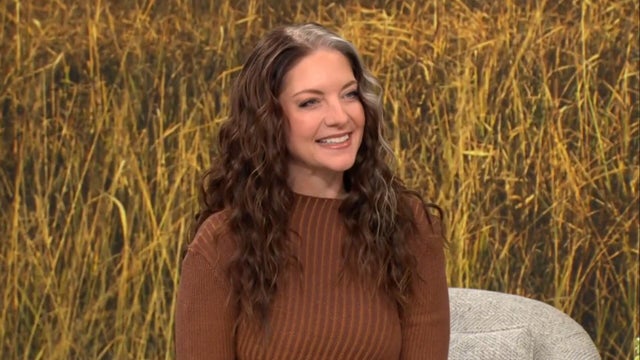
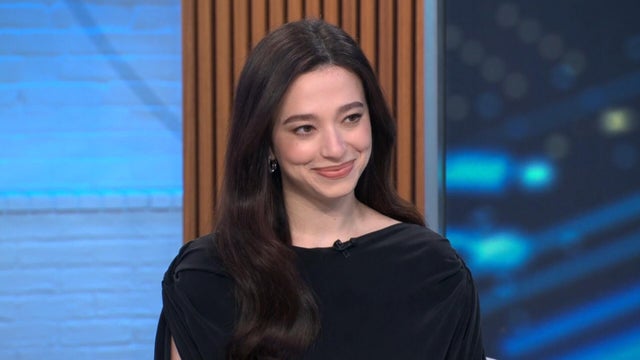
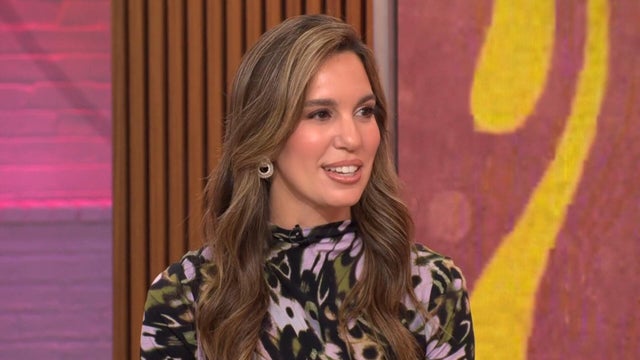
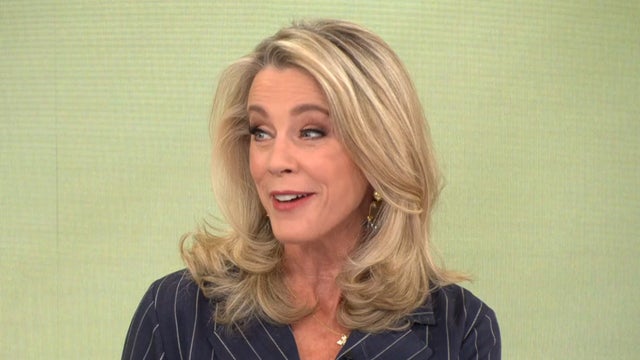
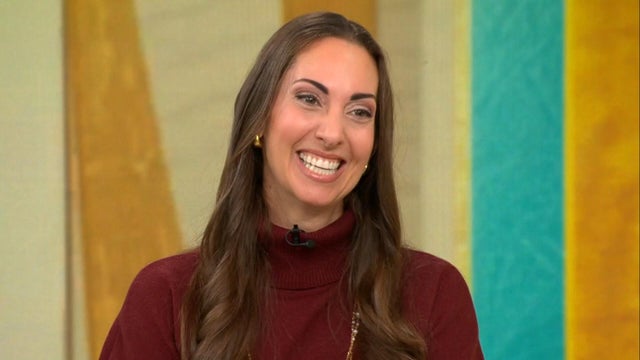
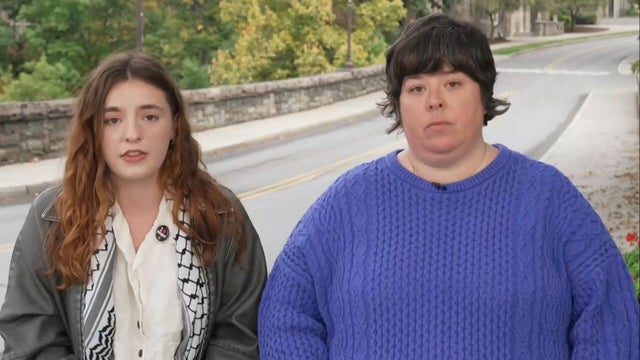
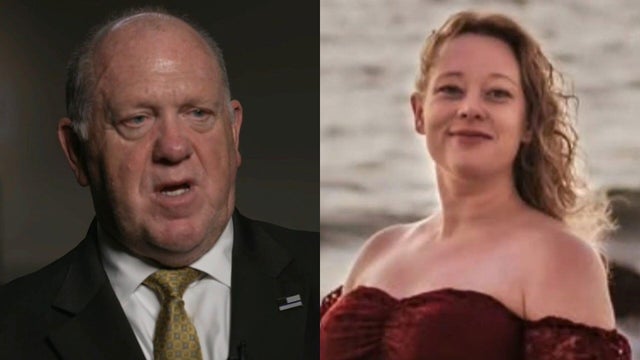
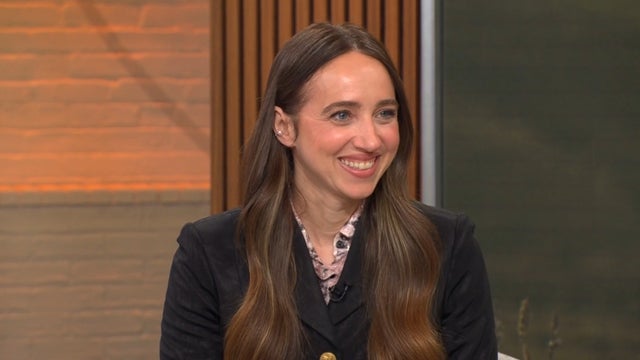
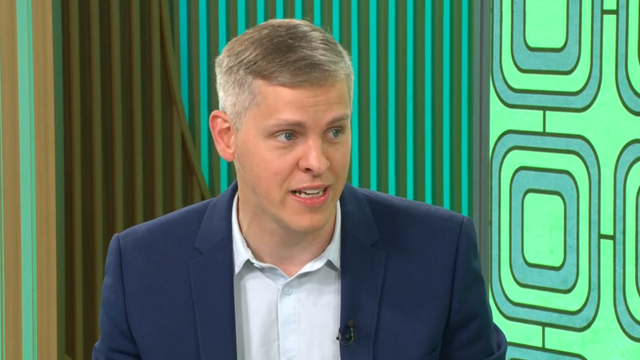
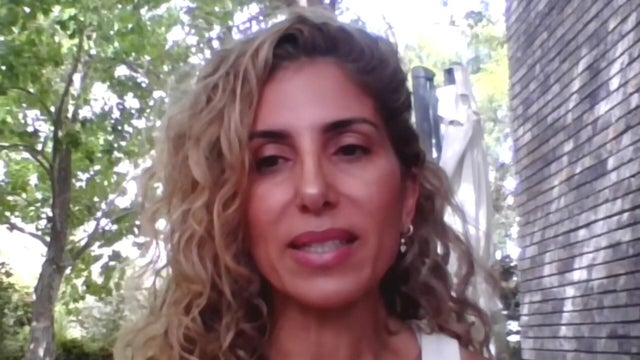
Annie Farmer, who testified she was sexually abused by Jeffrey Epstein and Ghislaine Maxwell when she was 16, speaks to "CBS Mornings" about Congress' vote to release the files. She said she's hopeful there will be transparency following this vote, but still has concerns. She also spoke about Maxwell, saying, "she needs to serve her full sentence."
Nov 19, 2025 (06:49)

TRANSCRIPT FOR: “EPSTEIN SURVIVOR SAYS SHE'S HOPEFUL FOR TRANSPARENCY: "A LONG OVERDUE VICTORY"”

GAYLE KING:
00:00:47

I know. Let's talk about what it took because your sister, Maria, was also a victim. In fact, Maria was one of the first, back in 1996-- '96? 96. --to call attention to this matter about Jeffrey Epstein and Ghislaine Maxwell, and now we sit here over 30 years later. Do you think that, finally, we will get transparency? Do you believe that? I feel very hopeful at this moment that that will happen. And, in part, I feel hopeful not because I have a lot of trust in the political process but because of what I've seen what is possible when people come together and demand something and pressure is placed by the American people here. I mean, we heard yesterday from lawmakers that they have almost never received this many phone calls from constituents saying, we care about this. We want this to happen. And for that, I'm incredibly grateful. I appreciate everyone who spoke out about this. What are you hoping, Annie, to learn from the files that you don't already know? What do you think is in there? I think that there's a lot of information in there about not only people--

GAYLE KING:
00:01:44

That we haven't heard before. That we have not heard before in terms of names of people that not only participated in these crimes but the people that enabled the crimes and the people that funded the crimes. And even just I think what we've seen come out so far in some of these files or emails and things that have emerged from the House Oversight Committee's investigation were the people in positions of power that were looking the other way. And yeah, it's just enabling this behavior, and I think there should be repercussions for them. I heard many survivors say yesterday-- and I like the word survivor as opposed to victim. I heard many survivors say yesterday they have relief. They have hope, but they also still have a lot of fear. Do you share that?

ANNIE FARMER:
00:02:25

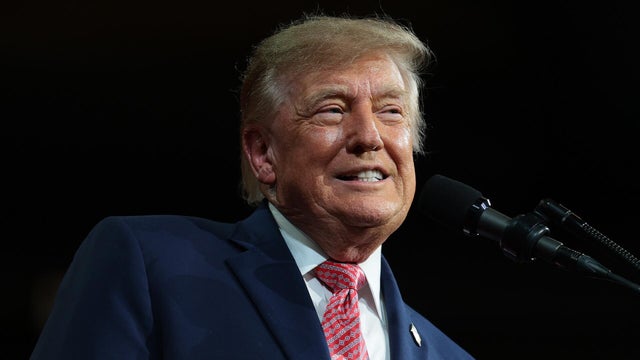
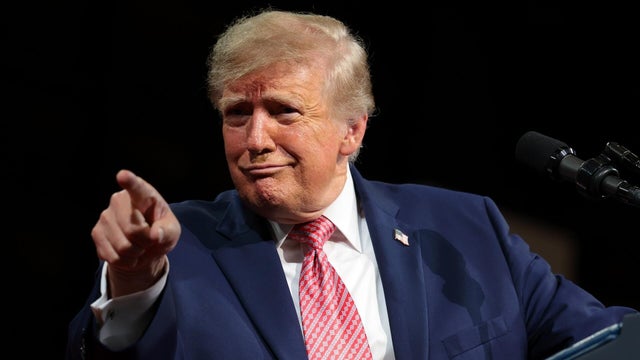
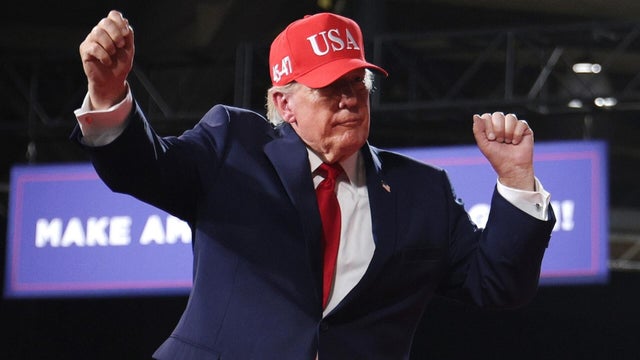
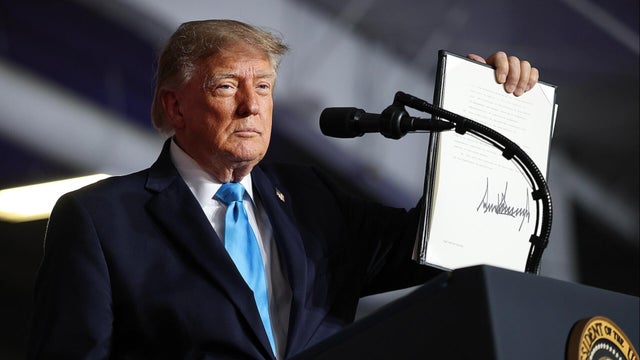
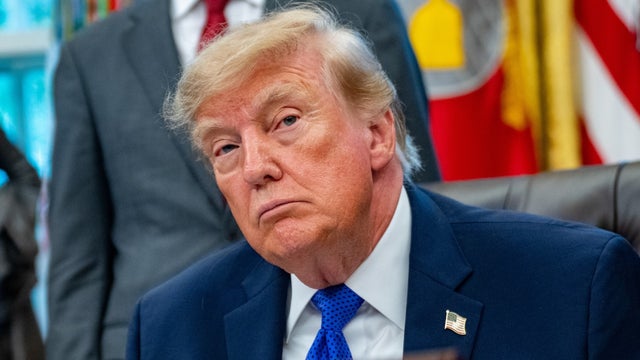
Yes. Fearful and concerned about what? That we won't get the transparency we're looking for. I think about my sister, Maria Farmer. She has made so many FOIA requests over the years, and the things that have been released have been heavily redacted and, therefore, really not very helpful, right? And so, yes, we're very much hoping that the language in the bill would make it such that they can't do that type of redaction. But there have been recent things like suddenly calling for this investigation, even though it was just this summer that this administration-- or the DOJ, I should say, released a statement that there was no further evidence for any need for investigation. So these files should be available now. They should not be tied up in any kind of investigation, but we're concerned about things like that that might get in the way of what we're looking for. Let's talk about the vote for a second on both sides of the aisle because it's almost unprecedented to have such bipartisan support. It was nearly unanimous. There was one that voted no. The president himself reversed his pushback on it. What do you make of that, the president's decision to reverse and the vote that was nearly unanimous? I think that they felt pressure to get on the right side of history here because it was becoming so clear that this wasn't going away, that people cared about it, and they were getting enough phone calls that they thought, we need to be for this now. I've heard some people saying, should Donald Trump get credit because he did finally reverse his position? I know there was a lot of pressure to do so-- not pressure, but it seemed inevitable that the vote was going to go the way that it did. Do you give him any credit for reversing his decision? I would say that--

GAYLE KING:
00:04:06

--his position? Yeah, I'd say I'm glad he reversed it. I think that he felt pressured to do so. What does justice look like for you as we sit here today? Oh, it's a complicated question, but I do think that a big part of it is just recognition of what actually happened here. I think for my sister, Maria, who really was a whistleblower-- the first whistleblower in this case-- she hasn't faced any protections because of that. She's been threatened. She's been bullied. I think just the acknowledgment that, wow, what you did was so brave, and this didn't need to happen, that there have been mistakes made over and over by law enforcement, that we don't want those things to continue happening. My sister actually filed a lawsuit against the federal government earlier this year because of the negligence in this case and to try and highlight that because there's been so many other aspects of the case that have received attention. But I think the systemic institutional betrayals have not gotten the attention they deserve, and those things we really do need to investigate in order to prevent. Let's talk about Ghislaine Maxwell for just a second. We know she's been transferred. According to reports, she's in a better place for herself, and now there are many reports that she's trying to get her sentence reduced or commuted. What do you think should happen? When you hear that about her and what you know about her and have testified about her, what do you make of that? She needs to serve her full sentence. I mean, I think it's absolutely disgusting that she's getting this preferential treatment. I mean, I was thinking about the last time I was here with you, and it really was-- it was after her sentence, and it felt like, finally, we have this little slice of justice in this case. That was a symbol for so, so many people because she harmed so many more than just the individuals that were involved in the trial. And so I think to now see her getting the special treatment and potentially be receiving some kind of pardon, it's really unfathomable. You're also a psychologist who now helps others. Is it helping you, too, to be involved in this line of work to help others get through the trauma? Yeah.

GAYLE KING:
00:06:16

It must be helping you, too. Oh, I certainly think it does. And I think I've heard from so many survivors, both people that I know and then people that I don't know. Having spoken out more, even over this past few days, I've received emails from people about what this means to them, and I think this is an important symbol for this country, and I'm so grateful to be a part of that. Well, this story continues. The word is he will sign it today. We shall see. We shall see. Thank you. Thank you so much.

GAYLE KING:
00:06:48

Thank you very much.

Videos
View CBS News In
CBS News App Open
Chrome Safari Continue