DEBORAH MISTOR:
00:02:05
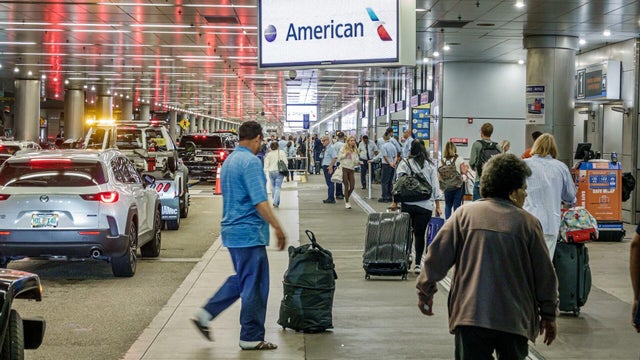
Nothing was said other than sorry for the inconvenience, the diversion, and the delay. We can't just hand people we think are-- or could carry some disease to another country because we're not going to allow them in here. This can't be the way that these things are resolved. In a statement, Air France said there was no medical emergency on board and it is required to comply with the entry requirements of the countries that it serves. Now, the Department of Homeland Security says starting today, any foreign travelers who have been in Congo, Uganda, or South Sudan in the last 21 days will now have to fly into Washington Dulles Airport.

REPORTER:
00:02:46
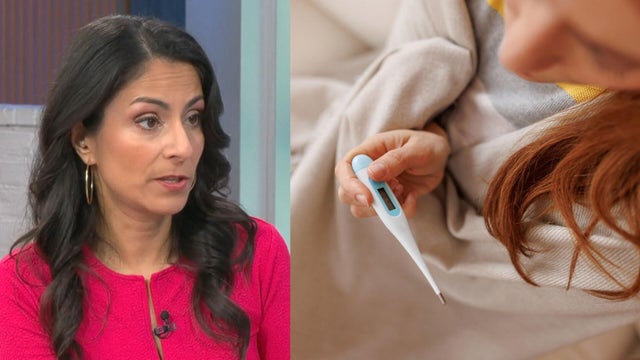
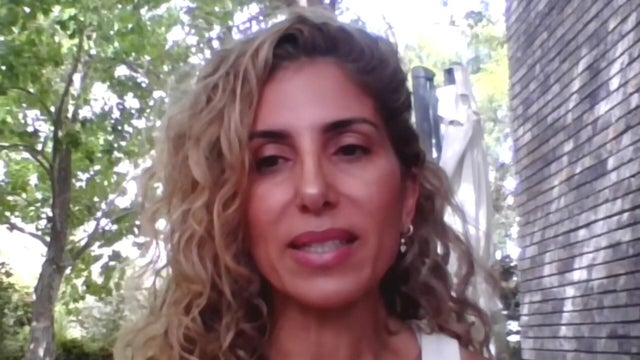
Ash-Har Quraishi, thank you very much. For more, let's bring in CBS News medical correspondent, Dr. Céline Gounder. She is also the editor at large for public health at KFF Health News. Dr. Gounder, always good to see you. Thanks so much for coming in. This seems like a moment where the public is going to be alarmed. A lot of passengers on. Are they at risk? And how should we evaluate this idea of diverting a flight and now sending flights to just one designated airport in the United States? Well, in terms of that last piece, that is not dissimilar to what we did during the 2014-2016 outbreak. We actually had funneled not just to one airport, but I think it was three airports that we had funneled people into. So that was to facilitate screening once you got into the country. It wasn't to prevent flights or prevent passengers from coming here entirely. And the DRC is a huge country. It is the size of Western Europe. It's like saying Kinshasa is like Portugal. And then you have somebody out in Prague or Berlin at the other side of the country, which is where you have the outbreak. It really makes no sense, their approach here, without knowing more details as to if he had any exposures at all. But I think most importantly, this passenger, based on what we've been told, had no symptoms. And you cannot transmit Ebola-- you cannot transmit at all if you do not have symptoms. OK, so that was my next question, how easily does it spread. And then also, if you're a passenger that was on this flight, should you be concerned? Should we be concerned if these passengers are flying all over the country? Yeah. Well, first of all, we had this travel ban instituted, so it's not going to be-- and even before this Title 42, which is the public health related travel ban, we already had immigration restrictions. I mean, honestly, this is a little bit of hand waving because there wasn't much travel happening, anyway. Gotcha. But that said, should people be worried about this? No. No. You're not going to catch Ebola from sitting next to somebody who doesn't have symptoms on the plane. And I think it was really sending the wrong message for the flight attendants to be masking up because that's going to be scaring people unnecessarily. And you're not actually protecting yourself because in this context, there's nothing to protect yourself from.


REPORTER:
00:04:57
Doctor Céline Gounder, this is the information so many people are wondering about this morning. Thank you so much.