CELINE GOUNDER:
00:00:31
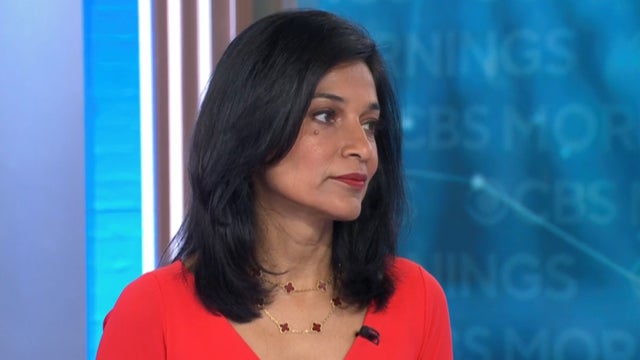
Well, one of the problems we're facing right now is the lack of workforce to do contact tracing. So the key number here is only one in five contacts are actually getting follow-up to see if they have Ebola. Do they develop symptoms? Do they have a positive test? In the absence of a vaccine or specific treatment, all we have is contact tracing and isolation. So we're really behind the eight ball here. Why is it important? Why is contact tracing so important to containing this?
CELINE GOUNDER:
00:01:02
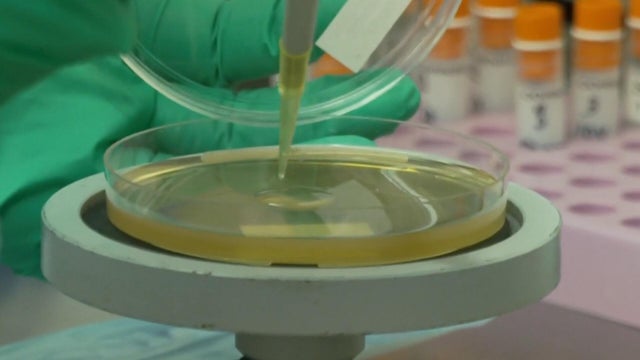
Right. So this is really the only way to stop transmission given what tools we have at our disposal. So with contact tracing, you go to everybody's door. You check on them. You see if they have symptoms. You check their temperature. You offer testing. But they've even run out of supplies for testing. So if you don't have the people to go follow-up, you don't have the supplies to do the testing, how are you supposed to contain this?


NATE BURLESON:
00:01:30
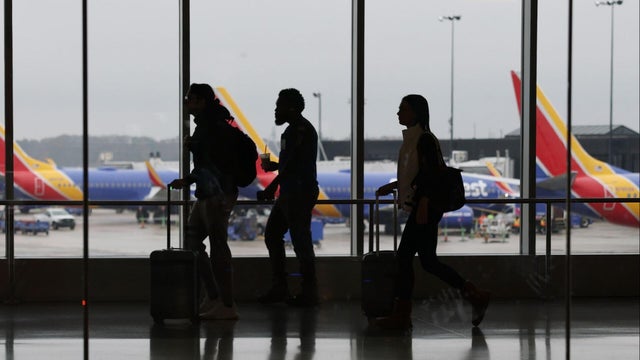
All right, so Uganda reported two more cases. How concerned should we be of this spreading, especially with the World Cup coming up? You've got US, Canada, Mexico. I mean, it's going to be a lot of international traveling.
CELINE GOUNDER:
00:01:42
Yeah, well--
GAYLE KING:
00:01:42
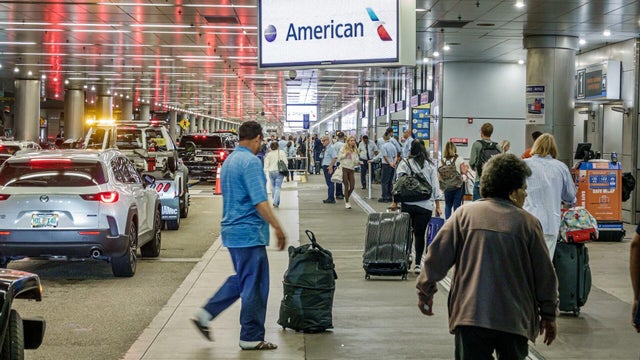
Talk about the travel restrictions. Do you think that matters? Well, they're not very helpful. And it might seem obvious. Oh, of course, you just shut the borders. You're not going to have transmission. But what we've seen actually with prior big outbreaks, whether it's Ebola or COVID, you're only preventing about 1% of the transmission that you might otherwise see. And so what happens is people are driven underground. They find other ways of entering countries. So they might travel over land or they might make multiple flight connections so it's harder to trace. And so it actually makes the whole issue harder to contain.
GAYLE KING:
00:02:16
So do you think we're ready for the World Cup, realistically, and what can we do? What should we do? So this is the largest mass gathering in US history. And as you mentioned, Nate, three different countries. Over 5 million tickets have been sold. 16 cities, 39 days. This is massive. I talked to the guy who does health security-- runs health security for the Hajj pilgrimage, which is also another mass event, smaller, by the way, than the World Cup. And he said, normally, you have a chain of command. You have a command center. You have real time data. We put $0 as a country into bio preparedness for the World Cup. We put in $625 million for law enforcement and security. Zero.
GAYLE KING:
00:03:00
So what do we do?
NATE BURLESON:
00:03:00
That's concerning.
GAYLE KING:
00:03:01
Yeah. That's very concerning. What do we do? Well, state and local health departments are trying to do what they can, but they have no new money. So they're a little bit cash strapped and workforce strapped here.

NATE BURLESON:
00:03:12
So be cautious is what you're saying. Be cautious.

NATE BURLESON:
00:03:14
All right. Dr. Gounder, thank you so much.