MAJOR GARRETT:
00:00:00
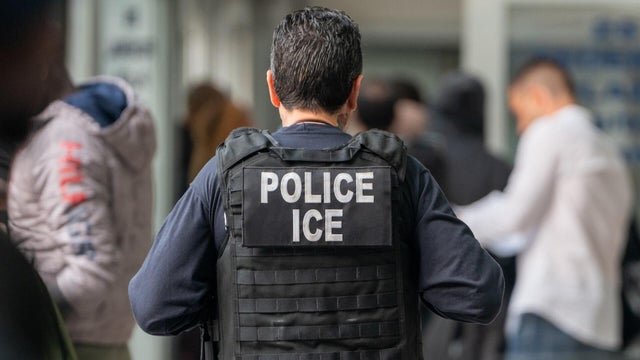
We turn now to Illinois, specifically the Chicagoland area where National Guard troops from Texas are now there and could soon be deployed. This, despite fierce objections from state lawmakers, including the governor and the mayor, who have already filed a lawsuit to block this deployment. I'm joined now by our Ash-har Quraishi, who is covering the latest developments. Ash-har, what's going on? Hey there, Major. Let's start with the numbers, OK? About 200 soldiers from the Texas National Guard and about 300 from Illinois have been federalized, ready for deployment under the US Northern Command for at least 60 days. Now, they're supposed to be here to protect federal facilities, personnel, and property, including ICE operations. Their mission could include crowd control, setting up security perimeters to keep federal agents safe. Troops have been training specifically for this, we've been told, by the US Northern Command, learning de-escalation, crowd control tactics, and the standing rules for the use of force. Now, I just sat down with the mayor of Broadview a short while ago. She told us she's been given no information about this type of training that they've supposedly received. She also says she has no confirmation that the troops will arrive tonight outside the immigration facility here in Broadview, though there's been plenty of speculation that that may be the case, Major. Ash-har, let's talk about the immigration actions in the Chicagoland area themselves. I've read-- and I'd like your insight on this, because you're there, I'm not-- that they're masked. They sometimes arrive in vehicles that appear to be one kind of vehicle, but are another, meaning they're an ICE vehicle, but they're not well marked. There have been some helicopters rappelling from helicopters. What have we actually seen in terms of the tactics for this immigration enforcement effort? Well, I think you hit it right on the nail right there, is it's a mixed bag of nuts, in a sense, of what we see. Some of these enforcements that we see that are caught on video by bystanders show one type of deployment where you have unmarked cars. There is a court case right now where, allegedly, there were two agents inside a vehicle that was marked with an Uber sign. And allegedly, sometimes they're using Mexican flags on their vehicles to hide who they are. And then in other cases, they're very clearly marked as ICE agents. And they're involved in very big operations that are-- like you mentioned, there's one that we've been talking about last week that occurred overnight hours. Supposedly, these agents dropped and rappelled down on the roof of an apartment complex and made arrests in about 130 units or so. So it varies. And there's speculation among people you talk to here about who the professional agents are and who the people who have just signed up to be part of these operations are and that they're all operating willy-nilly. And that's part of the concern that we're hearing from people who are in these areas saying, we don't know who is who. And they're wearing masks. They're not identifying themselves. And a lot of times, they're not showing badges. And so they don't know who they should go with, who they should not go with, and what they should do. Trust issues, to be sure, for many reasons. Ash-har Quraishi, thank you so very much. I appreciate it.