TONY DOKOUPIL:
00:00:01
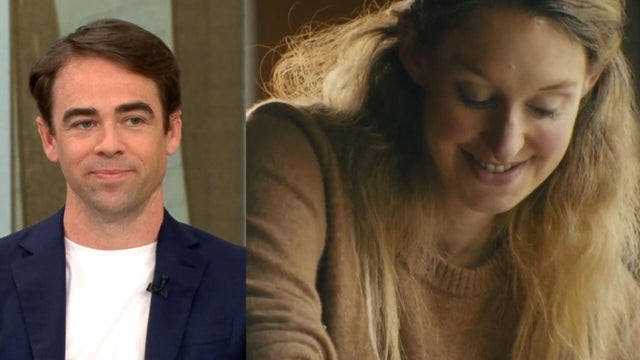
It's Monday. And that means it's time for Begnaud's America, where CBS News contributor David Begnaud finds the heart in each and every story. This week, David is back with another edition of Dear David, where he shares stories submitted to him by viewers like yourself.
DAVID BEGNAUD:
00:00:17
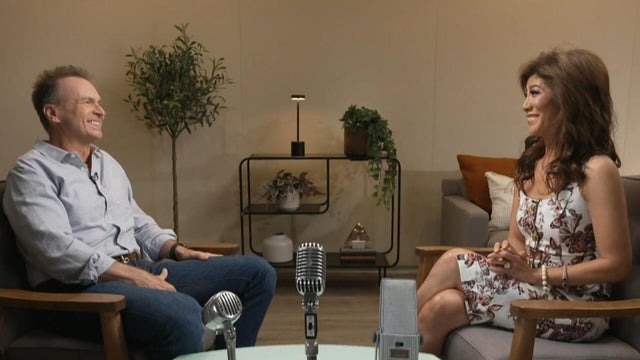
the greatest stories about heroes are written by the children who grow up to become them. Well, look who it is. What's going on? How are you?
DAVID BEGNAUD:
00:00:28
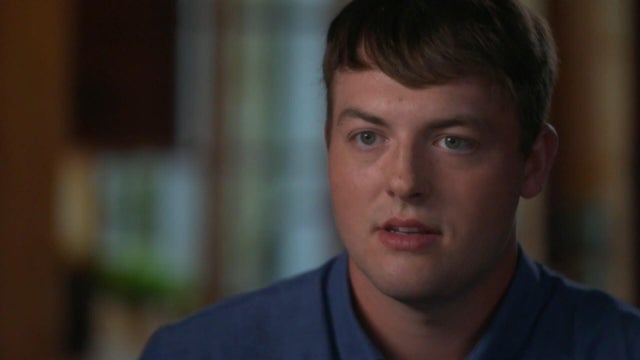
I'm well. How are you? Good, thanks. Hey, so tell me why you wanted to write to me. What did you want me to know? I wanted you to be inspired and encouraged and anyone who sees this to be inspired and encouraged. Never give up. Keep the faith. And be thankful for the small things.
DAVID BEGNAUD:
00:00:47
The question that started this story came from a child.
GARRETH BELL:
00:00:51
I asked, Dad, how did you get in a wheelchair?
DAVID BEGNAUD:
00:00:55
Some kids' questions aren't easy to answer. He said it was before I was born.
DAVID BEGNAUD:
00:01:02
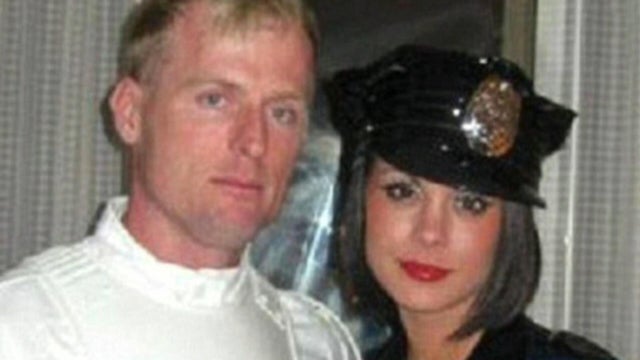
Here's where this story starts. May 29, 1992, I woke up with extreme back pain between both shoulder blades, almost as if it was a stabbing.
DAVID BEGNAUD:
00:01:15
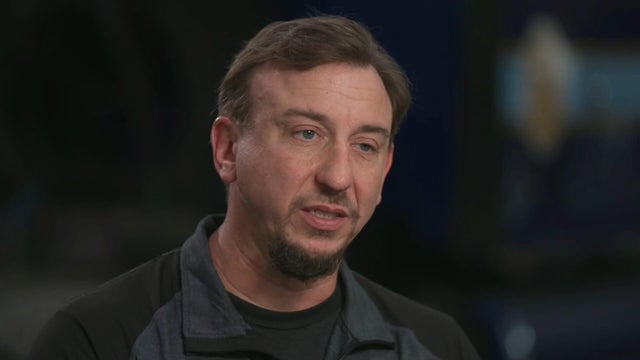
Stephen Bell was 22 years old when a blood vessel burst in his spine, paralyzing him from the chest down.
STEPHEN BELL:
00:01:23
I was in rehab for about two months and learning how to just to live again. I gained a whole new perspective on the world.
DAVID BEGNAUD:
00:01:32
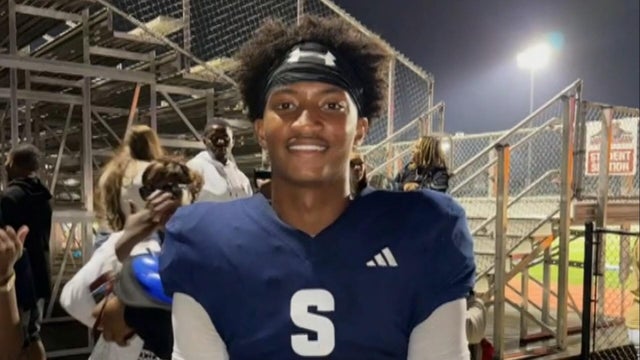
Years later, his youngest son, Garreth, got a school assignment. Write about your hero. How did my dad get in a wheelchair? I thought.
DAVID BEGNAUD:
00:01:42
Garreth wrote about his dad.
GARRETH BELL:
00:01:43
It's like he's still walking because he takes care of himself and the family.
DAVID BEGNAUD:
00:01:47
And a few words changed how a father felt about himself. Dear David--
DAVID BEGNAUD:
00:01:54
In an email to me, Stephen said how much Garreth's words meant. When I read it, I felt seen for the first time in a long time. It was as if he understood what I had gone through and how I battled daily to continue to provide for our family regardless of the circumstances.

DAVID BEGNAUD:
00:02:11
That assignment is what sent Garreth on his path.
STEPHEN BELL:
00:02:15
Garreth decided to become a physical therapist so that he could help others like me someday. To quote him, "Pappa, I've been watching you suffer my whole life. I should become someone who can do something about it so that others don't have to go through what you went through."
DAVID BEGNAUD:
00:02:33
Garreth went to the University of Miami and now helps to run adaptive beach days, helping people with disabilities get into the ocean. And recently, one of those people was his dad. For the first time in more than 25 years, Stephen felt the ocean on his skin with his son right beside him. They had to keep me from just jumping out of the chair and swimming. It was just like heaven.
GARRETH BELL:
00:03:06
The first little splash hits him and I just see probably the biggest smile I'd ever seen on his face in my entire life. Yeah, I'm not going to cry. But I was so thankful.
DAVID BEGNAUD:
00:03:20
Since that first swim, Stephen has been back several times.
STEPHEN BELL:
00:03:24
When he was younger, I thought that compassion and empathy that he had, I thought, OK, this could be used as a weakness. But then I realized that it's a special sauce. I was surprised that he said that I'm his hero because, looking back on it, if I had to say it again, I'd say I want to be like him when I grow up. I strive to be the person that he actually sees.
DAVID BEGNAUD:
00:03:51
Stephen wrote about his son, the one who called him his hero. But the truth is, they're heroes to each other. And that original assignment, well, it still has one more line. The prompt was, who is your hero?
DAVID BEGNAUD:
00:04:07
Garreth's answer then and now. He taught me how to be a man. All the lessons that I-- hold on, excuse me. He was my role model growing up. And he still is.
TONY DOKOUPIL:
00:04:27
Dad's trying to hold it together. Thank you for that story. If you have one like it, email us, would you? deardavid@cbsnews.com. And I want to say one more thing. You heard Stephen bring up compassion. It is not a weakness. Don't let anybody tell you compassion is a weakness. It is, in fact, a strength. Remember that, my friends. Back to you. That was so beautiful, David. I mean, a lot of kids, for them, their parents are their heroes. But to see how his father remains his hero as a child and as an adult is just so powerful. Yeah, David, you touched on it. Tony and I were talking about how his father processed those two characteristics-- compassion and empathy-- and initially thinking this could be a weakness for a young boy growing up. The honesty, the honesty. The world is tough. But then, realizing, like you said, David, it is a superpower. One of my favorites, David. Really, really nicely done. Yeah. Well done. Well done, brother.