Watch CBS News

Analyst breaks down economy amid Iran war

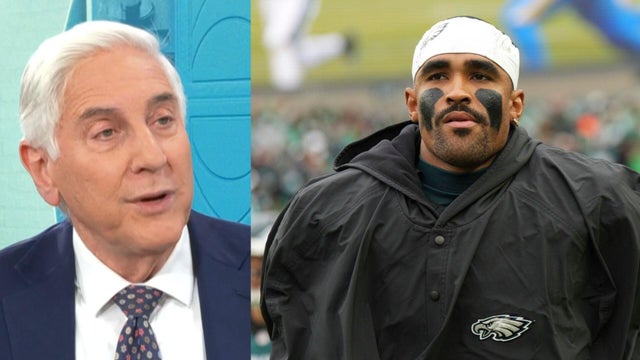
The national average gas price is up to $4.30 per gallon, the highest in four years, as President Trump said Thursday that gas prices "will drop like a rock" when the Iran war ends. Ted Rossman, principal analyst at Bankrate, joins "The Daily Report" with more.

May 1 (03:38)

TRANSCRIPT FOR: “"IT'S AMAZING HOW RESILIENT CONSUMER SPENDING HAS BEEN" AMID THE WAR, ANALYST SAYS”

LINDSEY REISER:
00:00:20

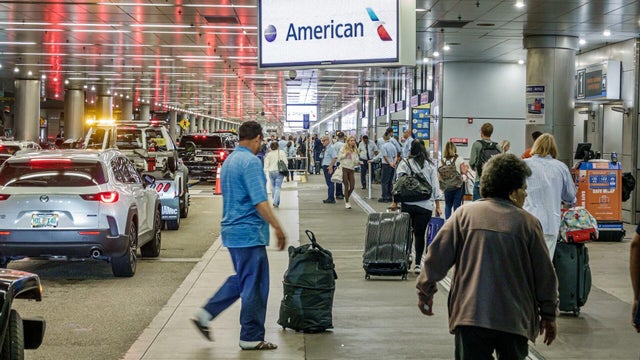
It's still unclear how or when the conflict will end. And in the meantime, drivers are voicing their frustrations with high prices at the pump. I don't have a choice. I have to push through it. I have to drive for my job. So it's no way around it. I think it's pinching the pocket of everybody around here, especially all the working class for sure-- anybody, really, for that matter. I'm working to pay the gas, pretty much, at this time. It's killing me.

LINDSEY REISER:
00:00:44

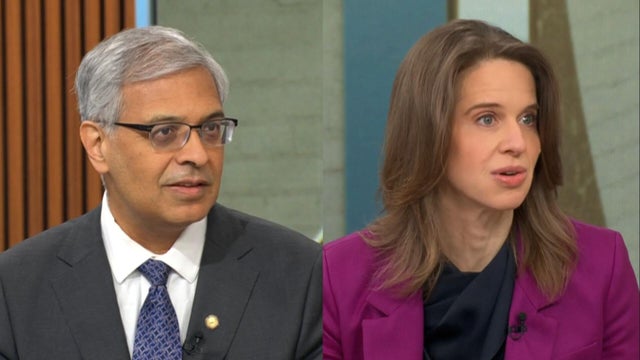
Ted Rossman joins us now. He's the principal analyst at Bankrate. Thank you for being here. So what does the horizon look like? Well, as the president said, it really does largely depend on the path forward for the war. I mean, it's cold comfort for people that are annoyed about how much they're paying at the gas pump. I would put it in a little bit of perspective that, overall, the economy is still growing, and this is likely to dent the economy in some respects. But we're talking maybe a drop from 2 and 1/2% annual growth to 2%. Significant but far from recession. It's been amazing how resilient consumer spending has been. I know the mood is very gloomy. People are worried about how much they're paying for things. But yet a strong job market is underpinning a lot of this, and for the most part, people have been able to weather it, even if they're grumbling about it. GDP numbers show the economy grew at an annual rate of 2% last quarter, and yesterday, Fed Chair Jerome Powell spoke about the connection between GDP and gas prices. When gas prices go up, that's disposable income coming out of people's pockets, so they're going to spend less on other things. So there will be a hit to GDP. What is your takeaway from what he said and what could happen next? It's a very legitimate fear. We're not really seeing it just yet. The banks and the payment companies reported very strong earnings in Q1 and really indicated that consumers are looking past this increase. Now, I realize it's not fully baked in yet. I mean, Q1 really just had one month of gas-price impacts. We could see more of it. We're not yet seeing the spillover into other categories. There's a fear that this could push a variety of goods higher because you have to transport groceries and clothes and electronics and other things. So far, it's been more contained to filling your car and travel, air travel specifically, and yet people are still traveling in record numbers. So some of this is indicative of the so-called K-shaped economy. The rich are getting richer. The poor are getting poorer. Amex specifically singled out that their customers, in the words of their CEO, don't really care about higher gas prices. This is a more affluent, creditworthy audience. We believe, so far, the impacts have been more on the lower 20% or so of the income distribution. So not to minimize those struggles but, overall, consumer spending has been remarkably strong. The average household spends about $2,400 a year on gas. So with current price increases, which are about 35%, maybe you're spending an extra $840 or so this year on gas. I know that doesn't sound great. I'd rather have the $840 in my pocket, but it's not so much making or breaking households. It remains to be seen how willing they are to pull back elsewhere. So far, people are weathering it.

LINDSEY REISER:
00:03:36

OK, Ted Rossman, thank you.

View CBS News In
CBS News App Open
Chrome Safari Continue