Have you ever wondered how New Year's Eve celebrations came to be?
Southern Methodist University historian Alexis McCrossen talks about the history of New Year's Eve ahead of her upcoming book, Time's Touchstone: The New Year In American Life.
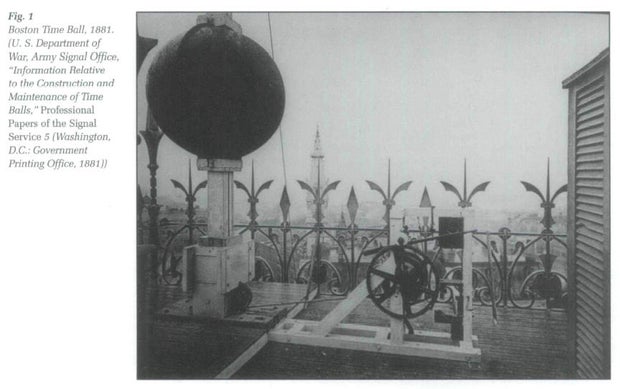
McCrossen says she's found that, historically, people didn't really bring in the new year at all, outside of a church service or writing in their diaries. But, that changed once cities began electrically illuminating their streets in the late 19th century.
"Places began to open up at night because they could illuminate themselves and so people began to go out a lot more," McCrossen explained. "New Year's Eve, which nobody had celebrated except mischief makers—and only a handful of them—prior to the 1890s, was now something that everybody went out for ... and part of what they went out for was to gather around the prominent clocks and bells in the city, which would then ring in the new year at midnight."