Dilley residents' opinions split on living near controversial immigration detention facility
As the Department of Homeland Security works to rapidly expand immigration detention space, many communities are pushing back. But while some are resistant to the idea of a detention space in their community, there are cities across the country that already coexist with these facilities, including the town of Dilley, Texas.
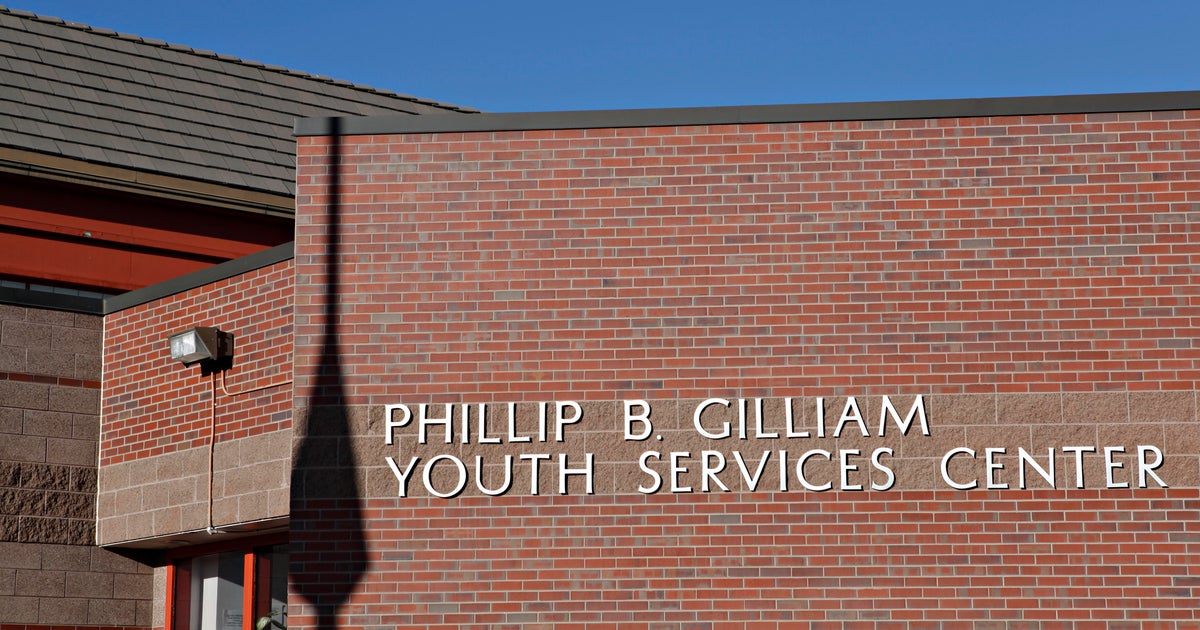
Dilley is a community of about 3,200 people an hour's drive southwest of San Antonio. The self-proclaimed "Watermelon Capital of Texas" was once best known for its fruit output. But today, it is more frequently in the headlines for being home to the South Texas Family Residential Center.
But how do this city's residents feel about living next door to a controversial detention facility?
Dilley, Texas
Millie's Mexican Restaurant is just a five minute drive from the South Texas Family Residential Center. It's one of Dilley's few restaurants, and a popular lunch spot in town. The restaurant is so close to the detention facility that waitress Valerie Tellez frequently drives there to make food deliveries.
But lately, Tellez says, those drives have been weighing on her.
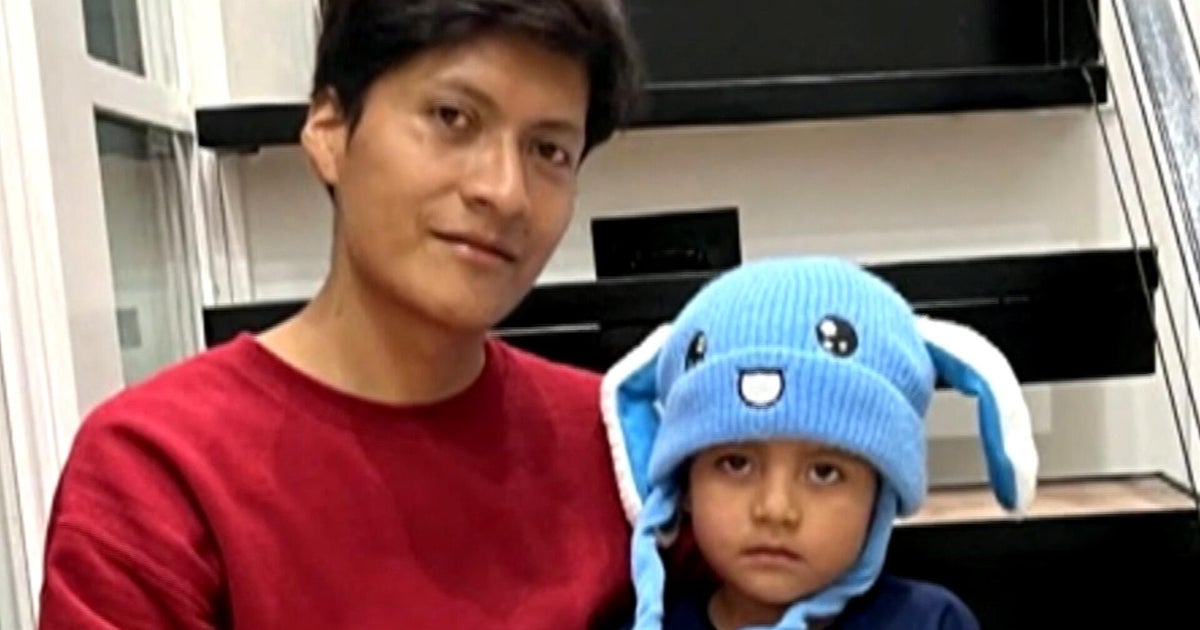
"I pray a lot and I do cry a lot going out there, especially when the Liam situation was going on," Tellez said, referring to the high-profile detention of a five-year-old Ecuadorian boy. "It's heartbreaking."
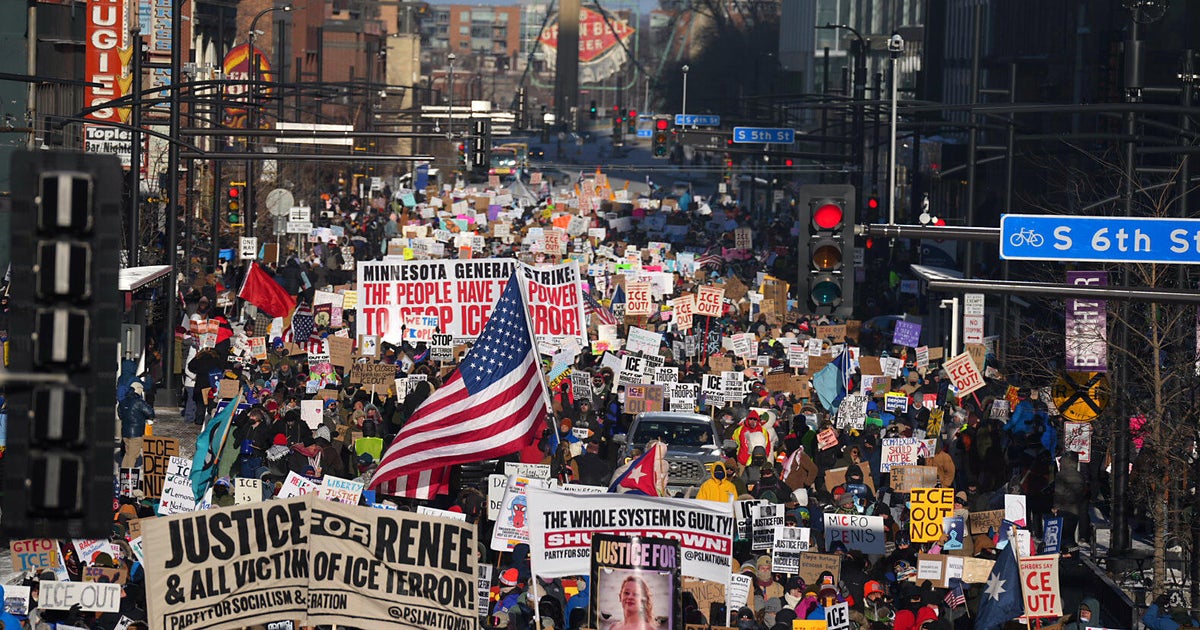
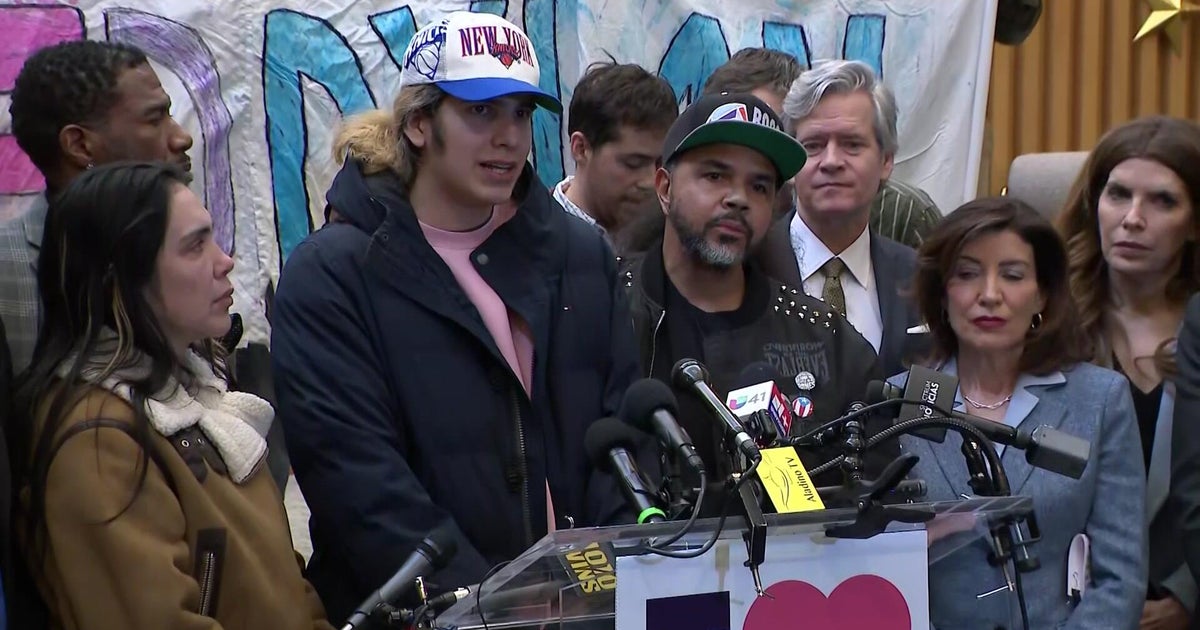
The detention of Liam Conejo Ramos and his father sparked protests at the facility earlier this year. Even after the family was released, the Dilley detention center has continued to be the focus of controversy.
Earlier this month, a ProPublica report published accounts of children detained in Dilley, some claiming inhumane treatment, including being fed moldy, worm-filled food. A few weeks after that report was published, a two-month-old detainee was rushed to the hospital after developing bronchitis. U.S. Immigrations and Customs Enforcement, or ICE, deported his family back to Mexico after his release.
The South Texas Family Residential Center is a privately-run facility that houses family units and first opened in 2014. Both ICE and CoreCivic, the private company that operates the center, have consistently defended its conditions.
ICE didn't respond to a CBS News Texas request for comment, but did recently issue a press release addressing concerns about the facility, saying in part: "ICE facilities have to reach high national detention standards, and Dilley is no exception."
In response to a written request for comment, CoreCivic sent CBS News Texas a link to an online statement that states the company is committed to the health and safety of detainees and that "inaccurate and misleading claims" about its Dilley facility are "not supported by the facts."
Differing opinions
Not all residents share the same concerns as Tellez.
"Some people are arguing, but to me, it's normal," said Tomas Salazar, who lives in a neighboring community in the county.
"They are very quiet. They do their business. The people that are hired out there have to have passed a background check. Even financial," said Sean Carroll, who manages one of the town's hardware stores. "Other than the protesters coming in, these guys never caused any problems."
"I think it's a good thing," said Rosa Augustine, a former ICE correctional officer. "It brings jobs."
Recent reports critical of the Dilley facility have bothered Augustine, whose sister is currently an ICE corrections officer there.
"[Detainees are] treated better than we are when they come here," Augustine said. "They provide the health care. If anybody's sick, they'll take care of them."
But despite the jobs the facility brings, Tellez said she'd rather not have it in her city.
"I just pray a lot, honestly," she said. "I don't know what other people feel, but I know what what I feel, and it's heartbreaking to me."
Detention expansion across the country
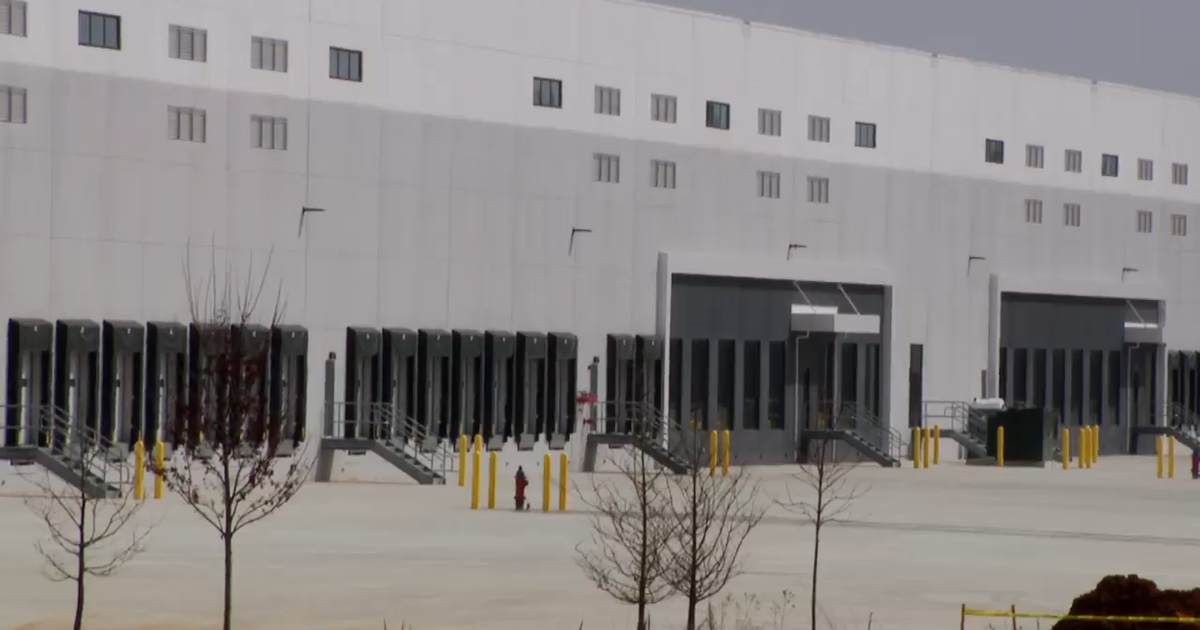
Last summer, Congress passed the One Big Beautiful Bill Act, which earmarked $45 billion for more immigration detention space. Today, DHS is buying warehouses in cities across the country to increase its inmate capacity.
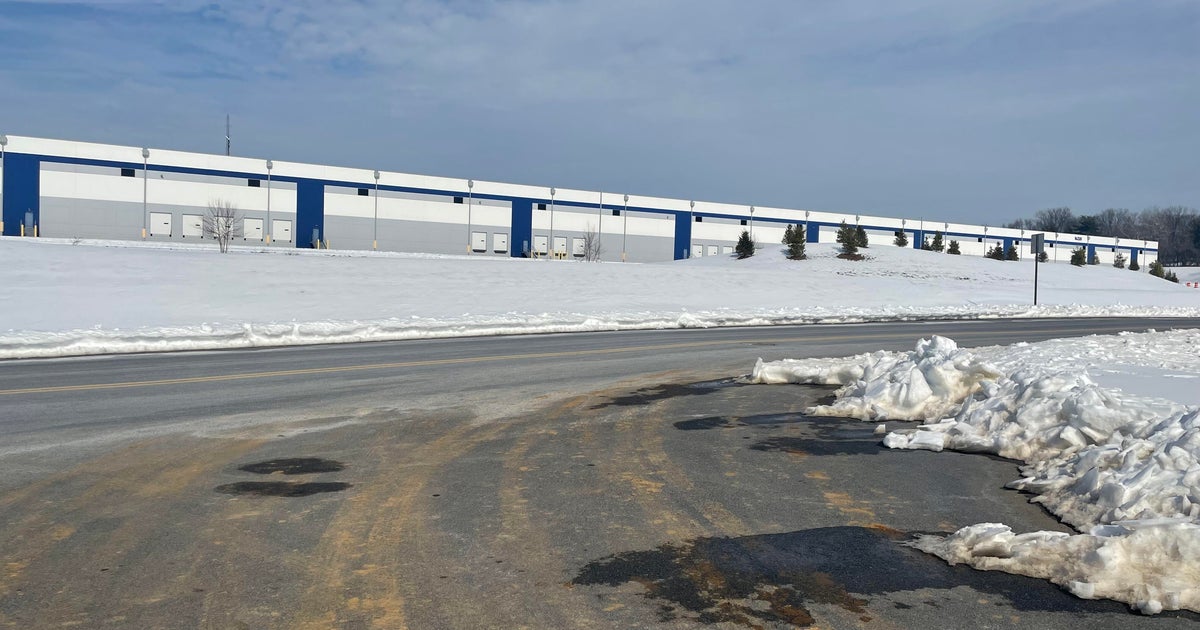
Earlier this year, news broke that DHS planned to buy a warehouse in the community of Hutchins, located in Dallas County. But after weeks of protests from some community members, the building's owner announced it would not sell the space.
Still, despite some protests, DHS is continuing to buy warehouses in some communities, including an hour north of Dilley in San Antonio.
San Antonio native Sheryl Gonzales has been active in speaking out about both the planned detention facility in her own city, as well as the existing one in Dilley. A CBS News Texas crew met Gonzales during a recent visit to the San Antonio warehouse.
"I can tell you the community is not happy at all," she said. "I don't want this here in San Antonio. I don't want it to exist, period."