Dallas pediatrician cautions against anti-vaccine mindset: West Texas measles outbreak
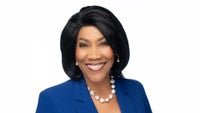
The West Texas measles outbreak may be hundreds of miles away from Dallas/Fort Worth, but local experts caution that the anti-vaccine mindset that put that community at risk is already here.

"So, I tell my patients, 'you're seeing a person who saw these diseases, who had these diseases, we don't want to go back there, but we're back there,'" said Dr. Albert Karam, a Dallas pediatrician who has built his practice over four decades of compassion and science.
He says he's heartbroken that anti-vaccine myths and misinformation have now gained such a foothold.
"It's bad," Karam said during a visit at his North Dallas practice, "and it's going to get worse given our current climate."
Karam, a father of six and a grandfather of nine, says as both pediatrician and parent he has always trusted vaccines, stressing that no other medical intervention has saved so many lives. He didn't "write the book" on them, but experience matters.
"I saw polio. I had measles, I had mumps, I had rubella, I had chickenpox," he said. "It's just awful. It's just awful."
Karam vividly remembers the days before life-saving vaccines were readily accessible.
"I had measles. I remember being so very, very sick. I remember screaming when my mother would turn the lights on because I had photophobia or pain with light. And so, when my mother turned the lights on, I would scream with pain. My mother thought I was going to die."
He has now spent his life caring for the community's most vulnerable, and it is beyond frustrating, he says, to see the return of vaccine-preventable diseases that science had eradicated.
"And to hold a parent's hand—literally hold a parent's hand and look into their eyes and tell them we couldn't do any more for their child who had a horrible, horrific disease. And now we have vaccines to prevent those diseases," Karam said. "And yet parents are choosing not to vaccinate. It just breaks my heart."
Karam is clearly passionate about vaccines. He says he's willing to have a conversation with those who disagree, but he won't put vulnerable patients at risk.
"I very politely and calmly say, 'I'm so sorry. We can't accommodate you if you don't want to immunize your children. If your children get these infectious diseases, they present a risk to my other patients. My other patients are dependent on me to protect them when they come to my office.'"
And Karam says now more than ever, parents of vaccinated children demand to know who could be sitting beside them in the waiting room.
"Yes," Karam said emphatically. "Yes...yes." And he provides even more clarity. "So, for instance, if a patient with measles showed up in my office before they were terribly symptomatic—maybe they just had some mild red eyes or runny nose. They're contagious. And if they sat in my waiting room for 20 or 30 minutes, which can happen, and I sent them home, they've contaminated my whole office."
Ari and Ilya have a 7-month-old—too young to get the measles vaccine. They came out for an appointment today but say the measles worry is real. So, they're taking precautions where they can.
"It's a COVID lockdown again," explained Ari while leaving an appointment with her son's pediatrician. "Like, you know, we're not really leaving the house. We don't have strangers coming in. We're even monitoring like takeout, you know, because this is our only baby."
Karam was horrified after hearing of families looking to get exposed to the measles in the hope of getting so-called "natural immunity." That could come, he says, at a very high cost.
"And if you bring your kid to a measles party and he gets measles, there's a chance to end up in the hospital. There's a chance that he or she will have pneumonia. There's a chance that he or she will get encephalitis or inflammation of the brain. And there is a small but real chance of death," Karam warned. "Why would you do that when we have a safe, effective vaccine that works so well and we need to vaccinate as many as we can to protect those around us?"


