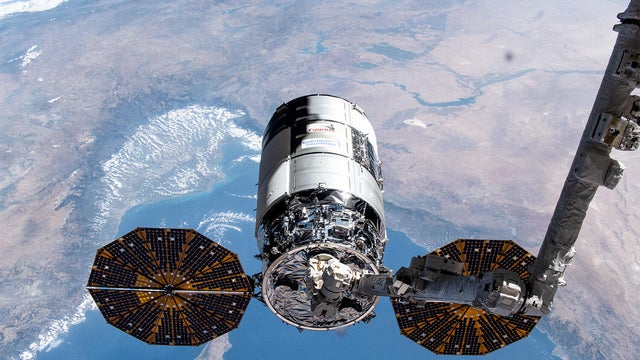
Cygnus cargo ship set to rendezvous with space station after delay
This comes after two planned engine firings shut down prematurely, NASA said, putting the Cygnus cargo ship's approach to the space station on hold.
Watch CBS News
This comes after two planned engine firings shut down prematurely, NASA said, putting the Cygnus cargo ship's approach to the space station on hold.
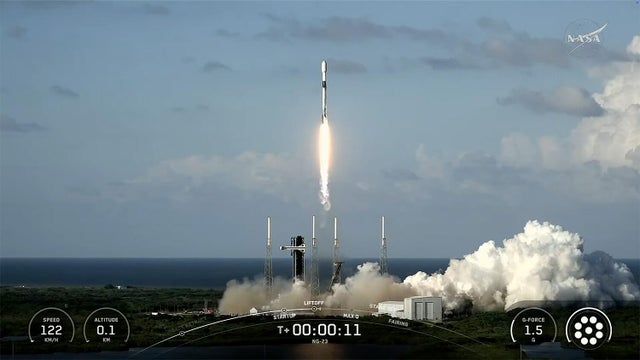
The upgraded Cygnus spacecraft is carrying more than 5 tons of equipment and supplies, including holiday food for the lab's crew.
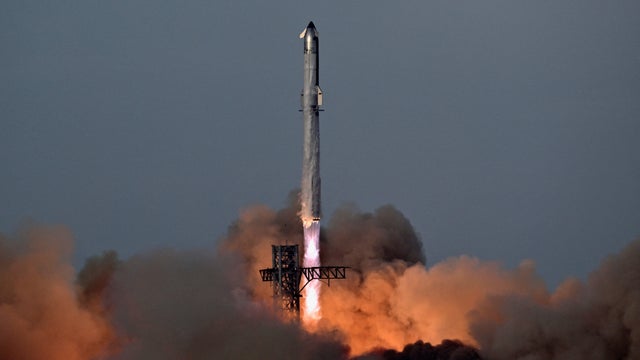
SpaceX launched its huge Super Heavy-Starship on Tuesday, chalking up what appeared to be a remarkably successful test flight in the wake of three back-to-back failures earlier this year.
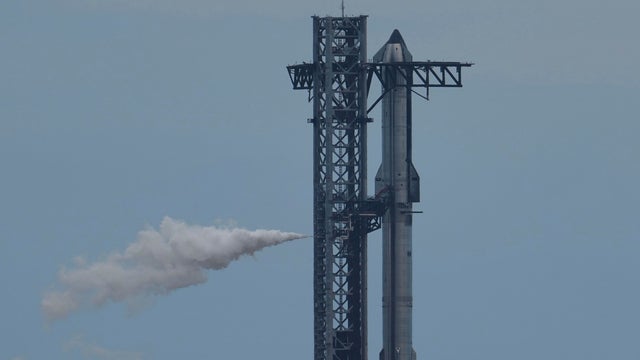
SpaceX hopes to pick up the pace with Super Heavy-Starship test flights amid concern the rocket may not be ready in time for a planned 2027 moon landing.
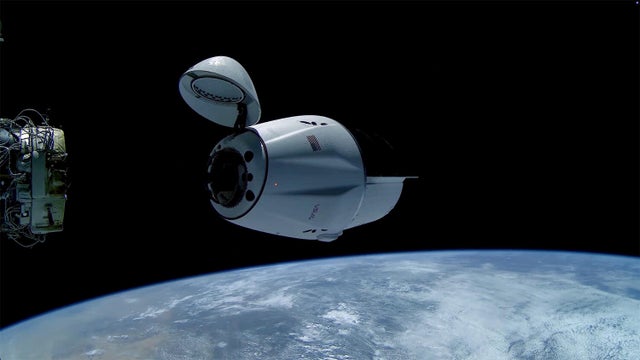
Along with delivering needed supplies and equipment, the Dragon features a "boost kit" to help raise the space station's altitude.
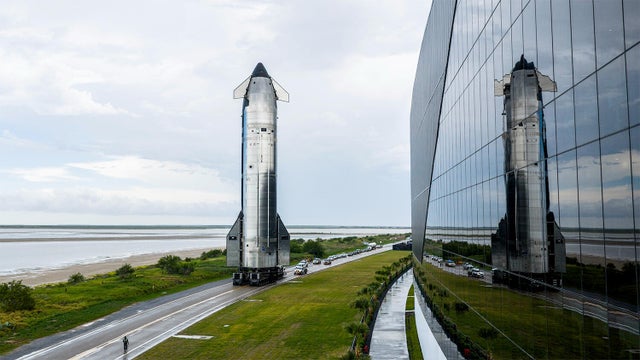
Taking no chances, SpaceX called off an attempt to launch its huge Super Heavy-Starship rocket after running into problems with ground equipment.

SpaceX sent up a Dragon capsule loaded with 2.5 tons of equipment and supplies, along with an add-on thruster kit to help maintain the lab's altitude
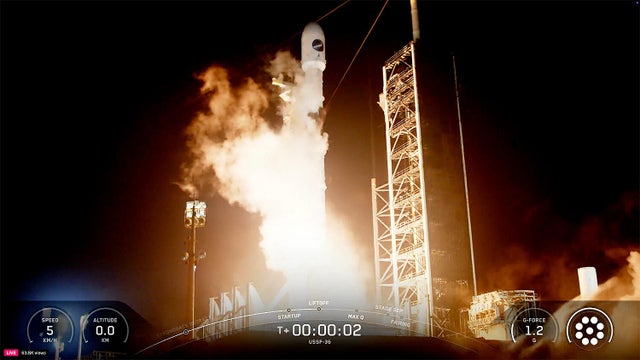
During its secretive mission, the X-37B will test new laser communications gear and a "quantum" navigation sensor.
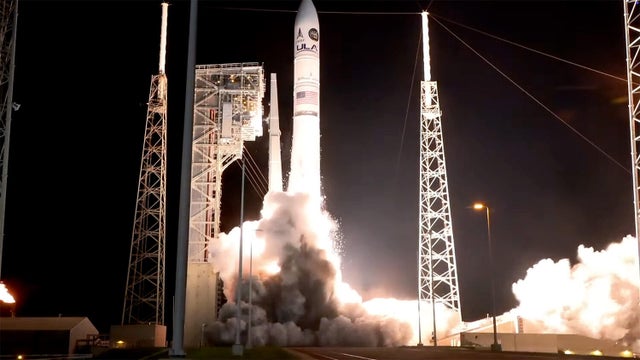
ULA's Vulcan is replacing the company's workhorse Atlas 5 rocket and the already-retired Delta 4 family of launchers.
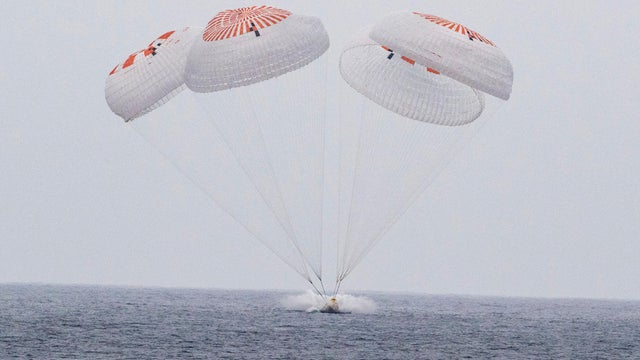
The splashdown off San Diego closed out a 148-day mission for two NASA astronauts, a Japanese flier and a Russian cosmonaut.
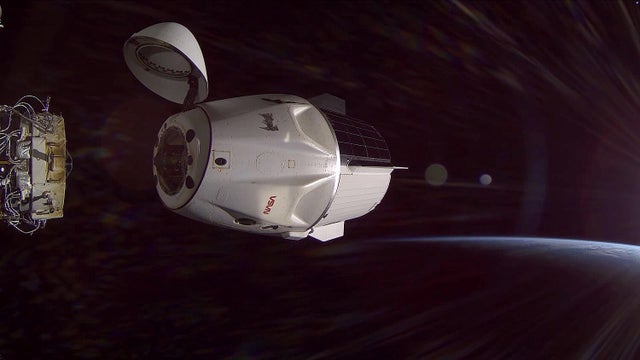
Crew 10 is the first NASA-sponsored crew that will land in the Pacific Ocean. All previous NASA Crew Dragon flights ended with splashdowns off the Florida Gulf coast or the Atlantic Ocean.
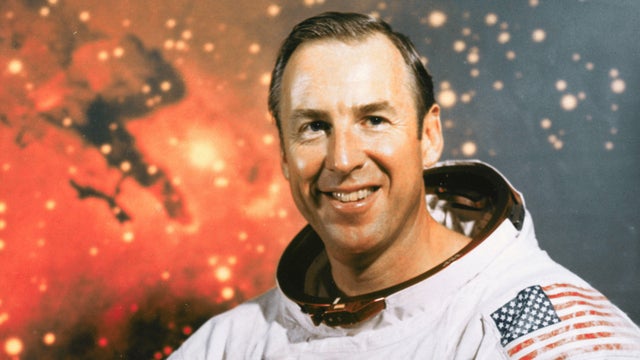
Astronaut Jim Lovell circled the moon on Apollo 8 and helped bring Apollo 13 home safely despite a mishap far from Earth.
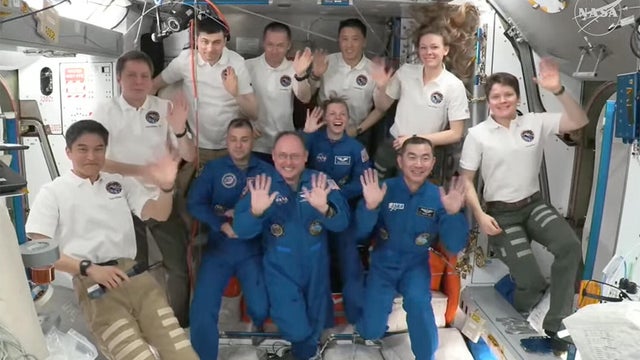
The arrival of Crew 11 clears the way for four other station fliers to return to Earth next week after a 145-day stay in space.
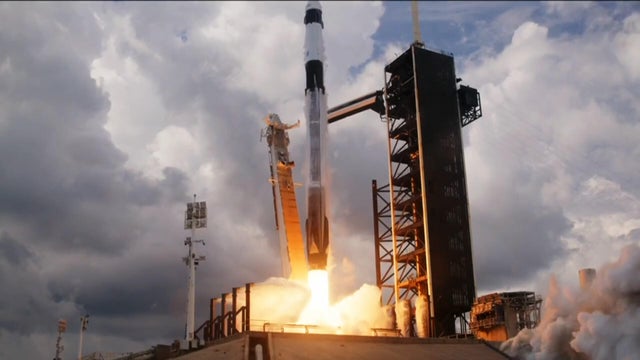
The three-man one-woman crew plans to spend at least six months and possibly longer aboard the International Space Station.
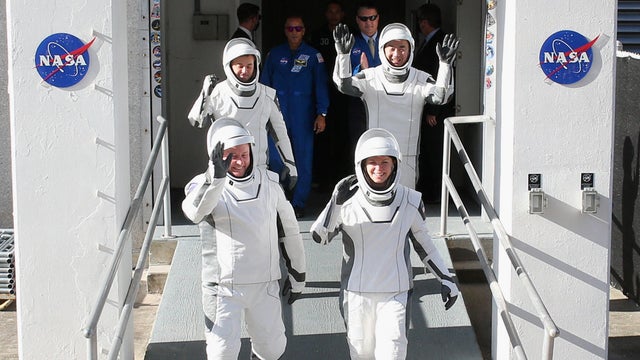
The Crew 11 flight includes three fliers headed for space after reassignments in the wake of problems with Boeing's Starliner capsule.