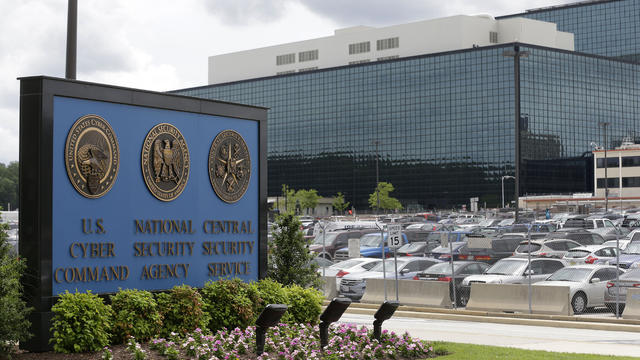
Number of surveillance targets declined amid pandemic, intel report says
The findings were disclosed in an annual transparency report that offers an accounting of the intelligence community's use of surveillance authorities.
Watch CBS News
The findings were disclosed in an annual transparency report that offers an accounting of the intelligence community's use of surveillance authorities.
The new center will be tasked with tracking overseas efforts to wage disinformation and influence campaigns in the U.S.
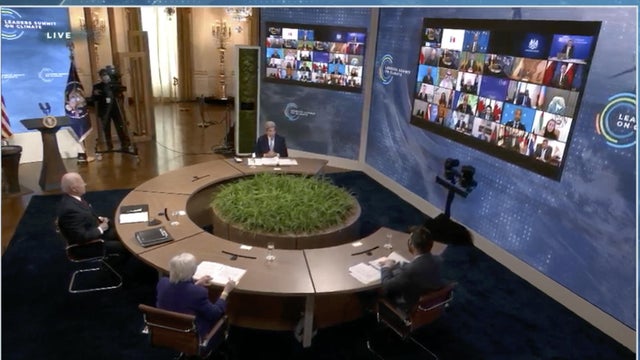
"For the intelligence community, climate change is both a near-term and a long-term threat that will define the next generation," Haines said during a session of the Biden administration's virtual Summit on Climate.
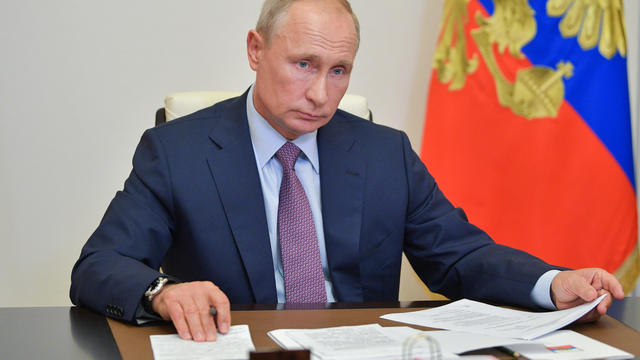
Russia said it was retaliating for sanctions issued by the Biden administration Thursday
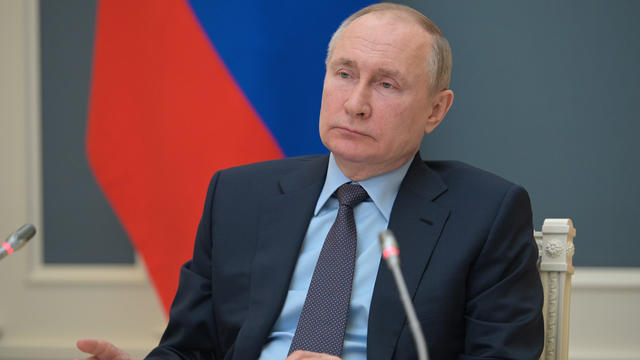
The sanctions target more than 30 Russian entities and include the expulsion of 10 Russian officials.
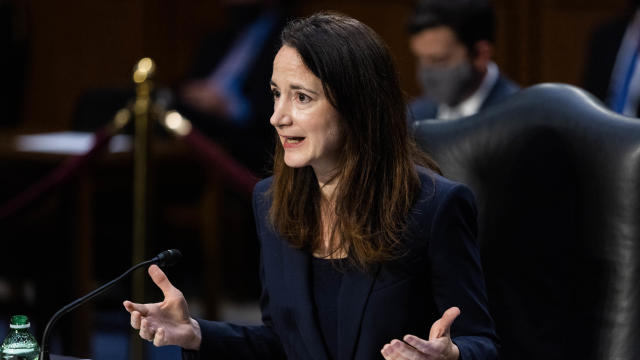
Top U.S. intelligence and law enforcement officials testified before the Senate about worldwide threats facing the nation.

Microsoft said it hadn't seen the vulnerabilities used against customers and issued a new patch.
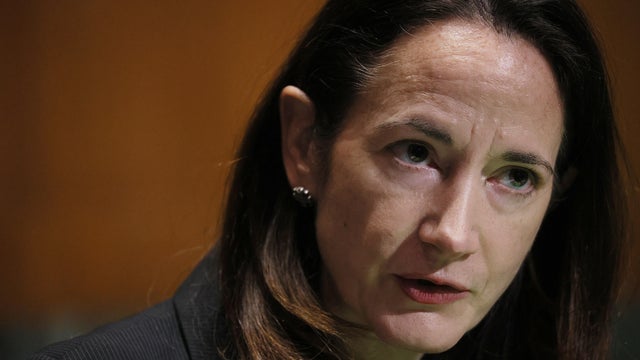
A new report says China, Russia, Iran and North Korea will seek to challenge U.S. interests in different arenas and on multiple levels.
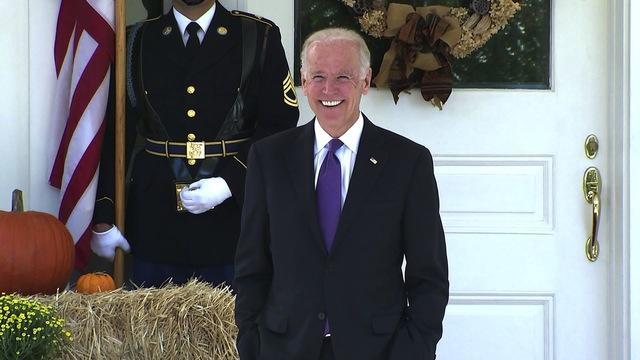
Absent from his list of DHS appointments is a director for Immigration and Customs Enforcement.
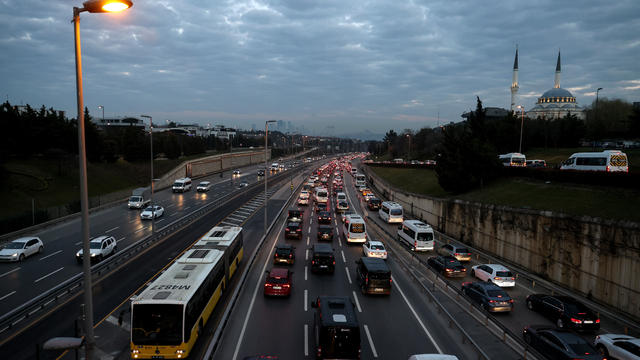
The more frequent and intense challenges are likely to put even more stress already brittle governments and international organizations, the report says.
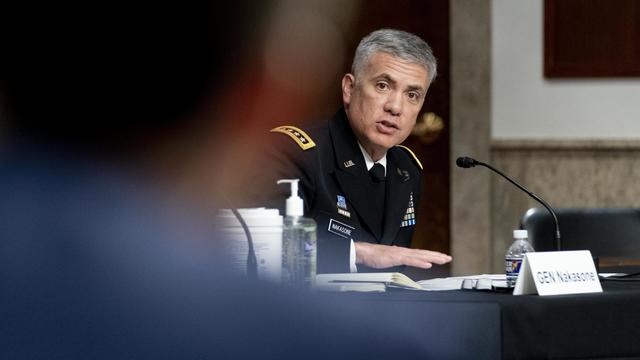
General Paul Nakasone said U.S. Cyber Command conducted "more than two dozen" operations to counter foreign attempts to interfere in the 2020 elections.
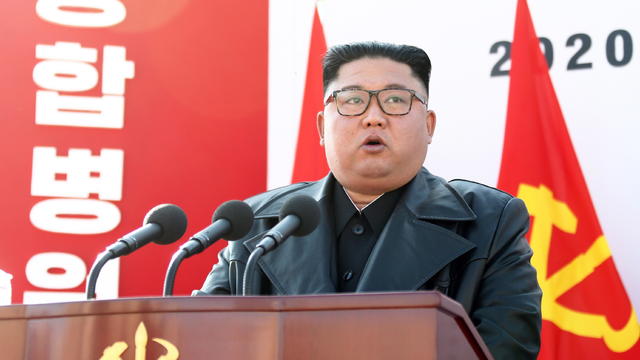
Senior administration officials said it was "normal" activity for North Korea and the actions were not covered under United Nations Security Council resolutions that put limits on the country's nuclear program.
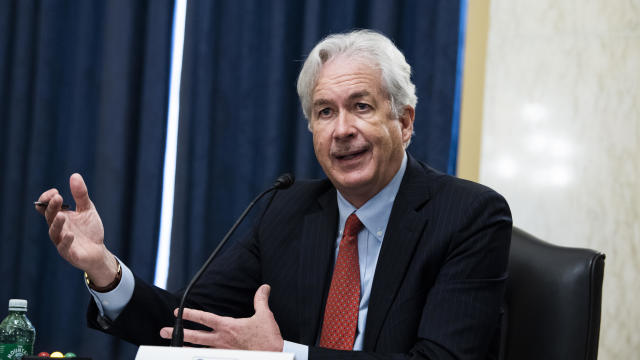
Senators approved Burns' nomination by unanimous voice vote, weeks after the Senate Intelligence Committee voted to advance his bid.
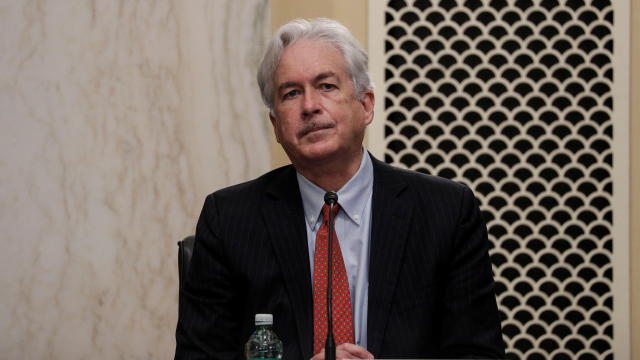
Burns, who would be the first career diplomat to lead the spy agency, appeared before senators for his confirmation hearing on Wednesday.
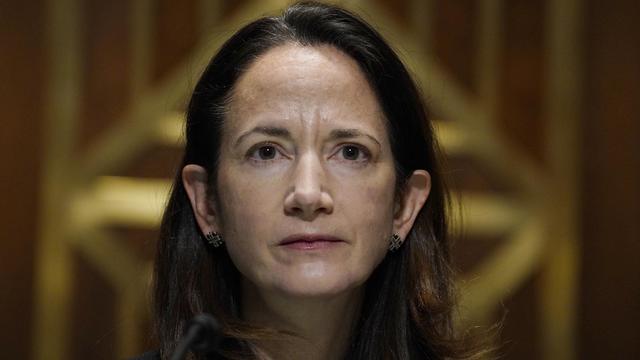
"The DNI must never shy away from speaking truth to power," she said in her confirmation hearing." "Even, especially, when doing so may be inconvenient or difficult."