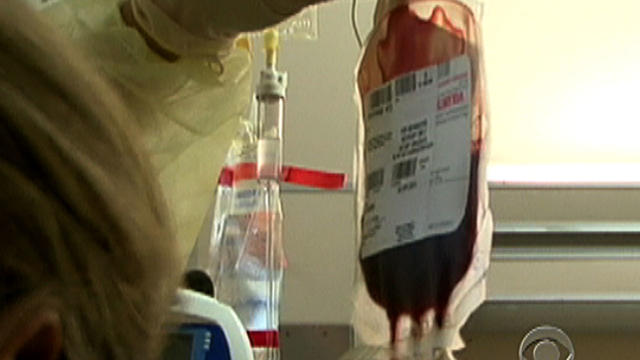
New cancer treatment reprograms immune system
In a small study, scientists succeed in reengineering a patient's own T-cells to attack cancer cells
Watch CBS News
Jon LaPook, M.D. is the award-winning chief medical correspondent for CBS News, where his reporting is featured on all CBS News platforms and programs.
Since joining CBS News in 2006, LaPook has delivered more than 1,200 reports on a wide variety of breaking news and trending stories in the health and medical fields, as well as feature stories on music, lifestyle and profiles of entertainment stars. LaPook's work has appeared on "CBS Sunday Morning," the "CBS Evening News," 60 Minutes, "CBS Mornings," "Face The Nation with Margaret Brennan" and CBS News Radio.
LaPook reported extensively on COVID-19 and delivered near-daily updates at the height of the pandemic on the spread of the virus and what was being done to stop it. Over the years, he has covered both international and national health issues, including the devastating 2010 earthquake in Haiti and ensuing cholera outbreak, the outbreaks of Ebola and Zika and the aftermath of Hurricane Maria in Puerto Rico, and a wide range of health topics such as Alzheimer's, cancer, cardiovascular disease, obesity, mental health, gun violence, vaccine hesitancy, AIDS, traumatic brain injury and health care inequity.
His interviews include President Obama on health care reform, Aly Raisman about the U.S.A. Gymnastics sexual abuse scandal, and Dr. Anthony Fauci, CDC Director Dr. Rochelle Walensky and NIH Director Dr. Francis Collins about a variety of public health problems. For more than a decade, he documented a couple's journey dealing with Alzheimer's disease. He has done multiple segments profiling health issues involving celebrities such as Ryan Reynolds, Angelina Jolie, Gilda Radner, Bob Saget, Alan Alda and Marcia Cross. He reported on the challenges medical professionals face in dealing with long COVID; he's profiled frontline health care workers; he's interviewed producer Phil Rosenthal and actor Ray Romano about the health benefits of travel, and interviewed Norman Lear, his father-in-law, about the challenges of facing a pandemic at the age of 98.
LaPook is also professor of medicine at the NYU Grossman School of Medicine, and an internist and gastroenterologist at NYU Langone Health. He is the creator and executive director of the NYU Langone Empathy Project, which seeks to promote a culture of empathy in medicine. In May 2022, he gave the commencement address for the classes of 2020 and 2021 at the Harvard T.H. Chan School of Public Health and spoke about the importance of empathy in health care.
LaPook's work at CBS News has earned him five Emmy Awards. He earned Emmy honors in 2012 for covering the national shortage of cancer drugs; he was part of the team that won for the 2013 coverage of the Boston Marathon Bombings; he earned two for his work on "CBS Sunday Morning;" and in 2021 as part of the team that earned "CBS Morning's" "Outstanding Live News Program."
In 2020, LaPook was awarded a Drama Desk Award for his work as medical contributor to "Stars in the House," keeping the theater community informed throughout the coronavirus pandemic.
In 2018, The Alliance for Women in Media awarded him a Gracie Award in the News Feature Series category for two groundbreaking 60 Minutes reports on the U.S.A. Gymnastics sexual abuse scandal. That same year he was named a George Foster Peabody Awards finalist for his 60 Minutes work on the scandal. He has won two Edward R. Murrow Awards: in 2007 and 2013. He earned a New York Press Club Award for Journalism for a WCBS-AM News Team Special, "Eye on Ebola." In 2010, he was recognized by the Webby Awards for his documentary series "CBS Doc Dot Com."
In the medical field, LaPook works to weave media and the arts into training, with an eye on enhancing the experience between healthcare professionals and their patients. He has also done extensive work in the field of medical computing, including writing a medical practice management software package that he sold in 1999 to a company that was later acquired by Emdeon Corporation, the parent company of WebMD.
Born in Mineola, N.Y., LaPook graduated with honors from Yale University and received his M.D. from Columbia College of Physicians and Surgeons, where he was elected to AOA, the national medical honor society. He completed his residency in internal medicine and fellowships in gastroenterology and medical informatics at Presbyterian Hospital in New York City.
In a small study, scientists succeed in reengineering a patient's own T-cells to attack cancer cells
It's the 5th most common cancer in the U.S., but in a troubling study, just one patient in 4,500 got the recommended treatment
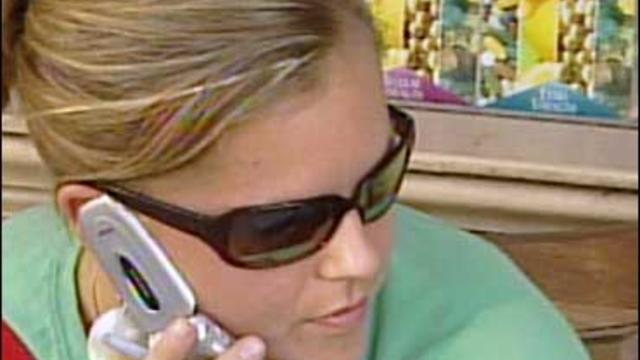
A new study says that cell phone use among those under 20 years old did not greatly increase the risk of a brain tumor
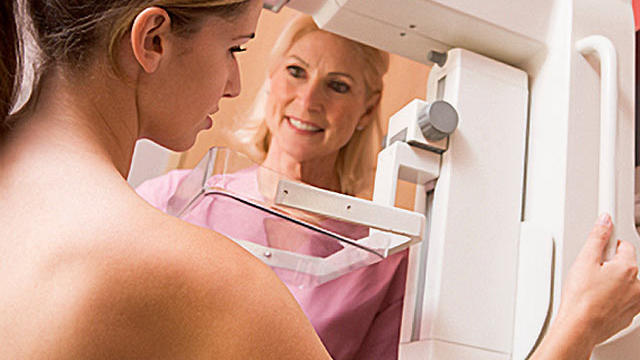
Latest medical recommendation reverses controversial government finding that women are OK starting regular mammograms later
Surprising results when an architect decides to limit employee texting, email, Internet use and multitasking
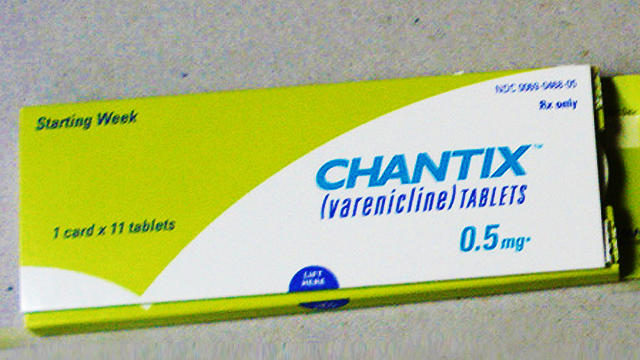
New analysis finds the widely used drug may increase the very thing smokers are trying to avoid by quitting
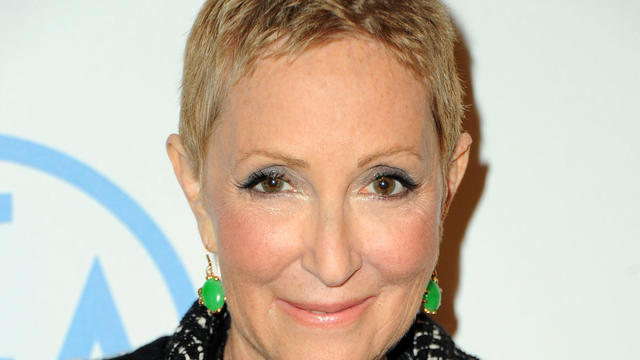
"Spider-Man" producer and Stand Up To Cancer co-founder dies after battling breast cancer
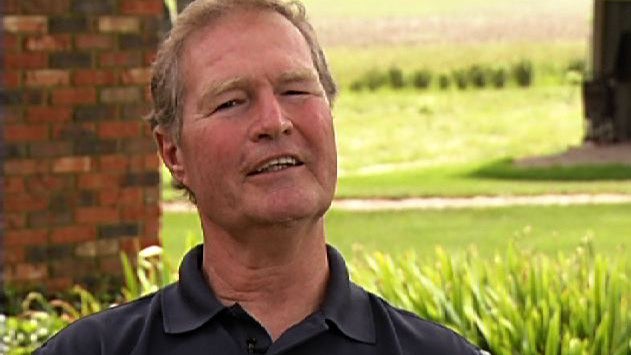
Studies show dramatic results in treating melanoma, lung cancer with drugs tailored to a person's genetic makeup
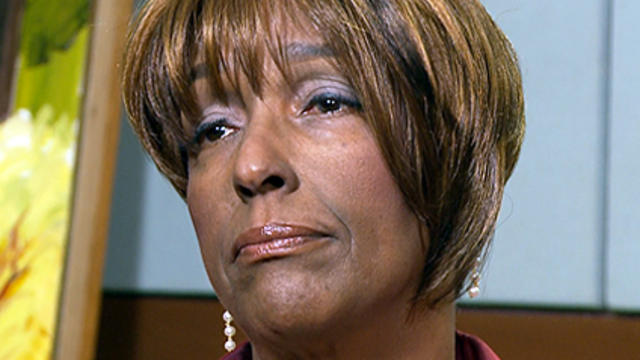
Watching a video about the final days of an illness was an eye-opener for pancreatic cancer patient Bernadette Wilson
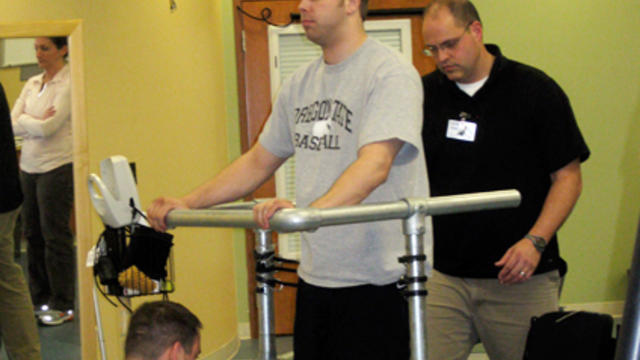
Electrical stimulator implant allows man to move his legs without input from brain -- therapy could fundamentally change treatment of paralysis
Nearly 15 million Americans provide nearly 17 billion hours of unpaid Alzheimer's care annually
Multiple myeloma sufferer's work has helped fund new drugs that have extended lives of Geraldine Ferraro and so many others
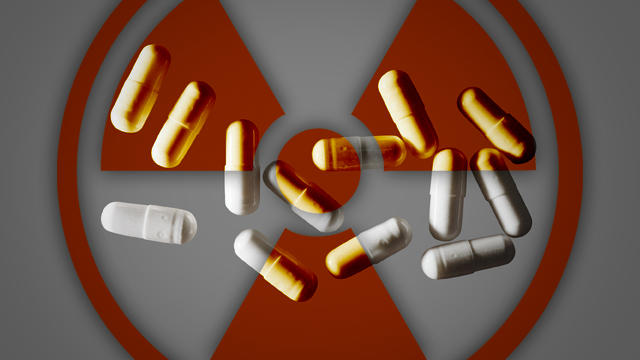
Dr. Jonathan LaPook explains that radiation from Japan will not harm anyone in the U.S. and iodide pills are unnecessary
Dr. Jon LaPook explains how radiation can damage human cells and puts what's happening in Japan in perspective
A retinal-replacement device is approved for use in Europe; the U.S. Food and Drug Administration may not be far behind