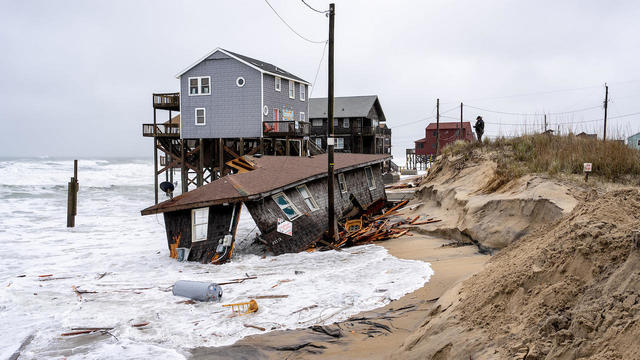
How climate change is threatening homes on North Carolina's barrier islands
In the last four years, the Atlantic Ocean has toppled 10 homes on Hatteras Island. Residents are grappling with an unknown future.
Watch CBS News

In the last four years, the Atlantic Ocean has toppled 10 homes on Hatteras Island. Residents are grappling with an unknown future.
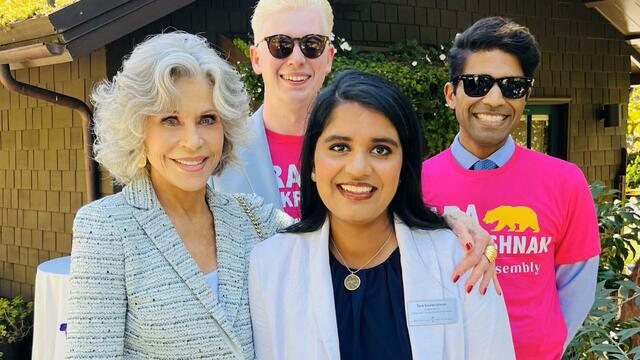
Jane Fonda is going door-to-door to help local candidates win their races.
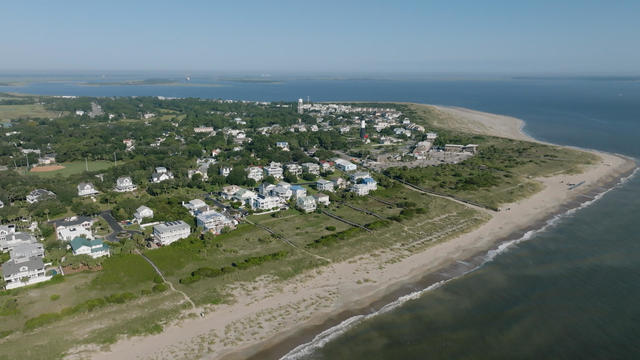
Research shows 70% of Americans think global warming will hurt future generations and 62% say Congress should do more about it. Why do many elected officials vote against efforts to combat climate change?
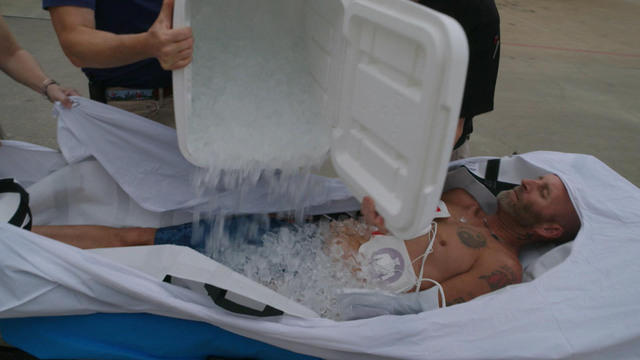
The National Association of EMS Officials recommends "Cool First, Transport Second" for patients whose body temperature is over 104 degrees.
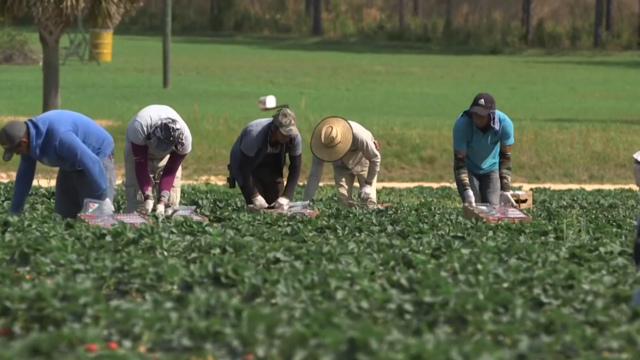
While five states have laws in place protecting workers from excessive heat, for decades there have been no federal protections.
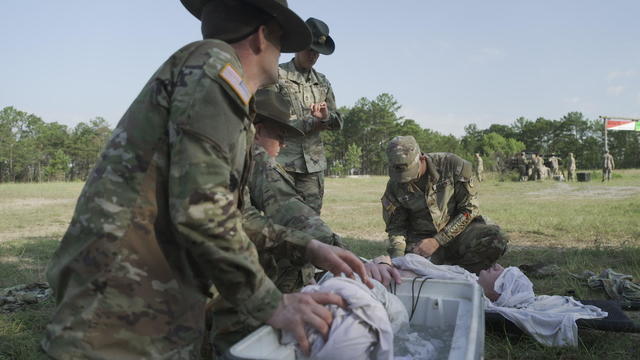
Your body cools itself through the skin. Dunking your forearms, which represent 10% of the skin's surface area, in ice cold water turbo-charges the cooling process.
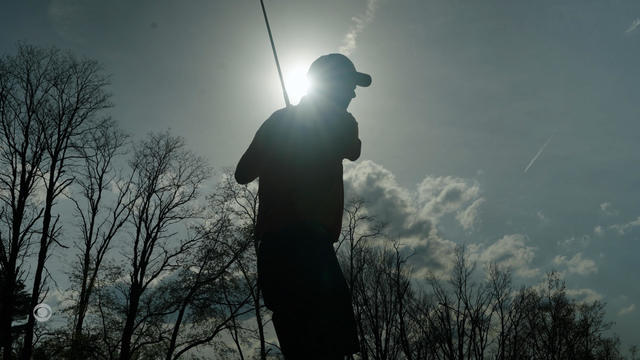
As temperatures rise, new research shows critical limits for how heat affects the body may be lower than previously thought. Humidity is a big factor.
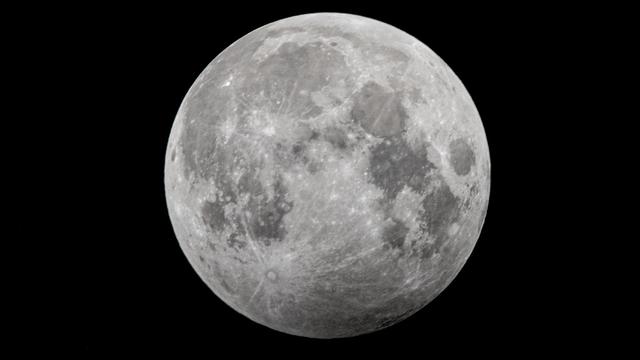
A process called cryopreservation allows cells to remain frozen but alive for hundreds of years. For some animal cells, the moon is the closest place that's cold enough.
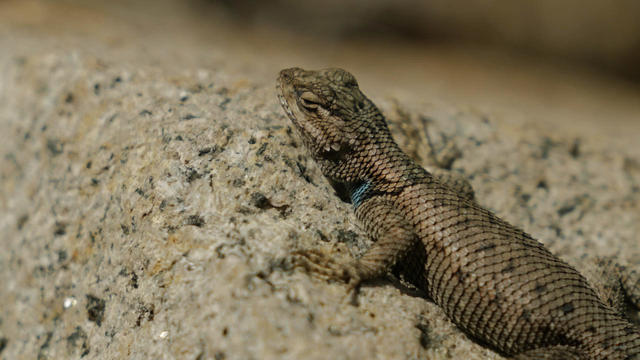
A disappearing lizard population in the mountains of Arizona shows how climate change is fast-tracking the rate of extinction.
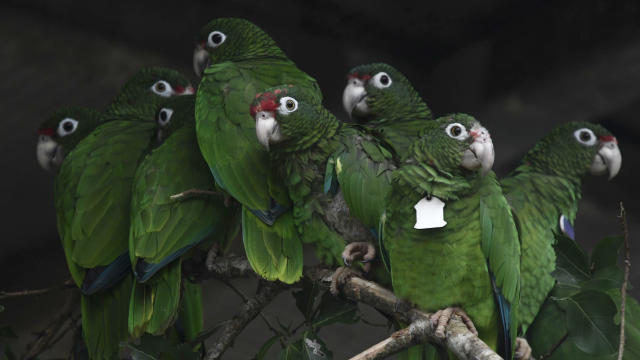
Scientists are using a range of tools to protect the endangered wildlife that could disappear in coming decades.
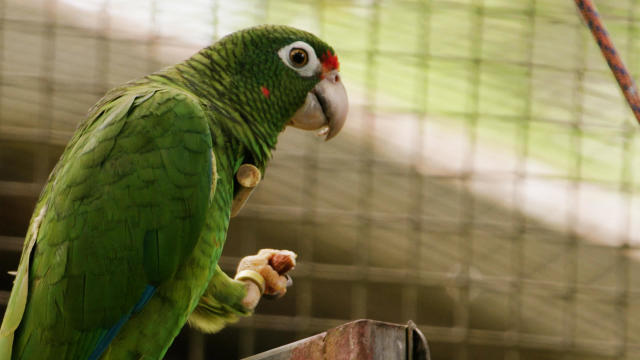
Hurricane Maria nearly wiped out an endangered parrot in Puerto Rico, highlighting the grave threat climate change-fueled storms pose to endangered species.
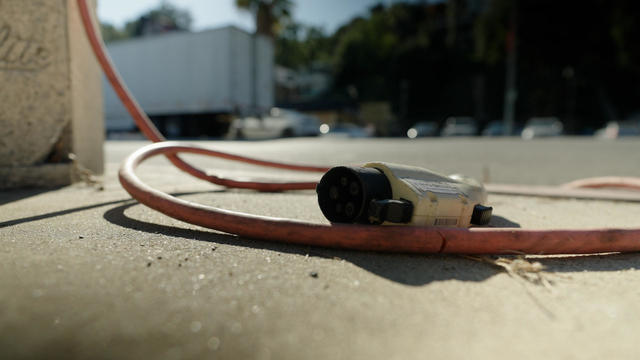
The U.S. needs more than a million public chargers by 2030, but only a fraction of that number currently exists. Los Angeles is using light poles to help fill the gap.
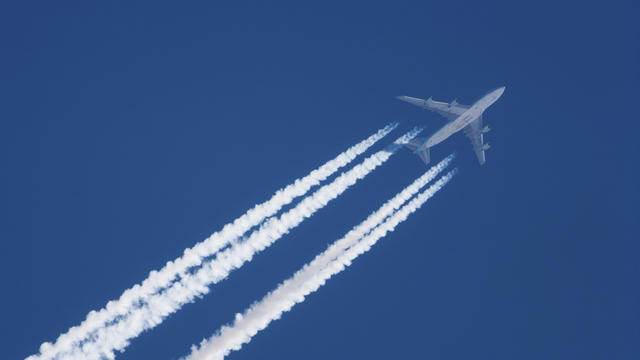
Feathery white lines of condensation left behind airplanes, known as contrails, add to warming the planet. A new study suggests artificial intelligence could dramatically reduce them.
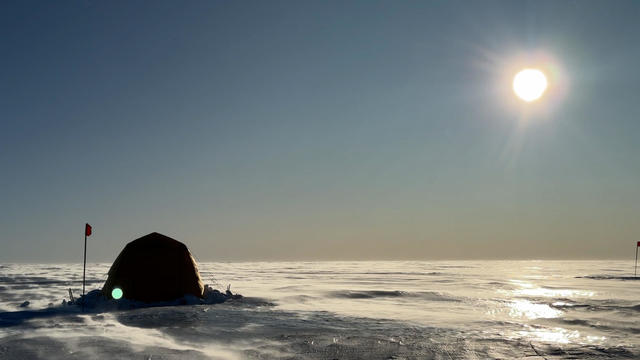
Their work near the South Pole means camping on the ice without showers or flushing toilets for seven weeks — but what we can learn about climate change there is essential to science.
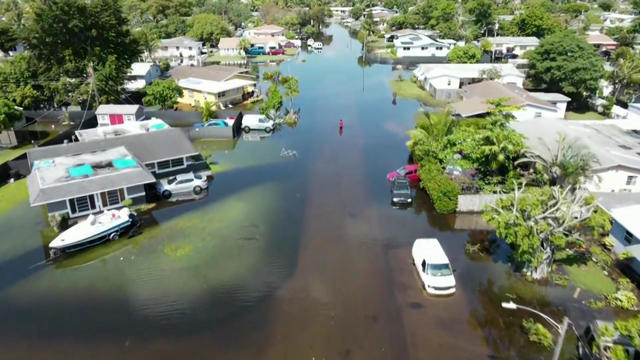
New data finds the impact of climate change on coastal flooding could increase five-fold by the end of the century, leading to major property and infrastructure losses.