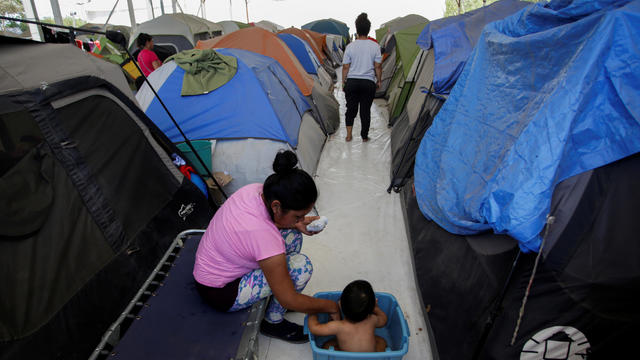
U.S. extends coronavirus border restrictions indefinitely
Border officials have used the public health order to expel more than 20,000 unauthorized migrants — including unaccompanied children.
Watch CBS News

Border officials have used the public health order to expel more than 20,000 unauthorized migrants — including unaccompanied children.
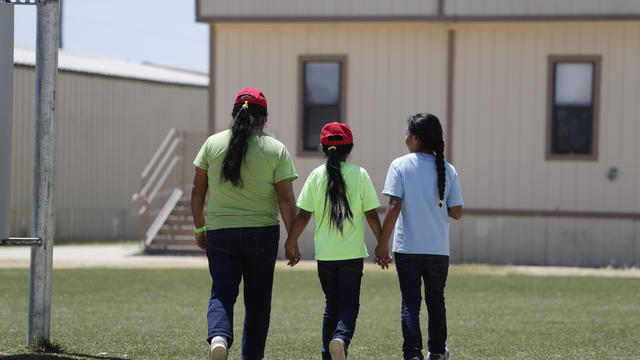
A federal judge has ordered ICE to seek the prompt release of all minors in its custody. The agency detains migrant families with children.
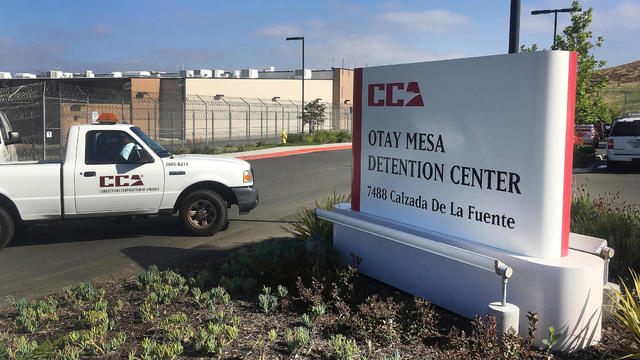
"My heart still hurts. I can't sleep at night because I'm desperate," said the sister of an ICE detainee who died of coronavirus complications.
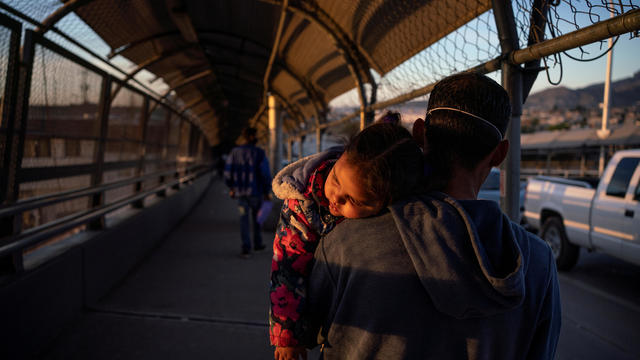
More than 20,000 migrants, including unaccompanied children, have been expelled from the southern border under the emergency directive.
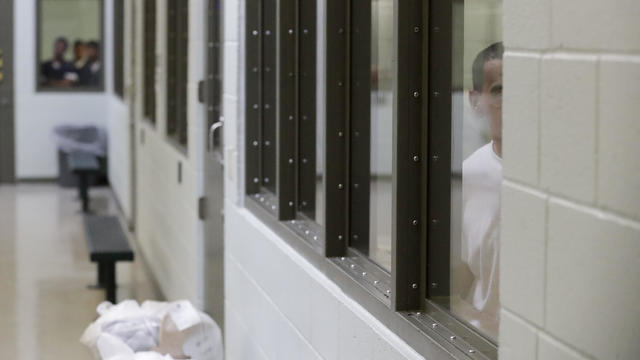
At least 788 immigrants in ICE custody have tested positive for coronavirus across the country.
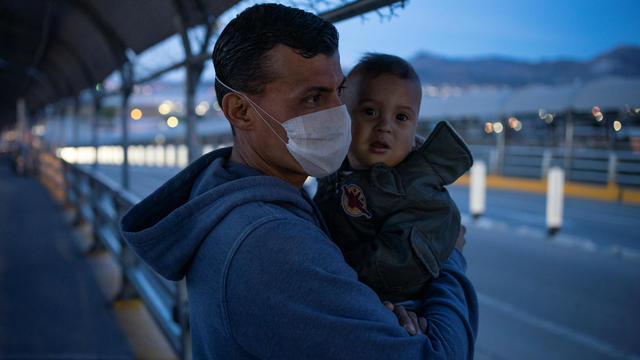
More than 90% of the families, children and single adults that Border Patrol encountered in April were expelled under a public health order.

In the last 11 days of March alone, officials expelled at least 299 unaccompanied children under a CDC public health order.
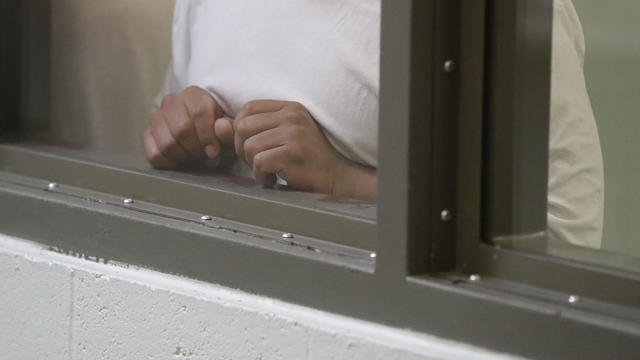
It is the ninth time since a national emergency was declared that staff at detention centers used pepper spray on protesting ICE detainees.
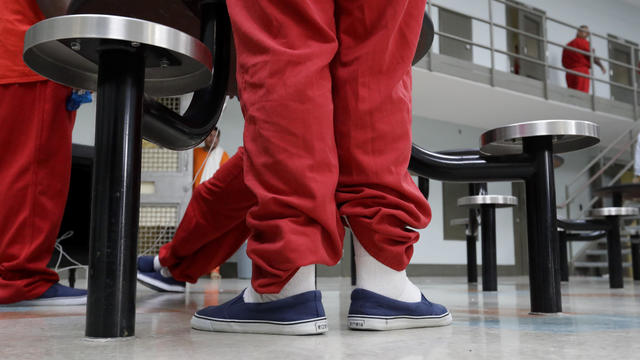
"We leave our families, fleeing our home countries to try to save our lives. And then we come here and die while imprisoned," one asylum-seeker told CBS News.
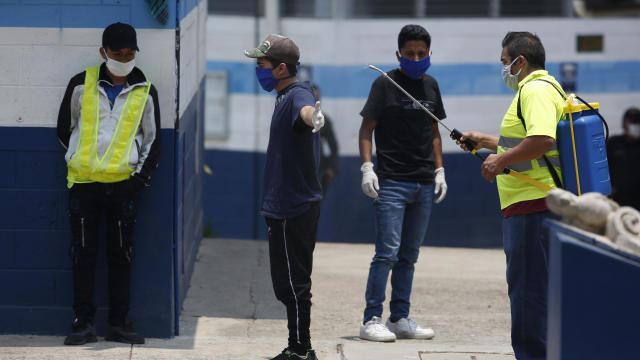
At least 99 of Guatemala's 500 COVID-19 cases are among deportees. Experts fear U.S. continuing its policy could overwhelm Guatemala's small public health system.
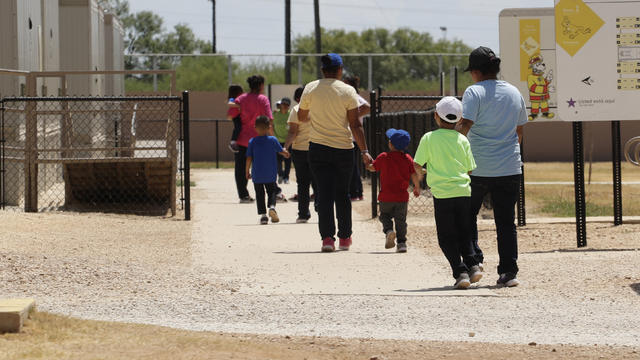
The judge ordered officials to promptly release children with sponsors from immigrant detention facilities, where the coronavirus has spread in recent weeks.
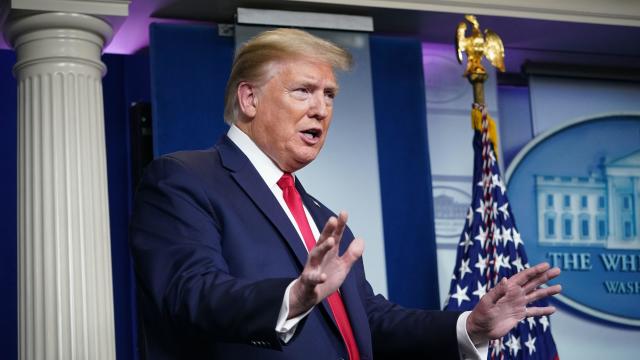
Some 52,000 would-be immigrants could lose the opportunity to move to the U.S. over the next two months under the order, according to one estimate.
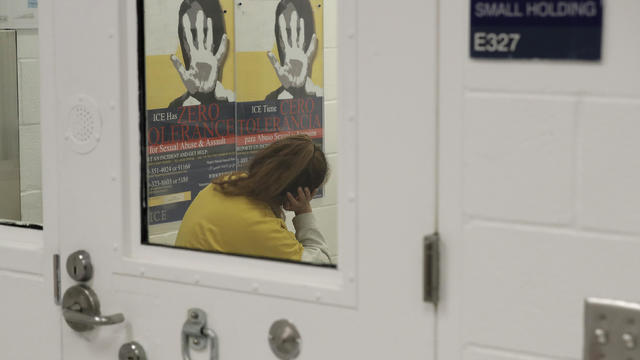
"There's fear among all of us," Marco, a Cuban asylum-seeker detained in Louisiana, told CBS News.
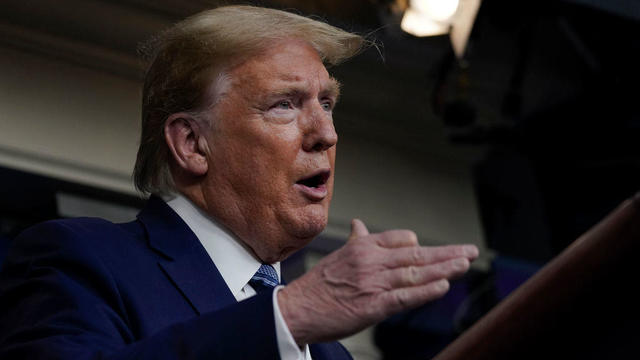
The president said the move is necessary to protect American workers reeling from an economy battered by the coronavirus pandemic.

U.S. Judge Jesus Bernal required ICE to consider releasing immigrants over 55, pregnant women and detainees with chronic health conditions