
Silicon Valley startup's rogue effort to cool planet met with controversy
A strategy to cool the planet using stratospheric aerosol injection is being tested in the field by a pair of Silicon Valley entrepreneurs.
Watch CBS News

A strategy to cool the planet using stratospheric aerosol injection is being tested in the field by a pair of Silicon Valley entrepreneurs.
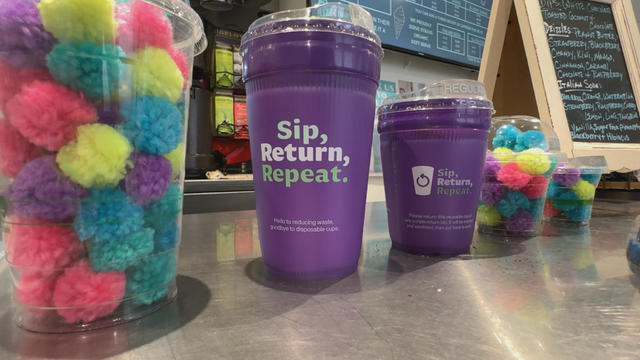
An innovative pilot program underway in Petaluma may serve as a roadmap for the rest of the world on an approach to reduce single-use plastic waste and limit the risks to our planet.
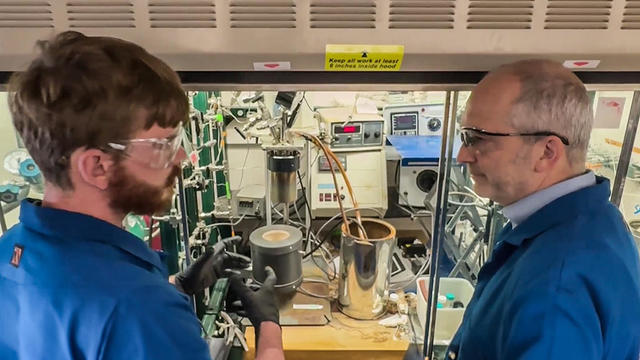
A new process to recycle existing plastics indefinitely and reduce the flood of plastics into landfills is being developed by scientists at the University of California, Berkeley.
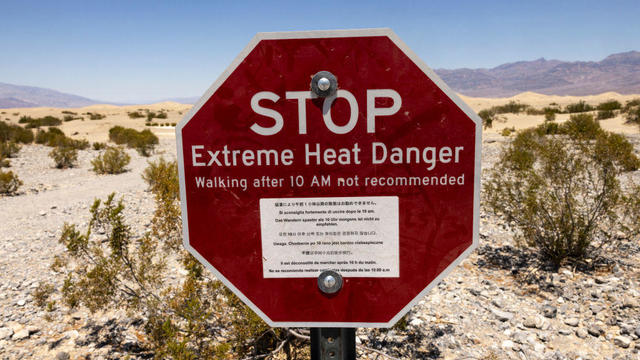
2023 was the hottest year on record but scientists are expecting this year will surpass it given the blistering summer heat wave that had California and many Bay Area counties setting new records.
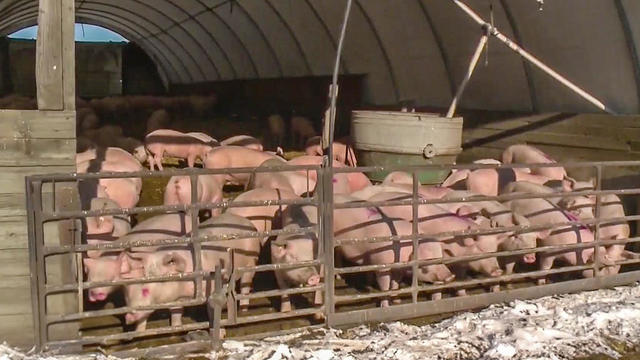
A bill that could overturn the will of California voters is making its way through Congress.
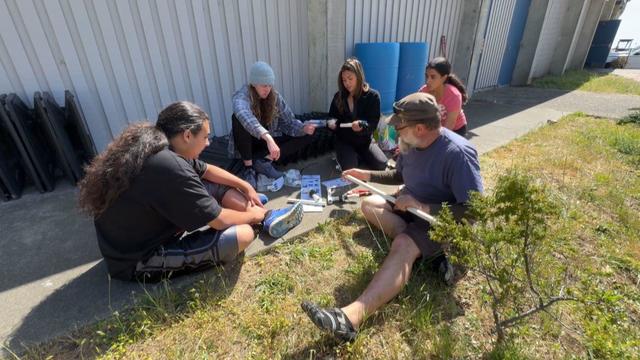
Students on the San Francisco Peninsula are taking advantage of a program that teaches lessons on climate change and building projects that mitigate its effects on the community.

With so much focus on old age, scientists are hoping to crack the code on longevity but they need some help.

Climate experiments, such as using sea salt particles to test potential cloud brightening, will continue to be funded as more communities urgently seek solutions for a heating planet.

A widely criticized bike lane that runs down the middle of a San Francisco street might be moved less than a year after it was installed.
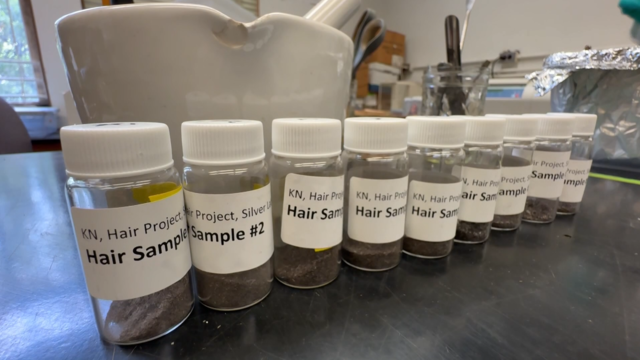
Researchers at UC Berkeley and ecologists at the Presidio in San Francisco are digging into the question: can human hair supercharge the soil on our farms and fields and help us fight the impacts of climate change?
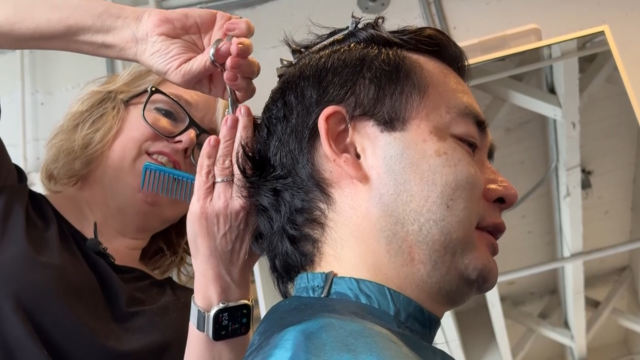
Scientists are saying human hair could be the biggest sustainable textile on the planet that can be used to address some major issues linked to climate change.
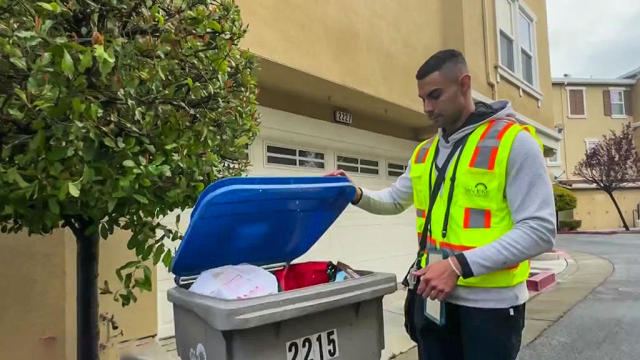
Most recyclables are ending up in landfills but one Bay Area city is hoping to remedy that situation with the help of its community.

Some people think they're spooky and sinister, but bats play a critical role in maintaining California's ecosystem as well as the state's valuable agriculture industry. Now climate change is threatening their populations.
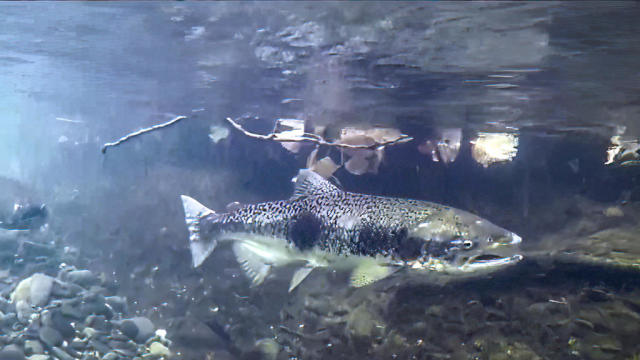
More than 100 years ago, wild winter-run Chinook salmon from the icy cold McCloud River ended up in the glacially cold mountain waters of New Zealand, where they continue to thrive today.
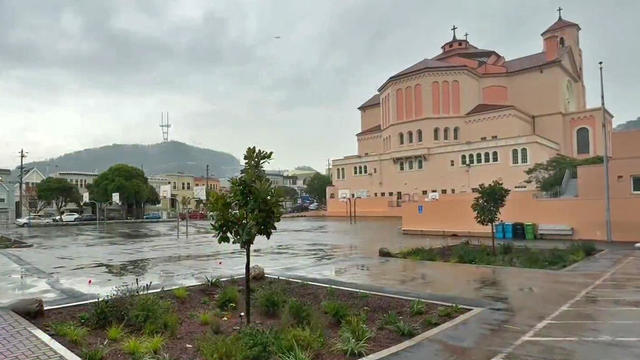
On average, over 10 billion gallons of rain falls in San Francisco every year. Add climate change and more extreme weather to the mix combined with the city's antiquated sewer system and you can have flooded streets and backed up drains.