London police use tech to tackle masked phone snatchers
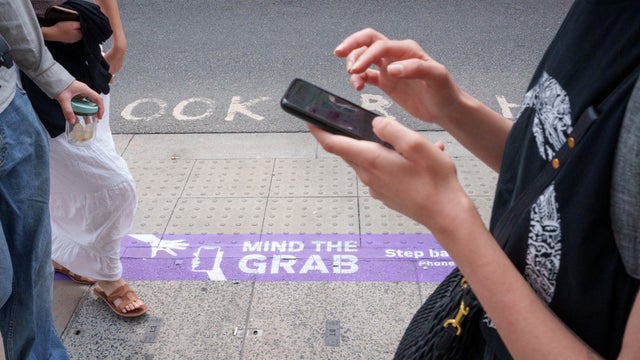
Police say fewer people in London are getting their phones stolen by criminals speeding by on bikes and mopeds thanks to a dedicated task force with an "eye in the sky."
Watch CBS News
Police say fewer people in London are getting their phones stolen by criminals speeding by on bikes and mopeds thanks to a dedicated task force with an "eye in the sky."
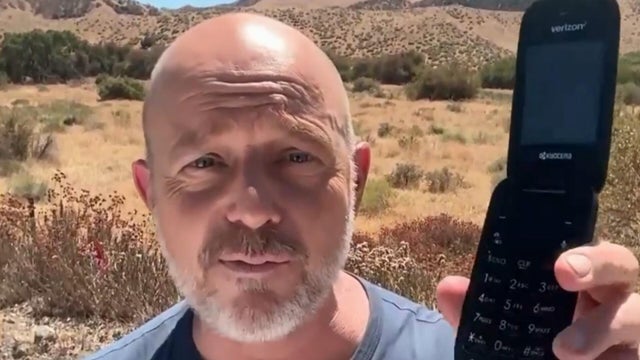
California's Republican nominee for governor, Steve Hilton, is releasing new policy proposals in his campaign against Democratic rival Xavier Becerra, calling for the state to ban smartphones in schools. Hilton joins "The Takeout" to discuss.

"It really opens up your mind," said one 23-year-old who ditched smartphones to wean herself off social media.
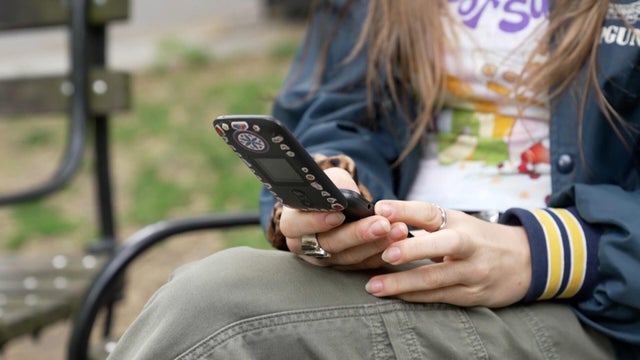
Gen Z grew up glued to smartphones, but a growing number are choosing to disconnect. They're ditching social media and, in some cases, their smartphones altogether. CBS News' Maya Blackstone reports.

A new study looks at teenagers who often believe parents are distracted by their devices. Those teens say they feel less emotionally connected to their parents. Psychologist Dr. Sheryl Ziegler breaks down how families can manage their screen time.

When parents and educators in Greystones, Ireland saw children dealing with increasing anxiety, they acted – and took phones out of the equation.
A village in Ireland started a community-wide initiative to bring back smartphone-free childhoods. Parents voluntarily agree to hold off on giving their children smartphones until they are in middle school. CBS News' Leigh Kiniry has more.

Some young people are opting to go phone-free to live in the moment. USA Today youth mental health reporter Rachel Hale went to an underground, phone-free party in New York City and wrote about her experience. She tells "The Daily Report" about it.

When ads pop up on your phone for products after you've happened to mention them, is it an indication that advertisers are eavesdropping on you? David Pogue checks out why highly-targeted advertising sometimes gets weirdly specific.

How much money could you make if you were given $10,000 to gamble on sports? That's what The Atlantic's McKay Coppins sought to answer in his latest piece: "My Year as a Degenerate Gambler." Coppins joins "The Takeout" to recount the experience.

For a period of one week, three New Jersey teens agreed not to take their phones to bed, and to try different tools to reduce screen time during the day. Meg Oliver has the story.

As parents grapple with their children's technology use, new guidance goes beyond individual behavior to approach the digital ecosystem.

As parents grapple with their children's technology use, new guidance goes beyond individual behavior to approach the digital ecosystem. Meg Oliver has details.

For thousands of parents in 39 countries, including the U.S., the goal is simple: More time outdoors, and a childhood lived offline as much as possible.

A U.K. couple started with a simple message, asking on Instagram if other parents could ban together to start a smartphone-free childhood. It's now grown to a global movement, with a chapter in 39 countries. Leigh Kiniry reports.

New research suggests there are real health risks from heavy use of popular social media apps like TikTok and Instagram. Dr. Nidhi Gupta, pediatric endocrinologist and CEO of the digital wellness nonprofit Phreedom Foundation, joins to discuss.

Jon Wertheim travels to Switzerland's Vallée de Joux, known as "Watch Valley," where top brands have been refining the art of mechanical watchmaking for centuries. It's a curious time for luxury timepieces as the industry navigates the smartphone era and President Trump's tariffs. Sunday.

India's government, amid an uproar over privacy, has revoked an order quietly issued to smartphone makers to pre-install a state-run security app.
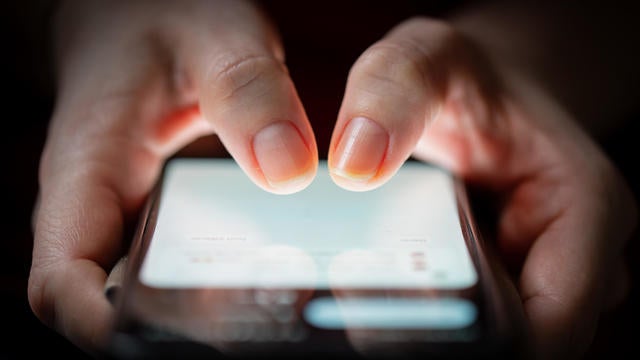
Children and adolescents who own smartphones by age 12 have higher risks of depression, poor sleep and obesity, according to a new study.

A new study is strengthening the case to hold off on giving your child a smartphone at a younger age. Dr. Ran Barzilay, the study's lead author and child psychiatrist at Children's Hospital of Philadelphia, breaks down the findings.

Clinical psychologist Dr. Sheryl Ziegler, author of "The Crucial Years," joins "CBS Mornings Plus" to explain the dangers of giving kids smartphones too early and share advice for parents.

The exemptions, published late Friday in a notice by the U.S. Customs and Border Protection office, cover various electronic goods, including smartphones.

Research has shown that smartphone addiction causes major increases in brain activity, requiring the brain to work harder to complete simple tasks.

Research is showing that smartphone addiction can lead to "brain rot," requiring the brain to work harder to complete simple tasks. Meg Oliver has more on why doctors are saying it is important for our mental health to learn to unplug.

Apple has unveiled the iPhone 16e, a lower-cost version of the iPhone 16. The new phone includes AI features.