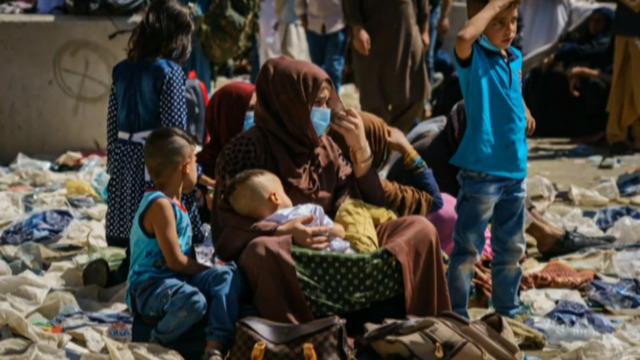
Afghan women fear for their safety under Taliban rule
Women in Afghanistan are fearful for what their lives will be like under Taliban rule. Warning: Some may find this footage disturbing. Holly Williams reports.
Watch CBS News
Women in Afghanistan are fearful for what their lives will be like under Taliban rule. Warning: Some may find this footage disturbing. Holly Williams reports.
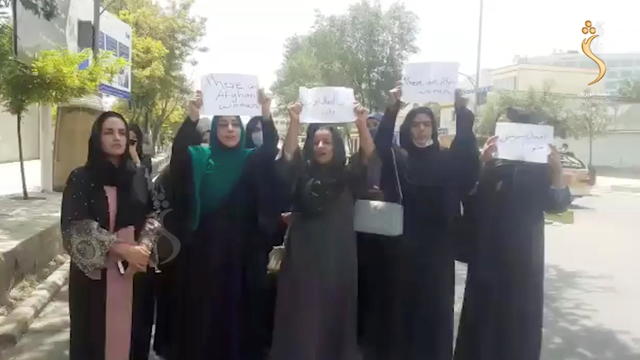
Different groups adopt different interpretations of Sharia law, and the Taliban wants the world to believe theirs has changed.
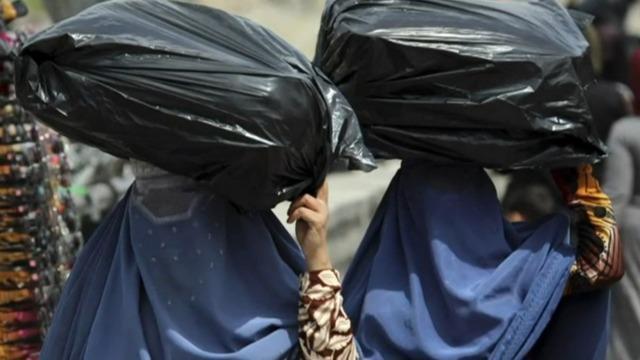
An anti-Taliban protest in Afghanistan turned deadly on Wednesday. At least one person was killed and six people were wounded by members of the militant group. Meantime, the U.S. is racing to evacuate Americans and Afghan allies as quickly as possible. CBS News' Roxana Saberi and David Martin report on the latest developments. Then Marie Clarke, vice president of global programs for the non-profit Women for Women, joined CBSN's Lana Zak to discuss what the Taliban's takeover means for the future of women in Afghanistan.
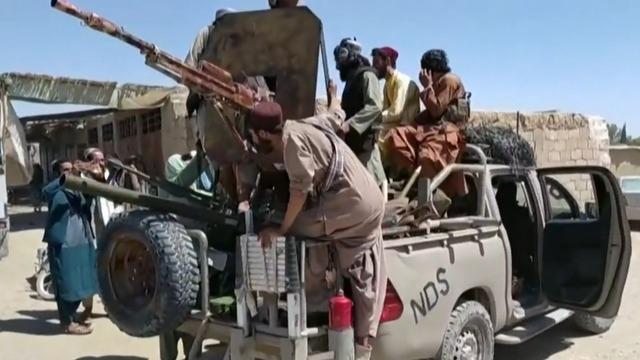
As CBS News' Roxanna Saberi and David Martin report, the Pentagon is sending troops to Kabul to help drawdown personnel at the U.S. Embassy there as the Taliban continues its offensive in Afghanistan. Then, Dr. Mike Martin, a former British army officer, joins CBSN's Michael George with his analysis.
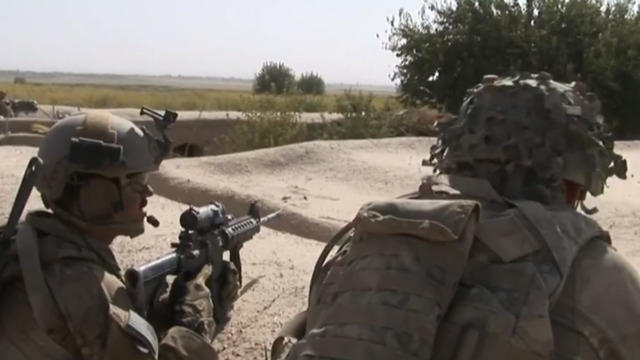
The U.S. is planning to send thousands of troops to get State Department staff out of the embassy in Afghanistan safely. The emergency move comes as a complete Taliban takeover of the war-torn country could be weeks, if not days away. Roxana Saberi has the details.
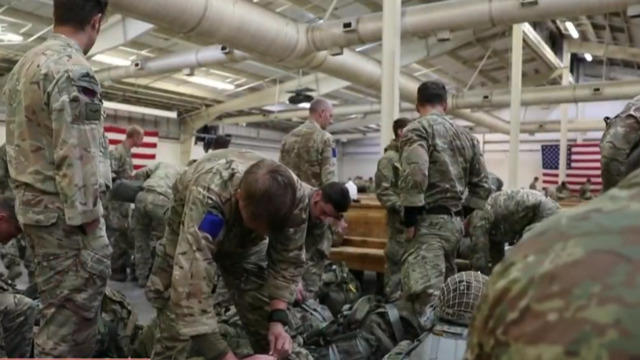
The first U.S. troops sent to help evacuate the embassy in Afghanistan are expected to arrive in the country within 24 to 48 hours. David Martin has more on the operation.
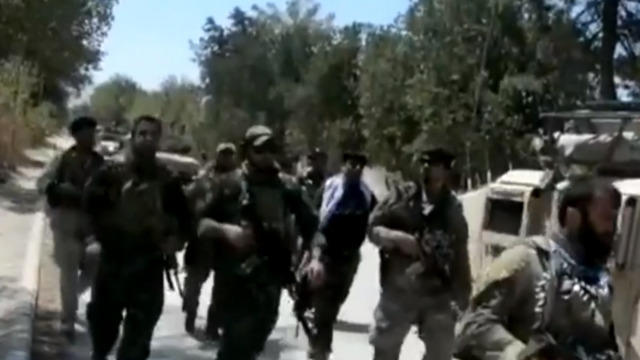
As the U.S. withdraws from Afghanistan, U.S. intelligence fears that Kabul could fall to the Taliban within 90 days. David Martin has the latest.
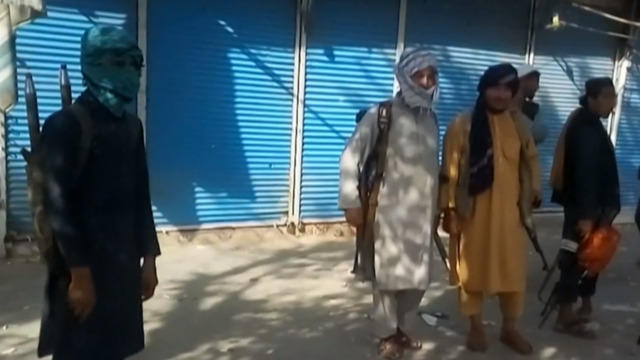
President Biden said he doesn't regret withdrawing U.S. troops from Afghanistan. This comes as Taliban forces now control an estimated 65% of the country, including up to seven regional capitals. The State Department said levels of violence in the country are unacceptably high.

Did the FDA ignite the opioid epidemic? Then, should a former terrorist be allowed into witness protection? And, China's drive to dominate the electric car industry

Homosexuality is legal in the world's most populous Muslim nation everywhere but the conservative Banda Aceh province, where Shariah law was imposed in 2015.
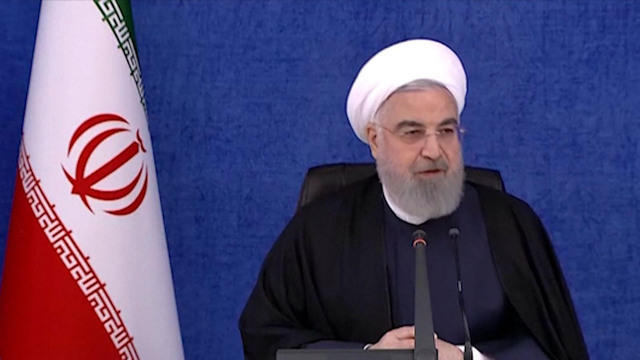
On Saturday, Iranian President Hassan Rouhani blamed Israel for the assassination of a top nuclear scientist, Mohsen Fakhrizadeh. In 2018, Israeli Prime Minister Benjamin Netanyahu singled out Fakhrizadeh in a news conference, accusing him of developing nuclear weapons. Holly Williams has more.
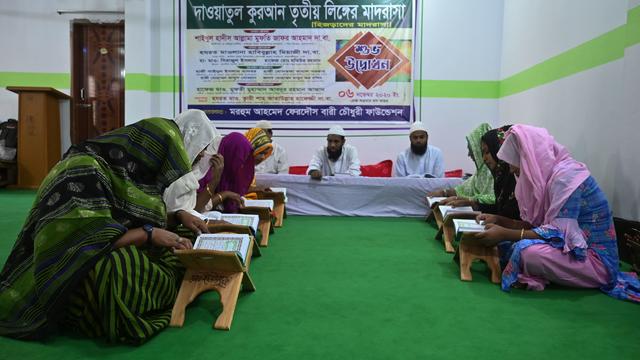
"The Quran does not treat them any differently, so why should we?" says the madrassa's founder, as LGBTQ advocates laud a "positive step," with work still to do.
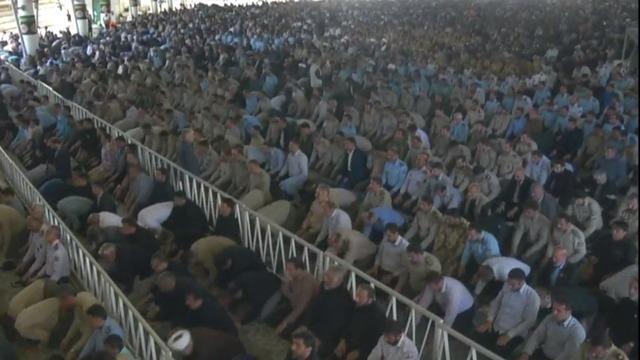
Iran has the worst coronavirus outbreak in the Middle East, ignited by large religious gatherings and further exacerbated by U.S.-led sanctions which restrict Iran from getting critical medical equipment. Officials in the country made the drastic decision to close some of their holiest sites to slow the spread of the virus. Elizabeth Palmer has more.

A stabbing attack in Paris left two people hospitalized in critical condition. The attack occurred near the former office of Charlie Hebdo, and authorities are investigating the assailant's ties to Islamic extremist groups. Charlie D'agata reports.

A rape victim must have 4 witnesses to back up their allegation under Iran's Islamic laws, so it's little wonder victims rarely speak out. But Iran's "#MeToo" moment may be dawning.

A 9-month-old baby was miraculously recovered after mudslides in Colombia that killed several people. The death toll from the mass rioting in New Delhi continues to rise. Protests have erupted on the Greek islands of Chios and Lesbos after authorities announced more permanent housing for the many refugees that have come into the region. Gwen Baumgardner rounds out the world headlines from London.
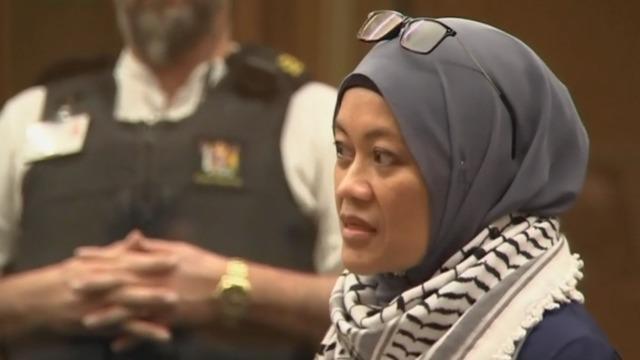
A white supremacist who killed 51 people at two mosques in Christchurch, New Zealand, has been sentenced to life in prison without parole. Prior to sentencing, survivors and family members of his victims gave emotional testimonies. Roxana Saberi reports.

Turkey's President Erdogan issued a decree on Friday formally changing the status of the Hagia Sophia from a museum to a mosque. The decision was met with controversy as the historical landmark has roots in both Christianity and Islam. Holly Williams reports.

In the aftermath of Donald Trump's controversial executive action, a look at the major athletes, musicians and public figures who follow the religion of Islam
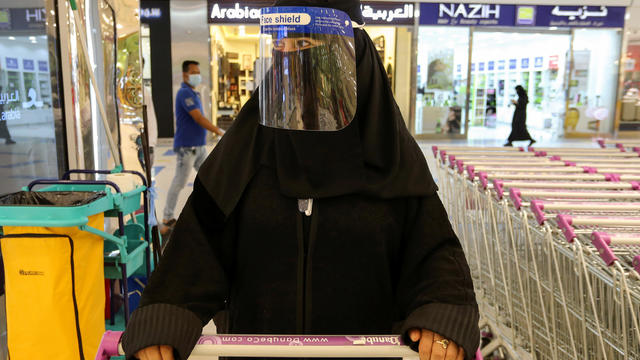
Number of COVID-19 cases recorded daily has doubled across the kingdom since restrictions were eased, making the massive hajj Muslim pilgrimage unlikely.
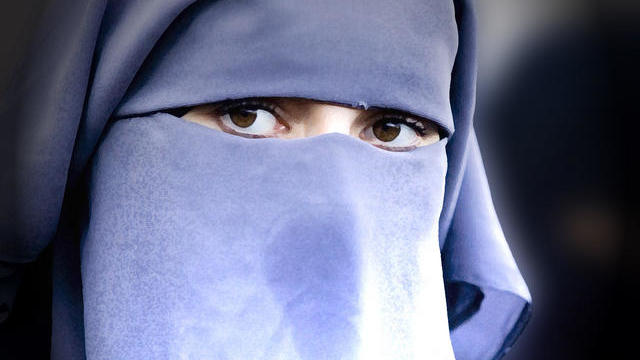
All citizens must wear a mask — but women in face-covering Islamic garb could be punished.
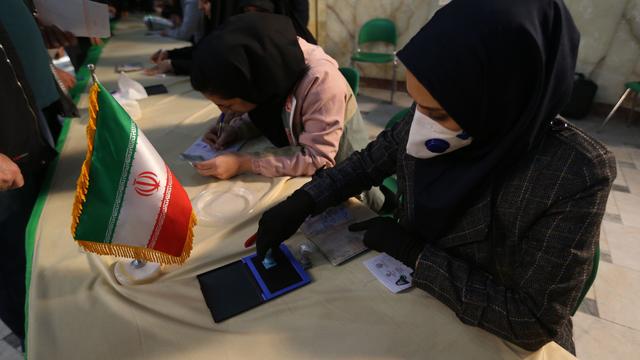
After violently quashed anti-government protests and amid fears that leaders are lying about coronavirus cases, less than 43% turned out to vote.
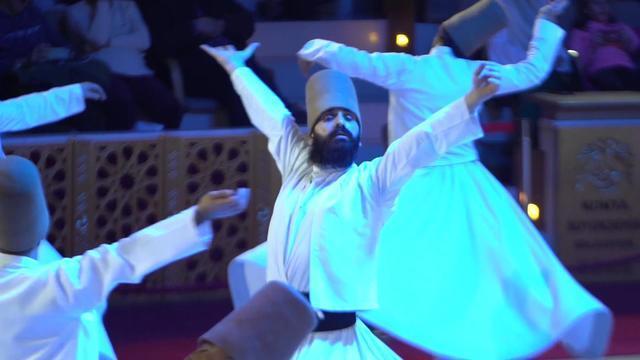
Sufi Muslims practice a form of prayer that requires the faithful to spin until they've reached a kind of religious ecstasy.
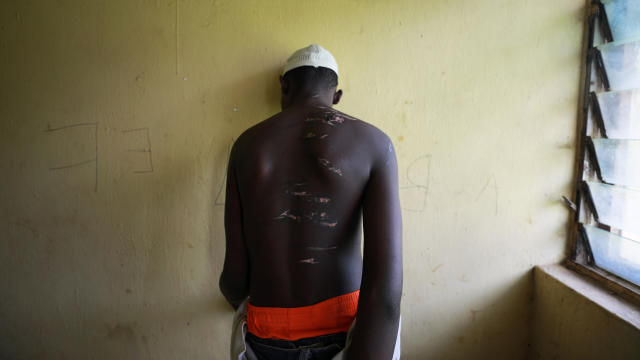
Disturbing accounts expose abuse and torture of boys and young men at religious facilities in northern Nigeria
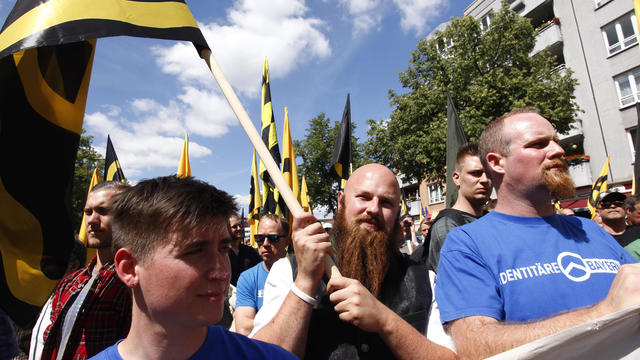
Fringe nationalist group, which has spread in the U.S. and Europe in recent years, will be monitored more carefully now by Germany's domestic spy agency