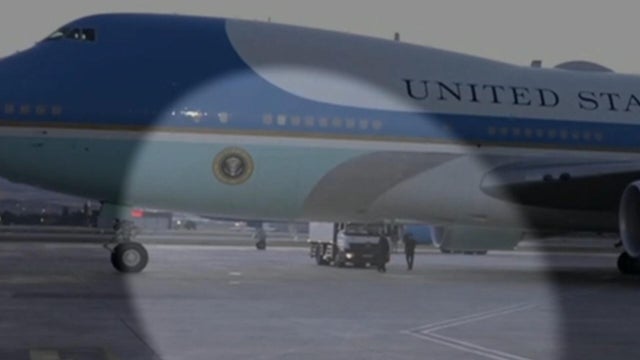
More details on Trump's secret plane switch
More details are emerging about President Trump secretly switching planes in Turkey last month after a credible threat against Air Force One. CBS News' Aaron Navarro has more.
Watch CBS News
More details are emerging about President Trump secretly switching planes in Turkey last month after a credible threat against Air Force One. CBS News' Aaron Navarro has more.
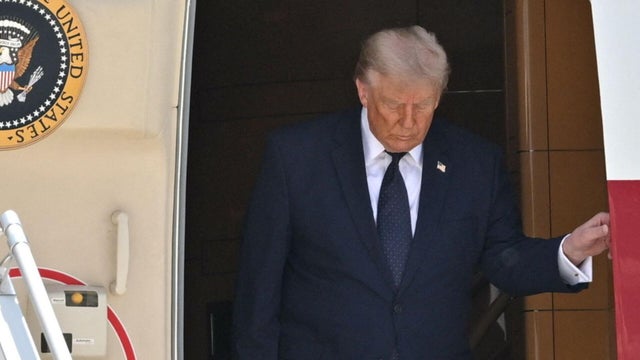
President Trump secretly moved between Air Force One and a military aircraft in Turkey after a missile threat from Iran, a U.S. official said. CBS News' Nancy Cordes explains what we know.
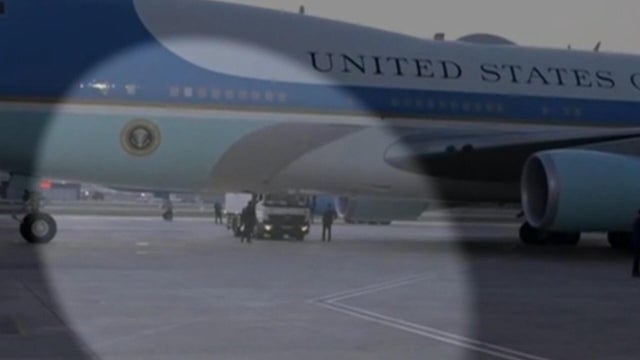
President Trump was forced to secretly switch from Air Force One to a separate military aircraft while leaving a summit in Turkey due to Iran's deadly threats, a U.S. official says. Aaron Navarro reports.
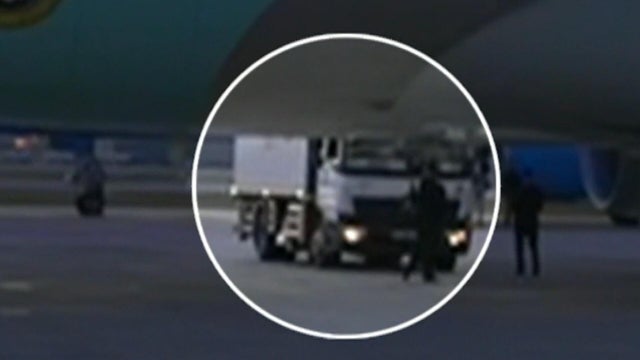
While departing a NATO summit in Turkey last month, a Turkish airport catering truck pulling away from Air Force One was secretly carrying President Trump to a military jet amid a threat from Iran. Nancy Cordes reports.
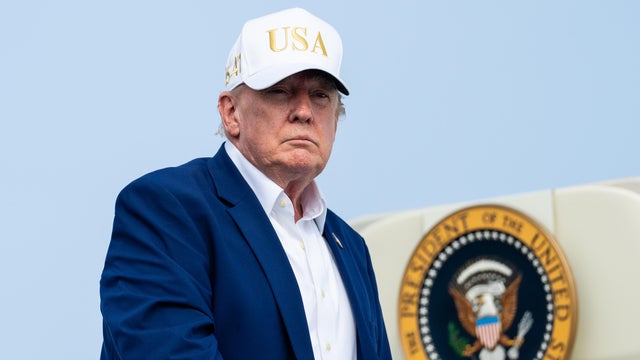
President Trump signaled he would be piling economic pressure on Iran as the stalemate continued and Tehran laid out new conditions to reopen the Strait of Hormuz.
The Iranian regime is now saying it will not reopen the Strait of Hormuz if the U.S. doesn't meet its demands, including compensation for the damage it has done in the more than five months since the start of the war. While the U.S. has reiterated that its top priority is ensuring that Iran can never achieve nuclear capabilities, having the strait fully open to traffic has become key. CBS News contributor Elliot Ackerman joins with analysis.
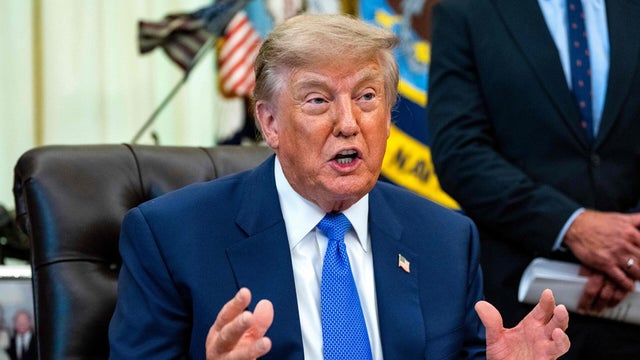
President Trump demanded Monday that Iran compensate victims' families and Middle Eastern countries after Tehran said it wouldn't reopen the Strait of Hormuz without being compensated for war damage, among other demands. CBS News' Aaron Navarro reports.
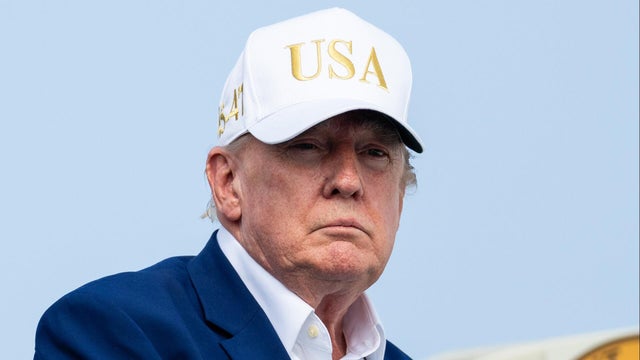
President Trump told Axios that he is only "semi-negotiating" with Tehran. The Iranians are demanding that they be compensated for war damage to reopen the Strait of Hormuz. CBS News national security contributor Samantha Vinograd joins with analysis.
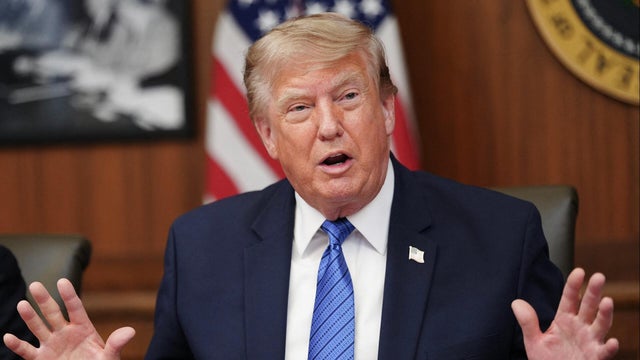
President Trump encouraged an uprising from the Iranian people against the country's regime as the U.S. began strikes there earlier this year. Five months of war later, Yeganeh Torbati, Iran correspondent for the New York Times, joins CBS News to discuss how the Iranian people feel about Mr. Trump.
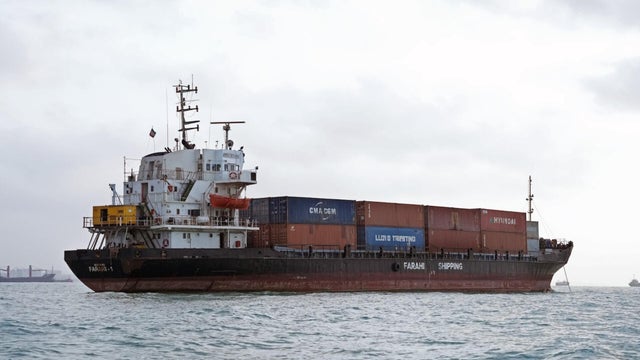
Iran laid out a new set of demands for reopening the Strait of Hormuz as both the U.S. and Tehran are feeling the economic impacts of the conflict. CBS News' Courtney Kealy has more.
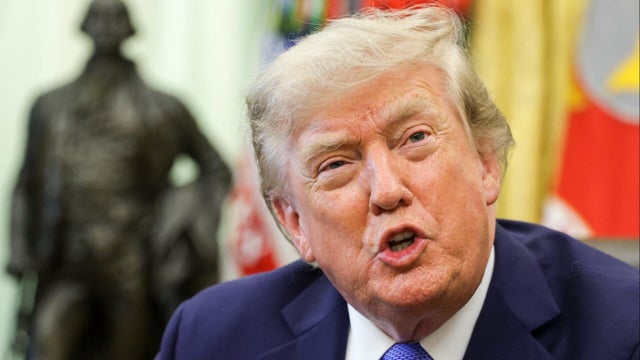
President Trump told Axios on Sunday that the U.S. is "semi-negotiating" with Iran as access to the Strait of Hormuz remains uncertain and oil prices rise. CBS News' Nancy Cordes and Retired Marine Col. Mark Cancian have more.
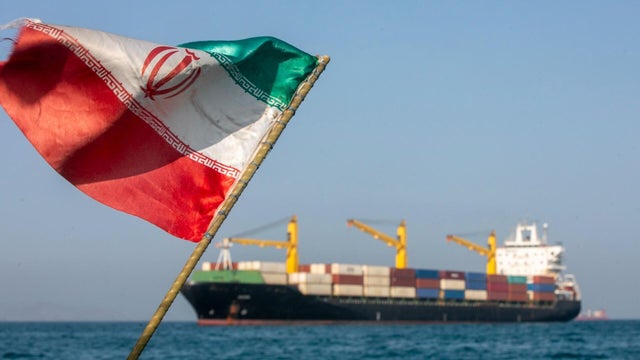
Iran is making some demands as negotiations with Oman over the Strait of Hormuz proceed. CBS News' Imtiaz Tyab reports.
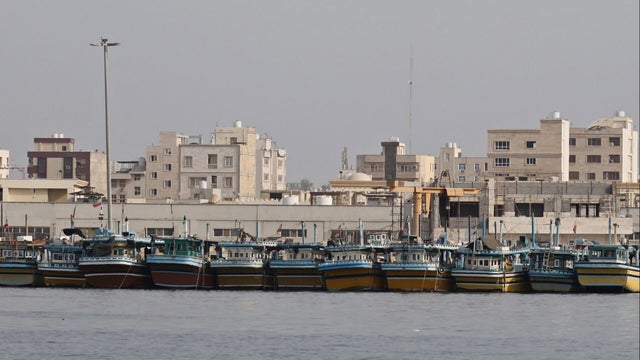
President Trump said the U.S. is only "semi-negotiating" with Iran after it laid out new terms for reopening the Strait of Hormuz. Imtiaz Tyab has the latest.
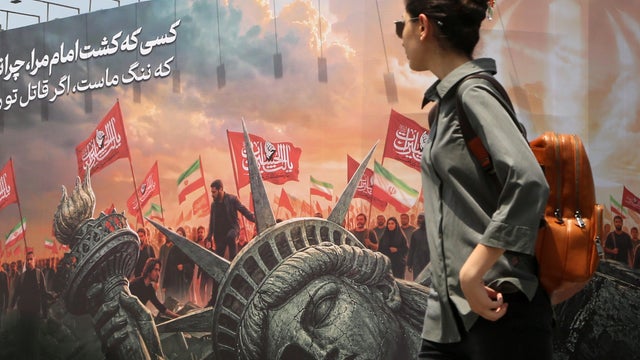
The United Arab Emirates' Abu Dhabi National Oil Company said one of its ships was targeted while transiting the strait.
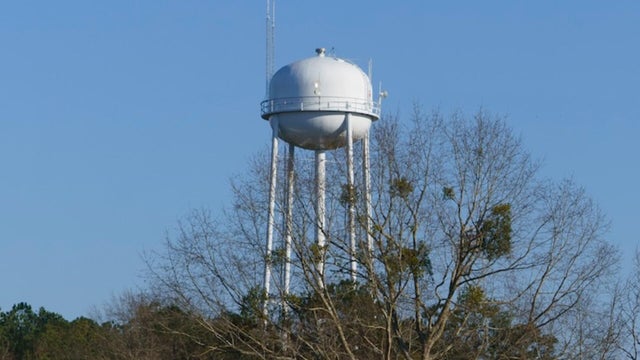
"Malicious cyber actors" were able to lock out state governments from their water systems in a dozen states, CBS News homeland security and justice correspondent Nicole Sganga told "Face the Nation with Margaret Brennan." There have been no known impacts to the drinking water in these communities.
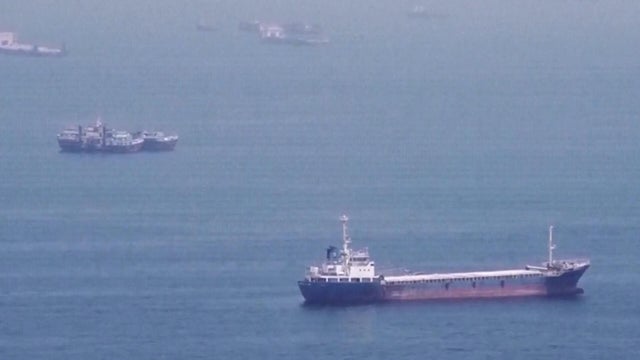
Negotiations are ongoing between Iran and Oman regarding the management of the Strait of Hormuz. While those talks over the crucial waterway drag on, however, gas prices remain high for Americans. Imtiaz Tyab reports.
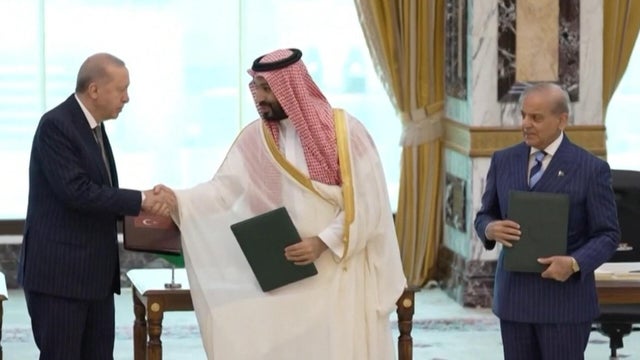
Saudi Arabia, Pakistan and Turkey signed a historic joint defense pact, establishing their mutual support in case of an attack. Meanwhile, Iran said again that it is finalizing a deal to co-manage the Strait of Hormuz with Oman.
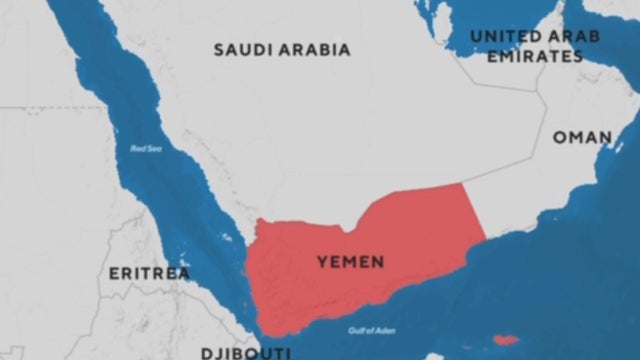
Iranian-backed Houthi rebels have launched new attacks on Saudi-backed troops in Yemen. The attacks come as Turkey, Pakistan and Saudi Arabia sign a mutual defense deal. CBS News national security contributor Samantha Vinograd joins with analysis.
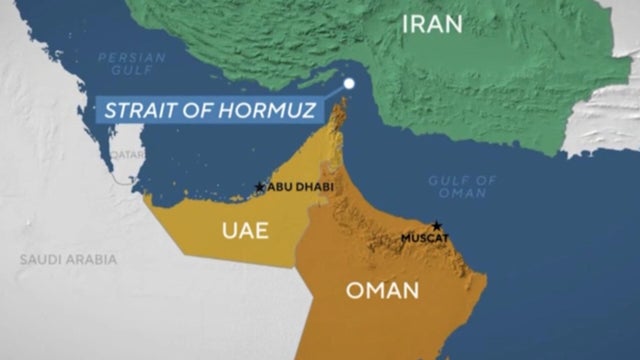
The Trump administration says a deal to reopen the Strait of Hormuz is imminent, but it still has not been announced. CBS News correspondent Natalie Brand is at the White House with more.

CBS News received a second audio message from journalist Reza Valizadeh, who's been held in Iran's notorious Evin Prison since 2024. He gave an update on the prison conditions and on fellow American Kamran Hekmati, believed to be suffering from a recurring cancer.
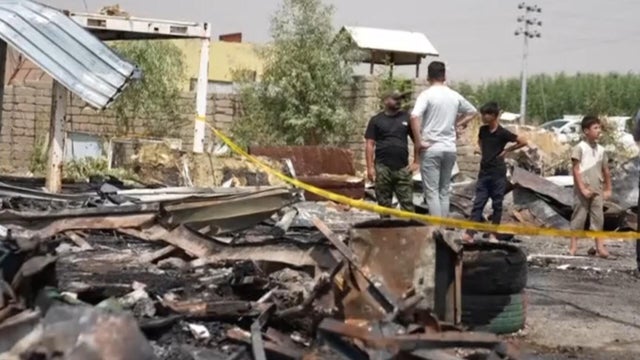
Robert Murrett, a retired vice admiral in the U.S. Navy and a professor at Syracuse University, joins CBS News to offer his analysis of President Trump's remark that a deal with Iran could come soon, and more.
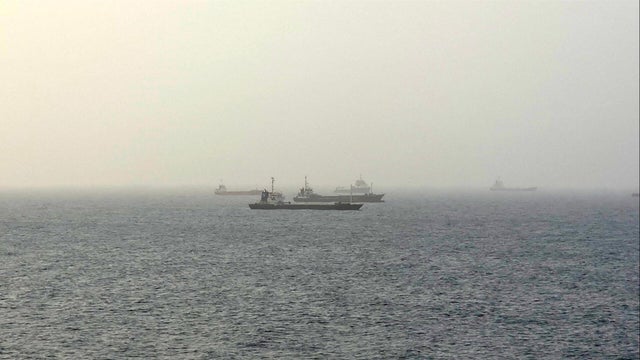
Sources tell CBS News that Iran and Oman continue to negotiate the terms of a potential deal regarding transit in the Strait of Hormuz. CBS News chief foreign affairs correspondent and "Face the Nation" moderator Margaret Brennan joins with more.
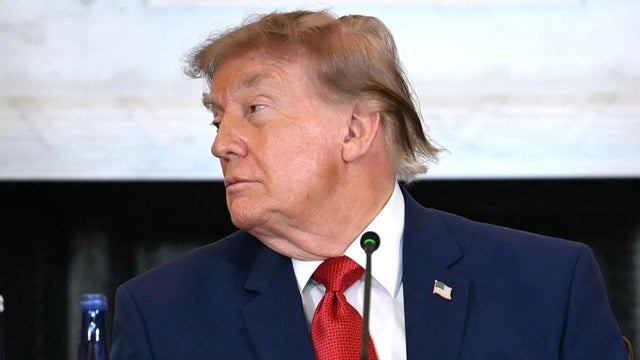
An appeals court on Friday barred President Trump from building a White House ballroom without congressional approval. Mr. Trump now says he'll take the case to the Supreme Court. CBS News senior White House and political correspondent Ed O'Keefe reports.
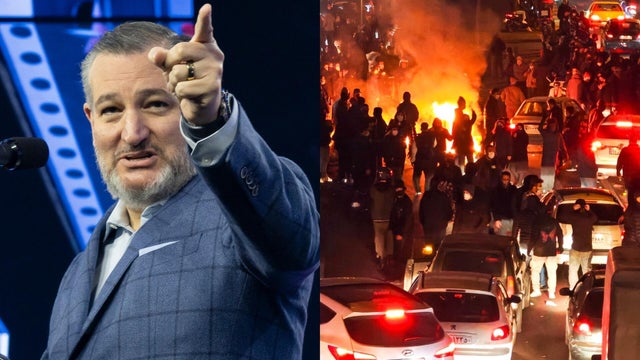
Texas Republican Sen. Ted Cruz says the U.S. should consider arming Iranian protesters so they can rise up against the regime. Alex Vatanka, a senior fellow at the Middle East Institute, reacts to the remarks.
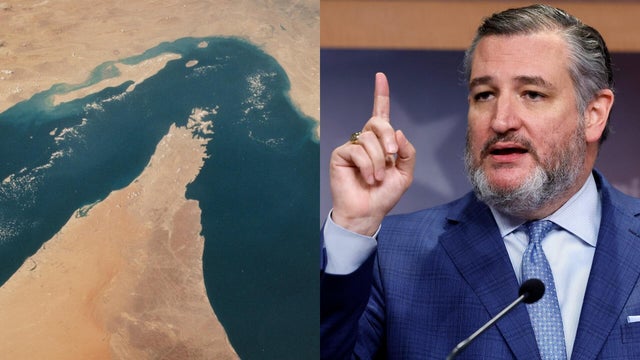
Iran and Oman appear to be making progress on a potential deal surrounding the Strait of Hormuz, but the outcome may not be enough to satisfy the U.S. CBS News analyst Aaron MacLean joins with more insight.