Inflation higher than expected in March
For the third straight month, prices have risen more than expected as inflation refuses to come down. Prices rose 3.5% in March compared to a year ago. That’s the biggest increase in six months.
Watch CBS News
For the third straight month, prices have risen more than expected as inflation refuses to come down. Prices rose 3.5% in March compared to a year ago. That’s the biggest increase in six months.
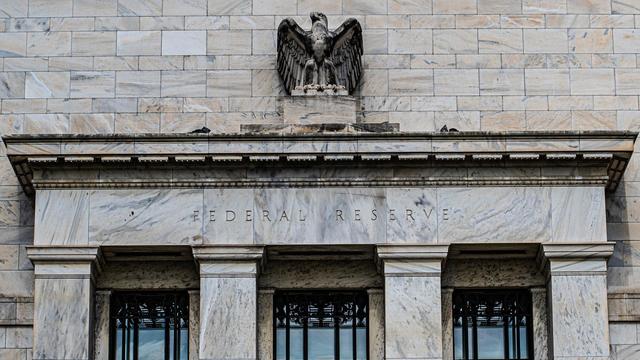
The annual inflation rate hit 3.5% in March, the highest since September. Martin Baccardax, senior editor and chief markets correspondent at "TheStreet," joins CBS News to examine what's behind the increase and what it means for interest rate cuts.
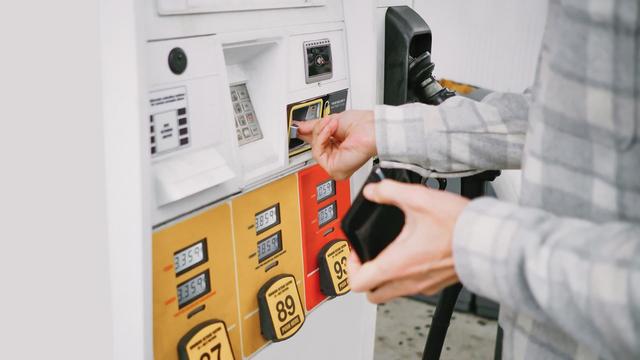
The hotter-than-expected inflation reading could cause the Federal Reserve to delay interest rate cuts, analysts said.

"You can kiss a June interest rate cut goodbye," one analyst said of the latest CPI numbers showing stubborn inflation.
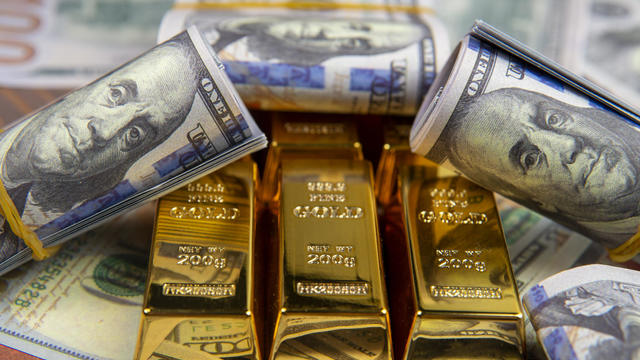
Inflation is moving sideways, remaining above 3% for the first three months of 2024. Here's how that could impact your finances.
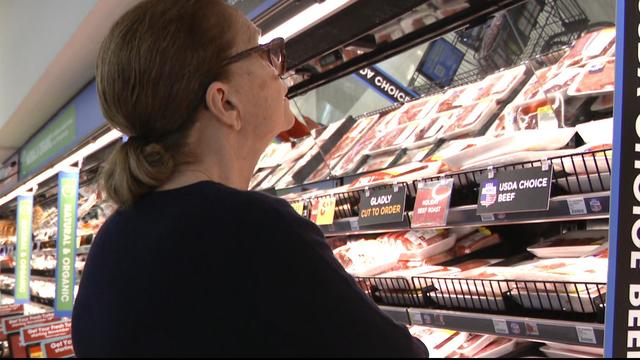
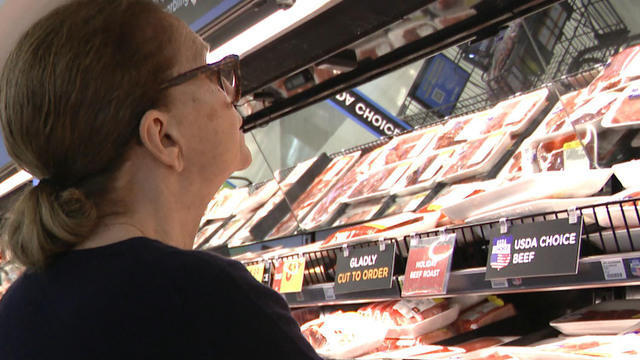
Inflation rose more than expected for the third straight month. Gas, rent and grocery prices are the major categories keeping inflation stubbornly high. Jo Ling Kent reports.
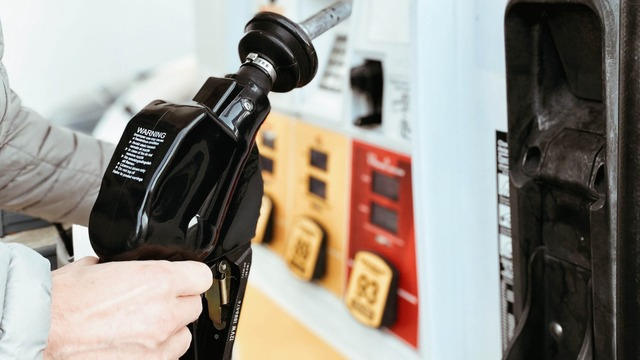
The March consumer price index indicates a third straight month of price increases, a sign the U.S. economy is still dealing with inflation. Prices in March rose 3.5% on an annual basis. CBS News senior business and tech correspondent Jo Ling Kent breaks down the data.
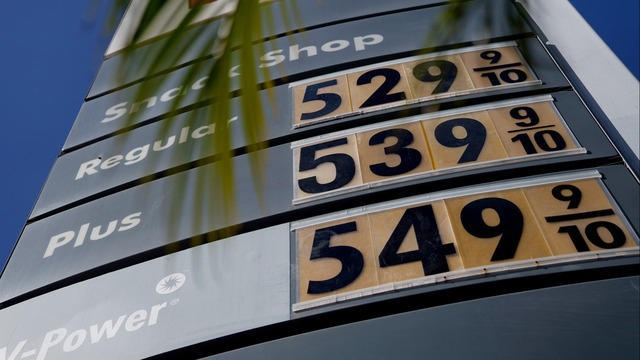
The Consumer Price Index rose 0.4% last month largely due to the cost of rent and gas. Prices are up 3.5% over the past 12 months, and the latest numbers cast doubt on interest rate cuts. CBS News business analyst Jill Schlesinger has more.
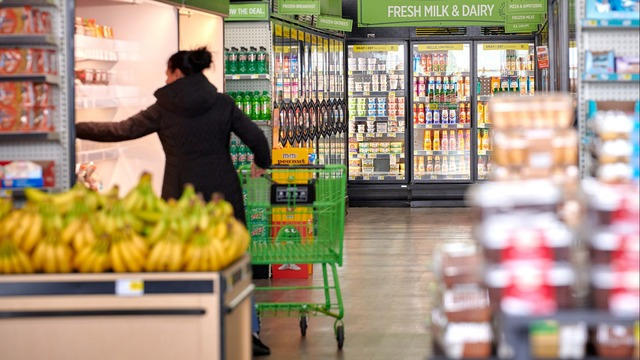
Younger generations are showing a willingness to buy higher priced items when it comes to groceries, according to a report from McKinsey and Company. CBS News contributor Javier David, managing editor of business and markets at Axios, has more on the trend.

The buying price of gold futures has hit multiple record highs this year, rising more than 14% in value since Jan. 2. Campbell Harvey, professor of finance at Duke University, joins CBS News to explain what's motivating buyers.

Economists say Americans should be more upbeat about the economy given strong job growth and lower inflation.
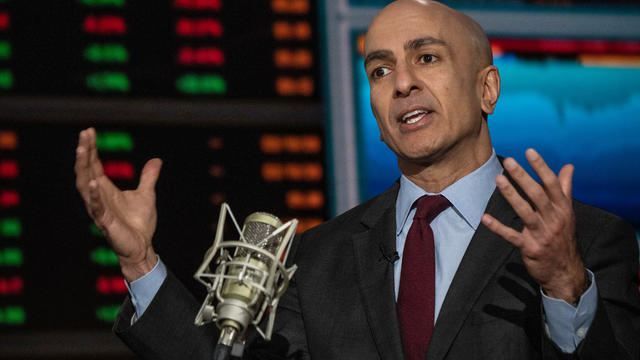
One Fed official on Thursday said if the economy continues to demonstrate strength, "Why would we cut rates?"
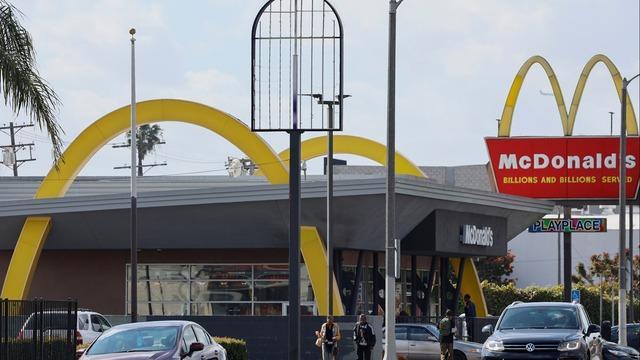
Fast food workers in California will now earn a minimum of $20 an hour. CBS News correspondent Carter Evans has more details. Then, economy and labor journalist Margot Roosevelt joins to discuss what the wage changes mean for the industry and Californians.

Rising temperatures and weather conditions have stressed and damaged crops in West Africa, which produces more than 70% of the global cocoa supply.
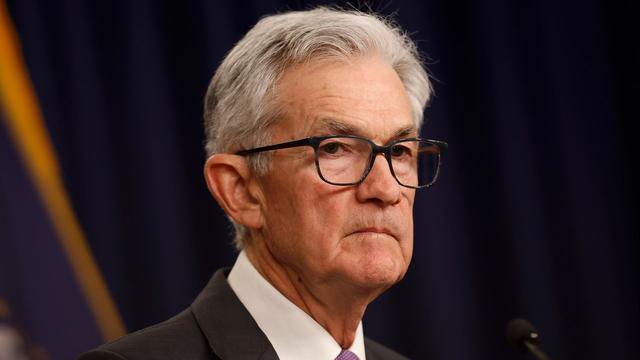
The Federal Reserve kept interest rates steady on Wednesday, but officials still anticipate cuts later this year despite two straight months of higher-than-expected inflation. Nick Timiraos, chief economics correspondent at The Wall Street Journal, joins CBS News to discuss the Fed's path forward.
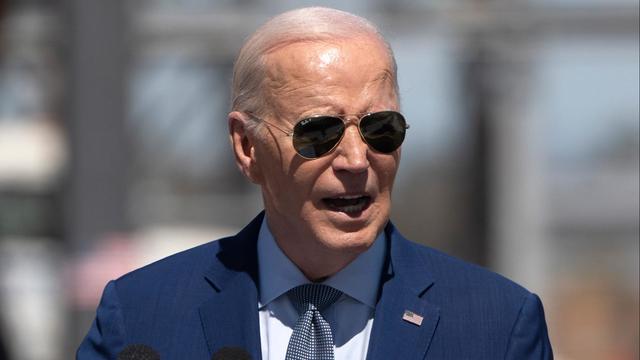
On Wednesday, President Biden unveiled an $8.5 billion agreement with tech giant Intel in Arizona. The funding is part of the CHIPS Act and will create 30,000 manufacturing and construction jobs. Jared Bernstein, White House economic adviser, joins "America Decides" to discuss.
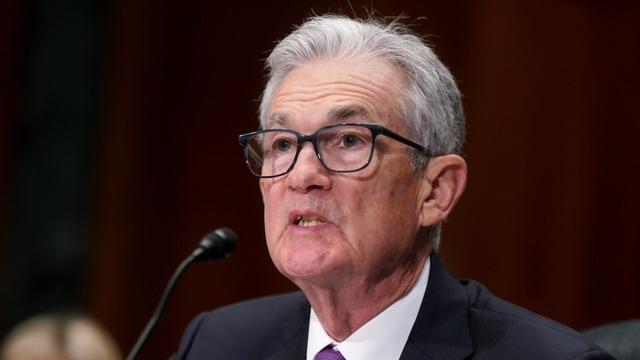
The Federal Reserve will announce its decision on interest rates Wednesday as the U.S. continues to combat inflation. CBS News senior business and technology correspondent Jo Ling Kent breaks down what to know before the announcement.

President Biden is wrapping up a Southwest trip to Nevada and Arizona. There, he highlighted his economic policies and appealed to Latino voters. CBS News' Fin Gómez and Weijia Jiang have more.
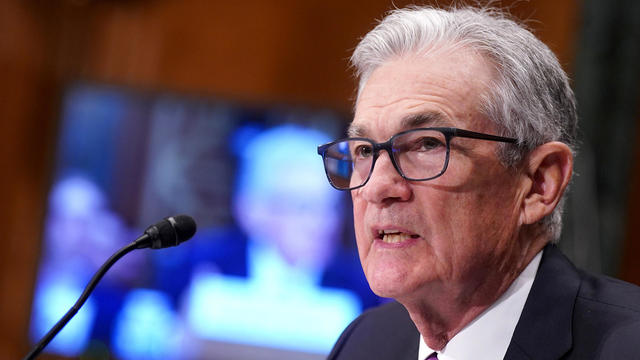
After two years of rate hikes, Americans are coping with higher costs for all kinds of loans. Here's what to expect from the Fed today.
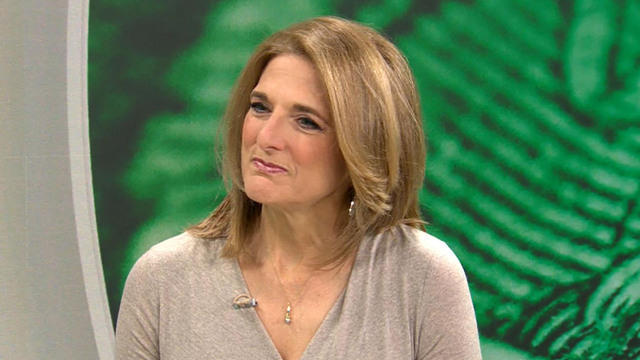
In a move to combat rising inflation, interest rates have soared to their highest in nearly a quarter-century. The Federal Reserve is concluding a two-day policy meeting today. Their decisions could significantly impact borrowing costs for consumers.

Appeals court to hear arguments on Texas border law; Princess Kate privacy breach investigation.

A rise in the number of home listings with price cuts suggests a return to a more balanced dynamic between buyers and sellers.
A new study by the Brookings Institution examines the role immigration has played in allowing the U.S. job market to grow faster without stoking inflation. Betsey Stevenson, professor of public policy and economics at the University of Michigan, joins CBS News to explain how migrants contribute to job growth and U.S. demand.
Wholesale inflation saw its biggest increase since last summer in February, rising 0.6% according to the Producer Price Index. CBS News business analyst Jill Schlesinger has more.
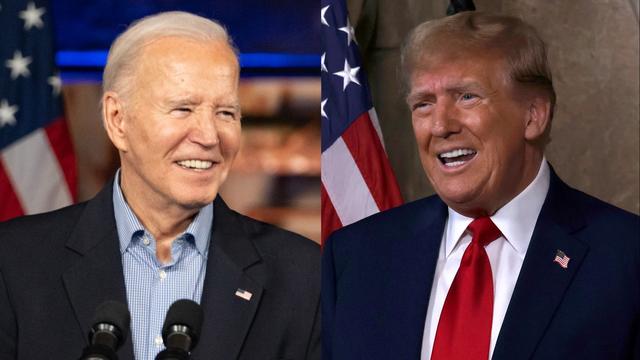
President Biden and former President Donald Trump are shifting focus to the general election after gaining enough delegates to clinch their parties' nominations. Biden campaign senior spokesperson Kevin Munoz and Trump campaign national press secretary Karoline Leavitt join "America Decides" to discuss what they believe will be key to their victory.