Stock market suffers another wipeout over inflation and tariff fears
Wall Street skidded on Friday amid higher-than-expected inflation data and fears about the impact of President Trump's tariffs.
Watch CBS News
Wall Street skidded on Friday amid higher-than-expected inflation data and fears about the impact of President Trump's tariffs.
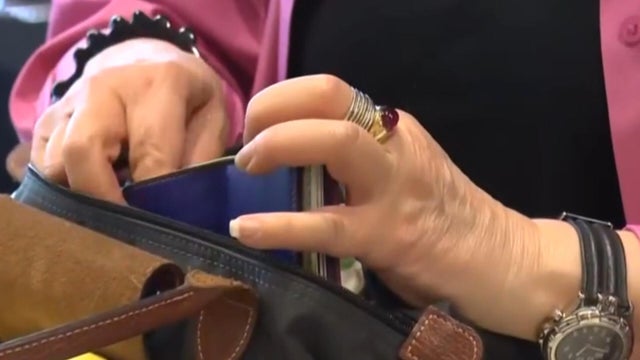
New economic data shows Americans remain concerned over inflation and they are making cautious decisions with money. CBS News' Jill Schlesinger reports.
A majority of Americans are not feeling great about the economy, according to a new CBS News poll revealing 60% of participants said the economy was "bad." CBS News' Anthony Salvanto has more.
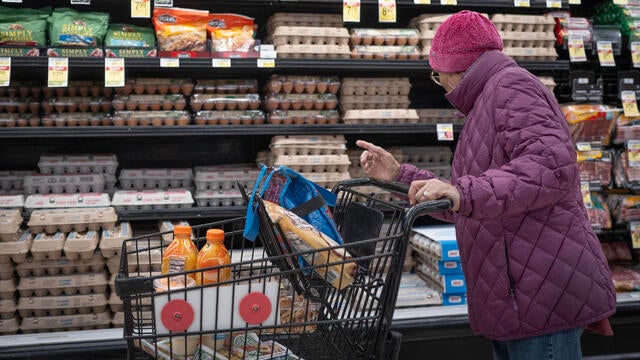
A closely watched measure of inflation shows that prices excluding fuel and food ticked up in February. Here's what to know.
A new CBS News poll finds that Americans' economic outlook has grown slightly more pessimistic in the past month. High prices are weighing on people, with most saying they're on the rise. CBS News executive director of elections and surveys Anthony Salvanto breaks down the findings.

Consumer confidence continues to wane as Americans worry about the economy, jobs and their income.
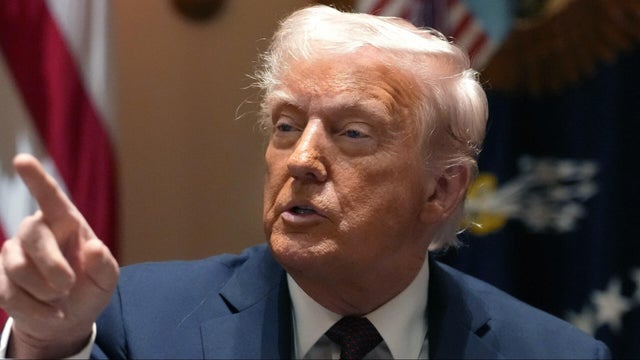
President Trump said the U.S. will place a 25% tariff on imports from all countries that buy oil or gas from Venezuela. According to Rystad Energy, a research and consulting firm, China and the U.S. have been the top buyers of Venezuelan oil in recent months. CBS News contributor Javier David has more on what this means.

Red Lobster CEO Damola Adamolekun took over last September, shortly after the chain closed many locations and filed for bankruptcy.

Red Lobster is among more than a dozen casual dining chains that filed for bankruptcy in 2024. Now, its new CEO is attempting to reinvigorate and reinvent it in a challenging economic climate. Elise Preston reports.
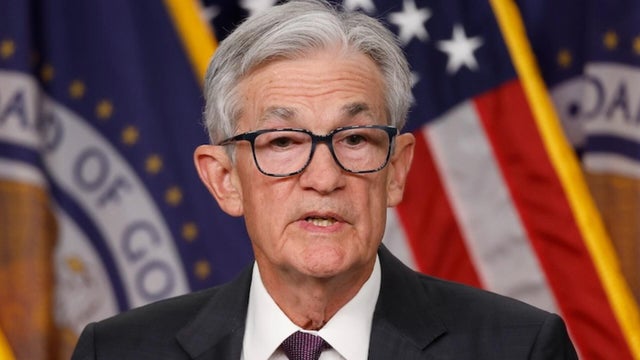
As expected, the Federal Reserve has held interest rates steady, while indicating that cuts are likely later this year. CBS News MoneyWatch correspondent Kelly O'Grady reports.
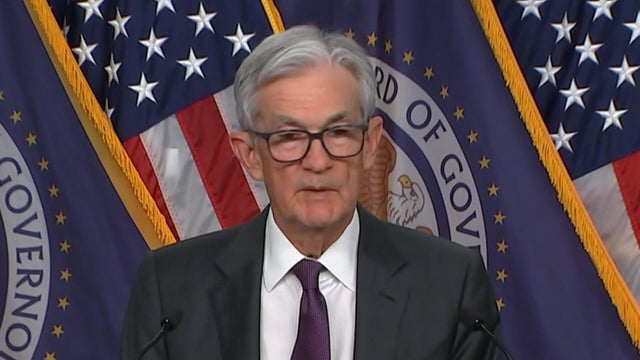
The Federal Reserve chose not to lower interest rates Wednesday, as Chair Jerome Powell admitted the economic outlook was uncertain. He indicated that even though inflation was expected to inch up in response to President Trump's tariffs, the Fed is still forecasting two rate cuts this year. Kelly O'Grady explains.
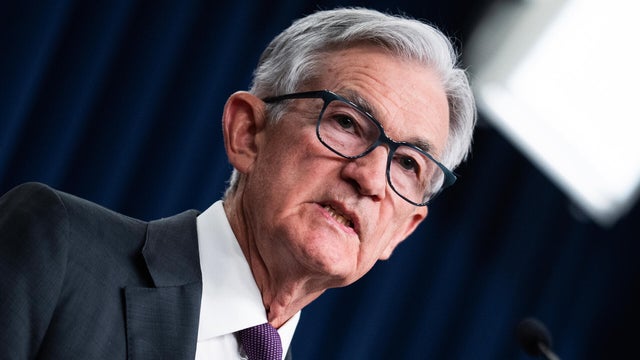
The Federal Reserve left interest rates unchanged Wednesday as uncertainty about the U.S. economy grows. CBS News MoneyWatch correspondent Kelly O'Grady unpacks Fed Chair Jerome Powell's comments on the decision. Then, Donna Ginther, distinguished professor of economics at the University of Kansas, joins with analysis.
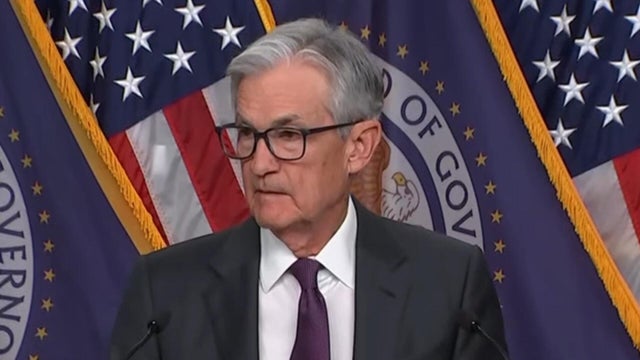
The Federal Reserve left its benchmark interest rate unchanged on Wednesday, with Chair Jerome Powell saying "further progress may be delayed" on bringing down inflation because of President Trump's tariffs. CBS News business analyst Jill Schlesinger has more.
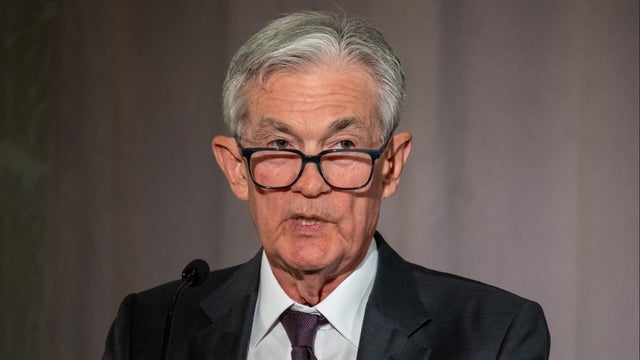
The Federal Reserve will meet Wednesday to make its second interest rate decision of the year with economists predicting rates will be held steady. CBS News business analyst Jill Schlesinger has more.
Preliminary data from the University of Michigan shows that consumer sentiment, or how people feel about the economy, declined for a second straight month. It all comes as January saw a decline in spending which has some economists warning that the U.S. could face a possible recession. CBS News MoneyWatch correspondent Kelly O'Grady has more on recession risk signs.
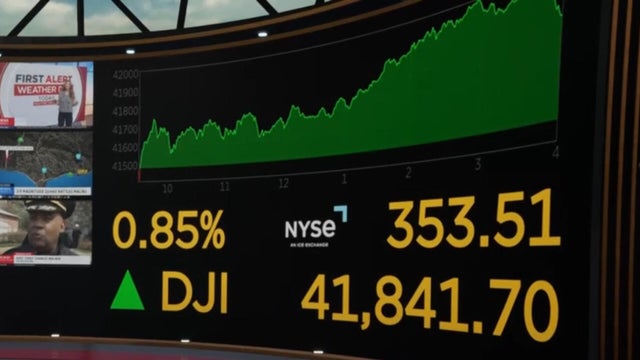
The Dow Jones regained some ground Monday after President Trump's tariffs put markets in a tailspin last week. CBS News MoneyWatch correspondent Kelly O'Grady breaks down what happened on Wall Street.
U.S. stocks continue to flail as investors grapple with impact of Trump administration trade war and signs of economic slowdown.
The inflation rate last month was slightly lower than forecast by economists, although price increases are still higher than the Fed would like.
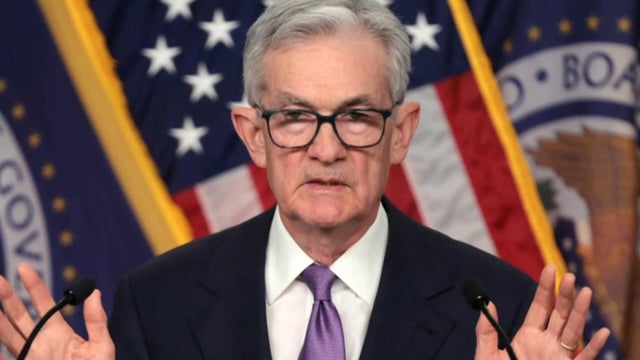
A better-than-expected inflation report may have contributed to a better stock market performance. Still the trade war is still on, and the European Union announced retaliatory tariffs. Kelly O'Grady explains.
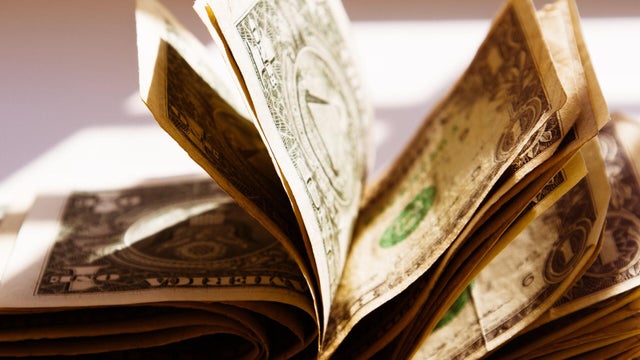
Inflation cooled more than economists expected in February but remained higher than where the Federal Reserve would like it to be, rising 2.8% from a year earlier. CBS News MoneyWatch correspondent Kelly O'Grady joins "America Decides" to examine what that means for price relief for Americans.
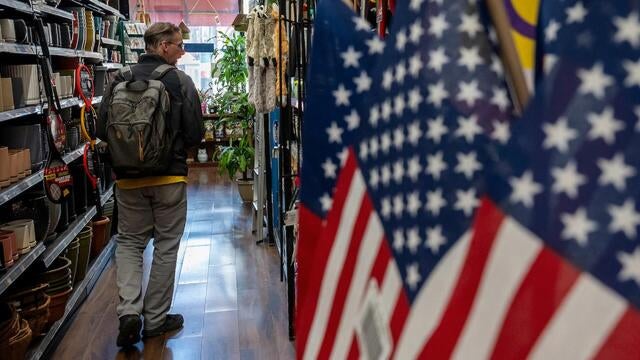
New Consumer Price Index data showed inflation slowed in February, which may be a good sign for the U.S. economy for now. CBS MoneyWatch correspondent Kelly O'Grady reports.
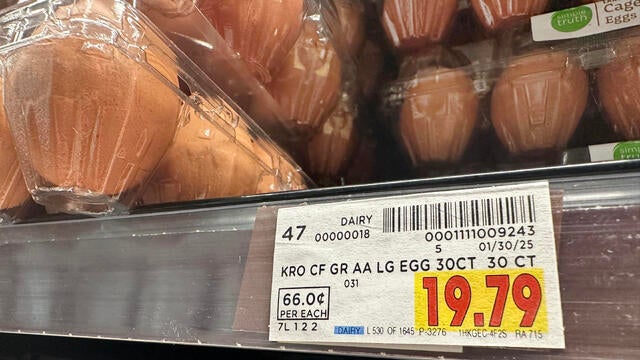
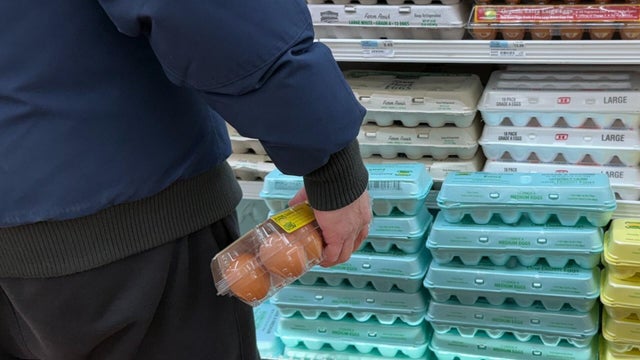
The bird flu is still wiping out poultry flocks, leading to supply shortages. Here's when egg prices could come down, experts say.
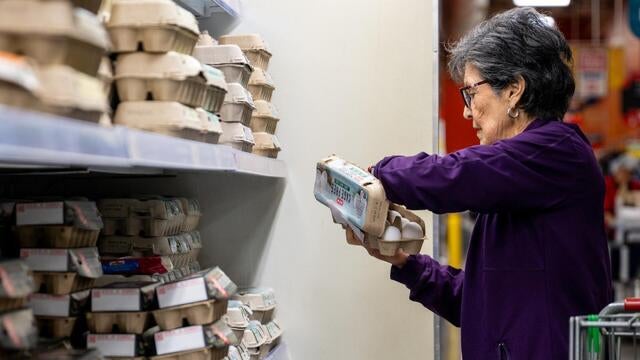
Consumer price index data for February shows inflation slowed for the first time since September. It comes as investors navigate uncertainty over President Trump's tariffs. CBS News' Kelly O'Grady and Natalie Brand report.
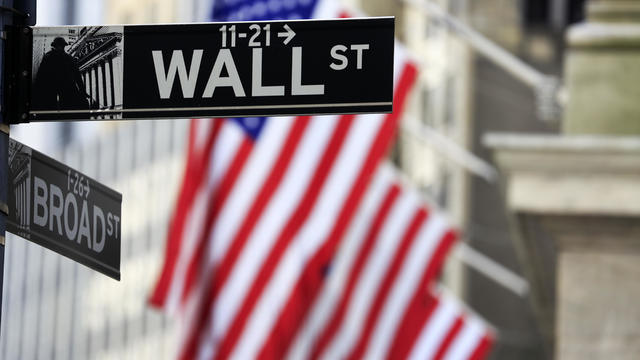
Wall Street breathes a sigh of relief after a new report showed inflation slowed last month by more than expected.
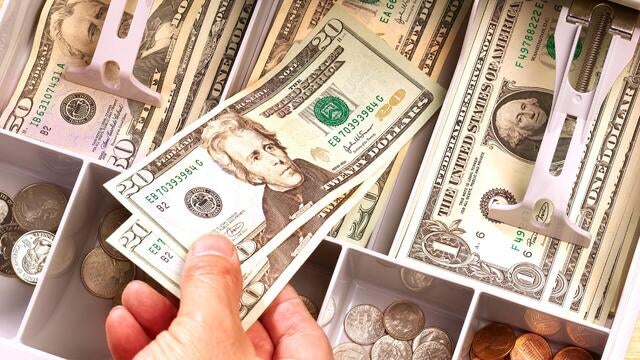
The new consumer price index shows inflation cooled in February, coming in at a lower rate than economists expected. CBS News MoneyWatch correspondent Kelly O'Grady has a look at the numbers.