A 23-year fight for justice inspires hope for others
For over two decades, Carol Dodge has pursued justice for her daughter Angie, who was murdered in the summer of 1996 in Idaho Falls, Idaho. Learn how the family is helping others.
Watch CBS News
For over two decades, Carol Dodge has pursued justice for her daughter Angie, who was murdered in the summer of 1996 in Idaho Falls, Idaho. Learn how the family is helping others.
After 23 years, Idaho Falls, Idaho, detectives finally had a solid DNA lead in Angie Dodge’s murder case. CeCe Moore and Parabon NanoLabs’ research led them to Brian Dripps. Police just needed to collect his DNA to make certain. They traveled 300 miles to Caldwell, Idaho, and spent upwards of 24 continuous hours following Dripps, patiently waiting for him to toss a cigarette butt so they could test it.
A public DNA database led to an arrest for a cold case from more than two decades ago. Angie Dodge was murdered in Idaho Falls in 1996, but police could not find her killer despite having a sample of his DNA. Anne-Marie Green, who has been following the case for more than two years, joins "CBS This Morning" to preview her "48 Hours" report, which airs Saturday, Nov. 9 at 10/9c on CBS.
The fact that Reginald is the size of a small horse and Pearl is as small as an apple didn't stop them from getting along famously.
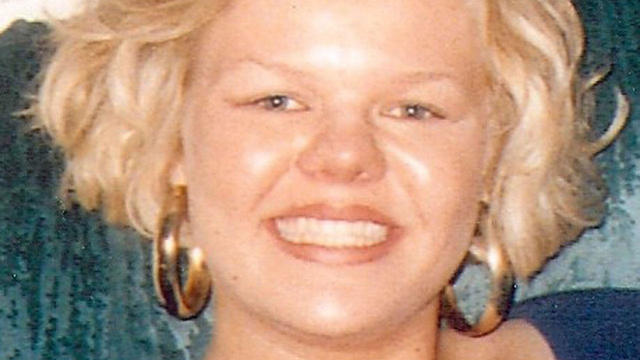
Murder victim's mother pushed investigators to use controversial genetic genealogy to find her daughter's killer
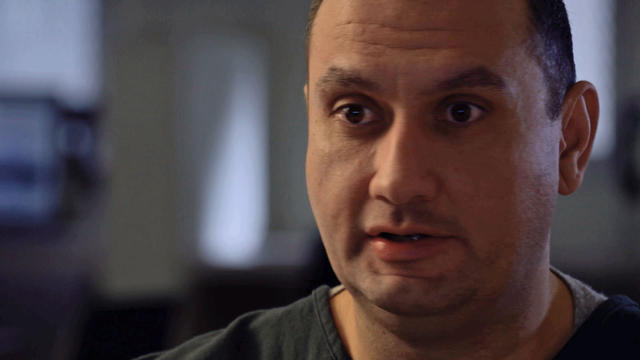
Michael Bloomberg hints at presidential bid; how police used online DNA database to crack cold case
Tapp was convicted of rape and murder following the 1996 death of Angie Dodge. He was released in 2017, and DNA evidence cleared him in 2019.
Chris Tapp, serving time for the murder of Idaho teen Angie Dodge, shows CBS News correspondent Anne-Marie Green what his life is like inside the Idaho State Correctional Center.
For over two decades, Carol Dodge has pursued justice for her daughter Angie, who was murdered in the summer of 1996 in Idaho Falls, Idaho

After 23 years of eluding police in Idaho Falls, Idaho, a man who left his DNA at the scene of a brutal murder was finally captured thanks to genetic genealogy and several distant relatives who uploaded their DNA profiles to a public database.
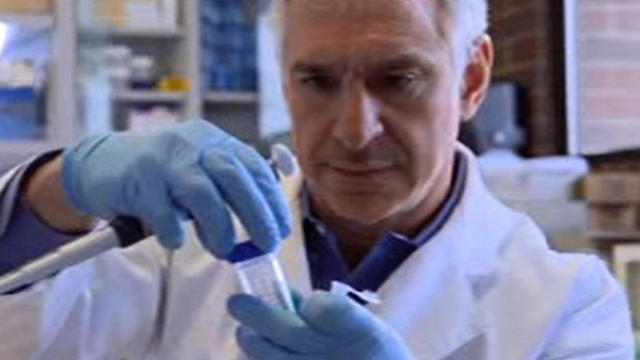
A new high-tech, controversial law enforcement procedure has some people worried it threatens the privacy of our DNA