Kansas town goes green after devastating tornado
In 2007, a powerful tornado decimated Greensburg, Kansas. Today, 100% of its electricity comes from wind energy and many of its roofs are lined with solar panels. Ian Lee reports.
Watch CBS News
In 2007, a powerful tornado decimated Greensburg, Kansas. Today, 100% of its electricity comes from wind energy and many of its roofs are lined with solar panels. Ian Lee reports.

On Cape Cod, a group of women known as OLAUG -- Old Ladies Against Underwater Garbage -- spend their days diving into ponds to collect trash and find peace beneath the surface. Mark Strassmann reports.

For years, scientists and the U.N. have spoken about critical climate tipping points that, if crossed, could potentially cause irreversible changes to the planet and accelerate climate change. According to a report published Monday by researchers at the University of Exeter, the first tipping point has likely already been reached for coral reefs. CBS News senior coordinating producer for climate and environmental coverage Tracy Wholf explains.

President Trump used his U.N. address on Tuesday to attack any efforts to combat climate change. Former Washington Democratic Gov. Jay Inslee joins "The Takeout" with his reaction.

The Department of Energy says it will return more than $13 billion in unobligated funds once set aside for the Biden administration's climate agenda, calling it "wasteful spending." Energy Secretary Chris Wright joins "CBS Mornings Plus."
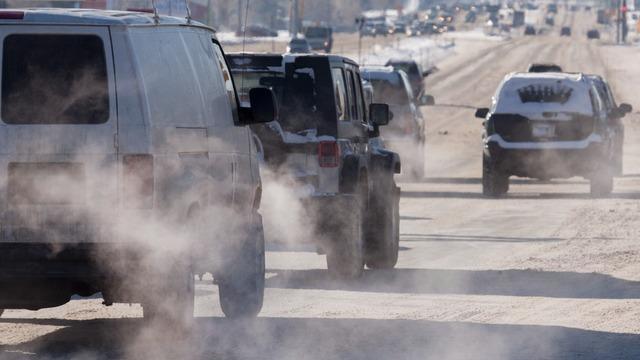
The Biden administration announced new tailpipe emission standards for new passenger cars that aim to cut over 7 billion tons of carbon emissions, as well as other harmful air pollutants. CBS News national correspondent Dave Malkoff has more on the tactic to reduce carbon emissions and other harmful air pollutants.

In 2019, naturalists said the swamp was under threat after a mineral company that owned land three miles away sought permits to mine zirconium and titanium.

In 2019, naturalists said the Okefenokee Swamp in Georgia was under threat after a mineral company that owned land three miles away sought permits to mine zirconium and titanium. Just when it appeared the mine would be approved, a nonprofit called the Conservation Fund paid $60 million to buy the mining company's land. Skyler Henry reports.

A new report from the University of Chicago finds that climate-driven wildfires are reversing decades of work aimed at improving air quality standards in the U.S. and Canada. Michael Greenstone, an author of the report, joins CBS News to break down the findings.

Environmentalists say one solution to beating the heat in sprawling cities is planting more trees or creating green spaces like parks.

A State of the Climate report from the American Meteorological Society shares concerning updates about the planet. It shows that the annual global temperature, greenhouse gas concentrations and ocean heat all hit record highs last year. CBS News national environmental correspondent David Schechter reports.

This past winter, stone fruits like peaches, plums, apricots and cherries in California's Central Valley didn't get consistent cold weather that regulates the trees' nutrients.

Beaver populations have dwindled throughout North America over the last hundred years, but a new study says strategically returning them to ecosystems could benefit humans and Mother Nature. Kate Maher, professor of Earth system sciences at Stanford University and senior author of the study, joins CBS News to break down the findings.

The temporary restraining order will put a pause on any construction projects, including lighting, paving, excavation, and fencing.

It's been 20 years since Hurricane Katrina exposed the extent of Louisiana's coastal erosion.
A federal judge heard arguments Wednesday over whether the Florida migrant detention center dubbed "Alligator Alcatraz" by the Trump administration is violating environmental laws. CBS News Homeland Security correspondent Nicole Sganga reports.
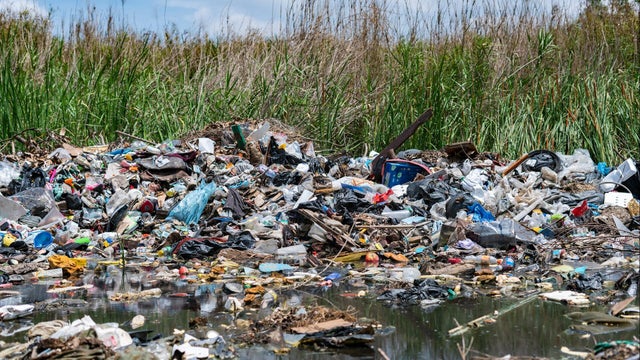
A new report published in the medical journal The Lancet finds that plastic pollution is costing the world at least $1.5 trillion a year in health-related bills. Dr. Philip Landrigan, one of the authors of the report, joins CBS News to explain the findings.

The Environmental Protection Agency's rollback of regulations curbing greenhouse gas emissions could lead to higher gas prices, a CBS News review of the agency's data suggests. Tracy Wholf, CBS News senior coordinating producer of climate and environmental coverage, has more.
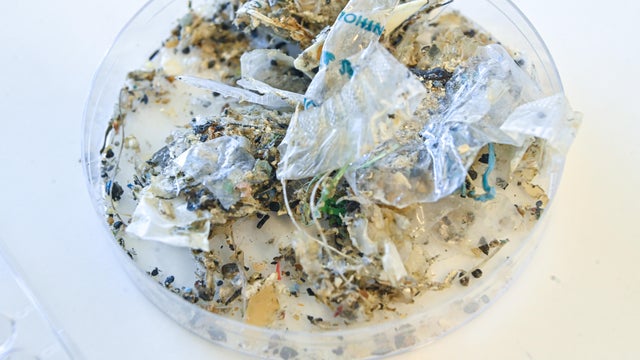
Plastic pollution is a "grave, growing and under-recognized danger" to health that is costing the world at least $1.5 trillion a year, a report in the Lancet medical journals warns

Here are some tips to make sure that you're financially prepared for any kind of natural disaster.

The list of extreme weather- and natural disaster-related costs continues to grow this year. CBS News national environmental correspondent David Schechter breaks down the multibillion-dollar price tag of natural disasters.

In a surprising move, the Environmental Protection Agency proposed reversing the "endangerment finding," which had determined that greenhouse gases pose a threat to human health. EPA Administrator Lee Zeldin joins "The Takeout" to discuss the move.
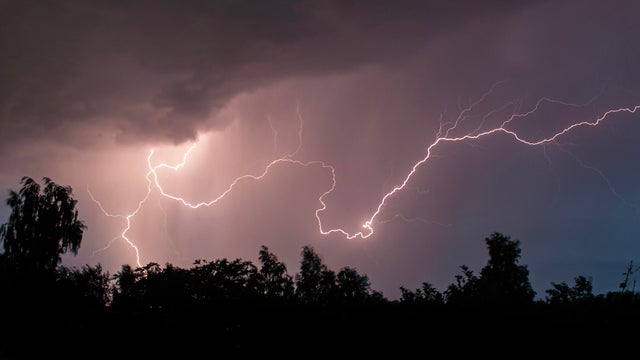
A lightning flash that extended 515 miles from eastern Texas to near Kansas City, Missouri, in 2017 is recognized as being the longest horizontal distance.

As energy demand continues to rise, along with higher utility bills, the Trump administration has promised to address the problem by increasing fossil fuel power generation. But a new study is highlighting ways that the U.S. could increase energy production and reach its emissions goals faster by increasing the use of solar power. CBS News' Tracy Wholf has more.

After announcing it would lose access to key weather satellite data, NOAA will retain access, the agency said in a statement.