EPA to eliminate limits on climate pollution from power plants
The rule, which is expected to face immediate legal challenges, also could prevent future administrations from regulating greenhouse gas emissions from power plants, sources said.
Watch CBS News
The rule, which is expected to face immediate legal challenges, also could prevent future administrations from regulating greenhouse gas emissions from power plants, sources said.
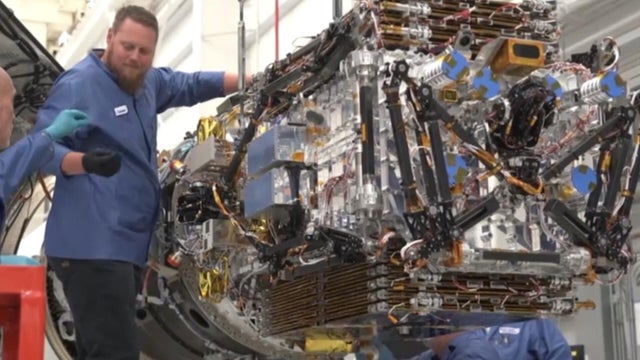
NASA is pivoting from a mission to save the Swift telescope. CBS News' Bill Harwood explains why.
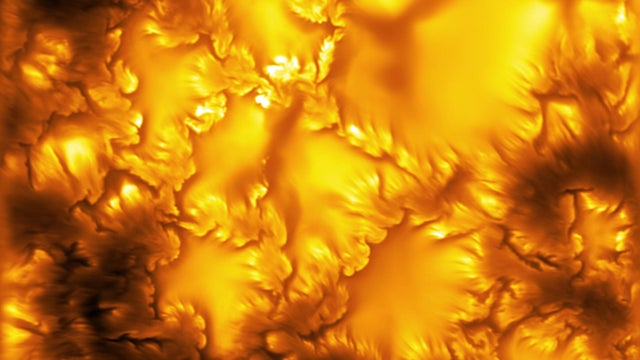
Researchers were able to peek at the sun's scorching surface with the help of the National Science Foundation's Daniel K. Inouye Solar Telescope, located on the island of Maui in Hawaii.
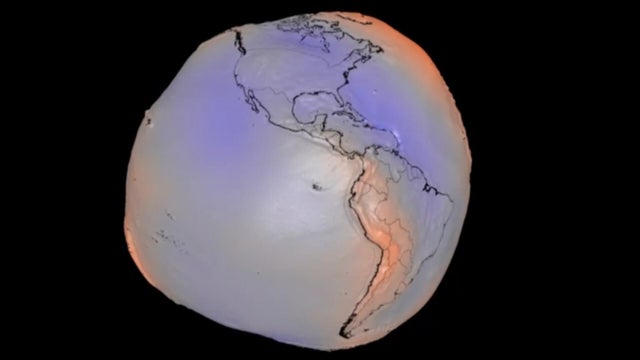
From Apollo 11 to Artemis II, space missions have provided numerous images of a beautiful, seemingly smooth and perfectly round Earth. But new NASA renderings show our home looking more like a lumpy potato than a blue marble. Wired magazine senior science editor Brian Kahn joins to discuss.
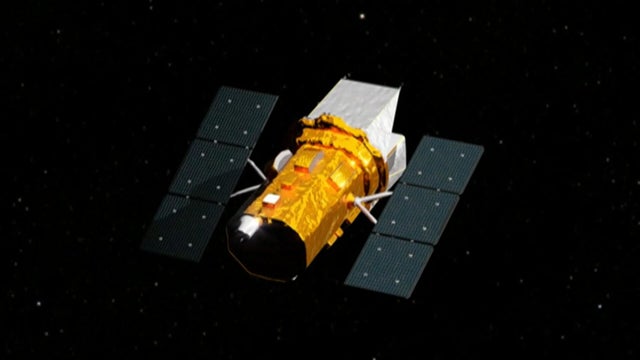
There's an urgent mission to save NASA's Swift Observatory, which is falling back into the Earth's atmosphere and at risk of burning up. Mark Strassmann reports on the rescue operation.

Researchers expected to find "a gradual increase in artificial light at night," but instead saw "much more nuanced patterns," NASA said.
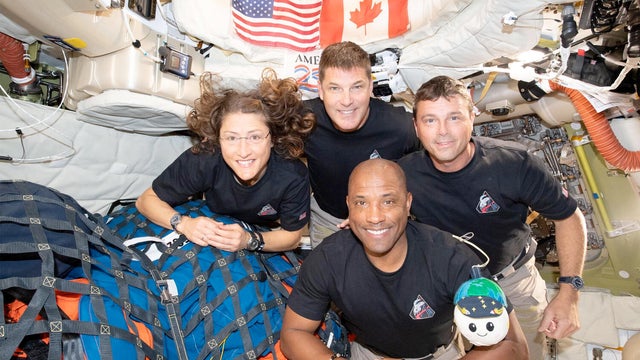
The moon music tradition started more than 50 years ago, NASA said as it shared the Artemis II crew's playlist this week.
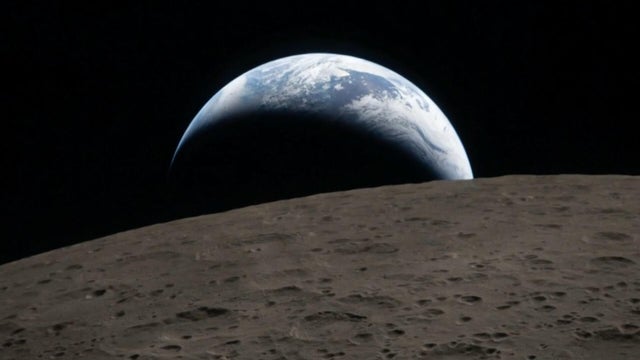
During a time of great uncertainty and change, the photos from Artemis II's mission can give Americans some perspective. Tony Dokoupil takes a look.
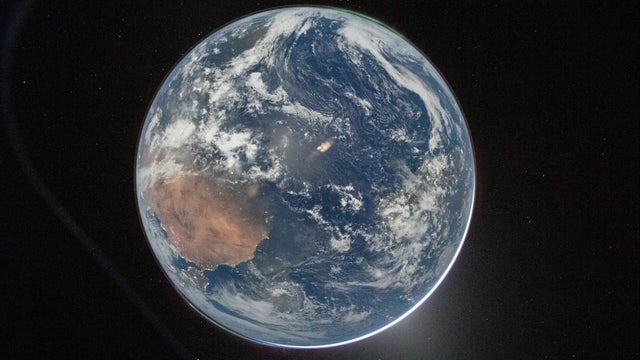
The Artemis II, which launched on Wednesday, has passed its halfway point to the moon. On Friday, crew members shared new photos of Earth from space.
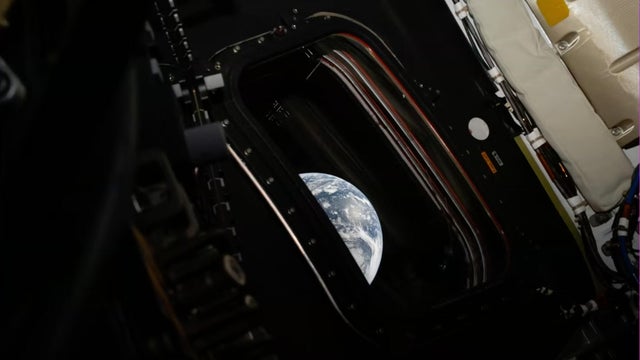
The photo shows the entire planet, as well as the Northern and Southern lights.
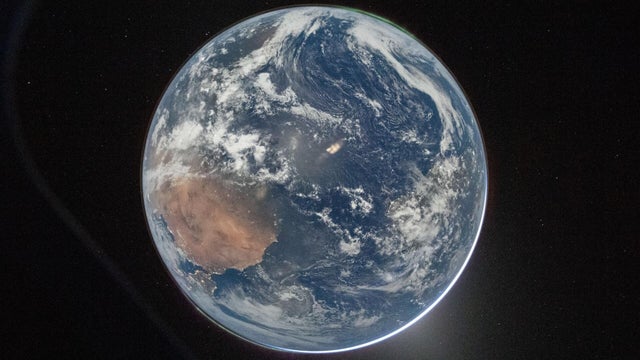
The Artemis II astronauts were over 100,000 miles away from Earth on Friday, almost halfway to the moon. One of the crew members said, "Humanity has once again shown what we are capable of." Mark Strassmann reports.
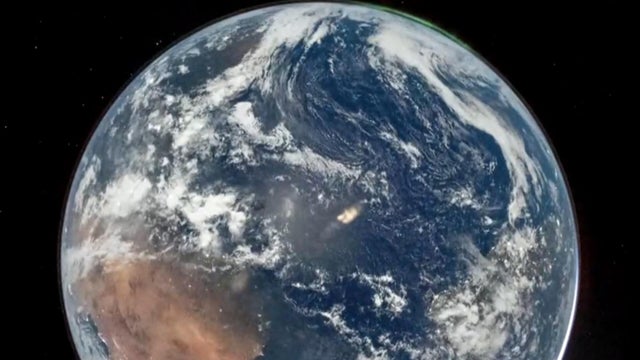
Artemis II Commander Reid Wiseman took the first released pictures of Earth taken from the Orion capsule. CBS News senior national correspondent Mark Strassmann has more.
Artemis II Commander Reid Wiseman took the first released pictures of Earth taken from the Orion capsule. CBS News senior national correspondent Mark Strassmann has more.
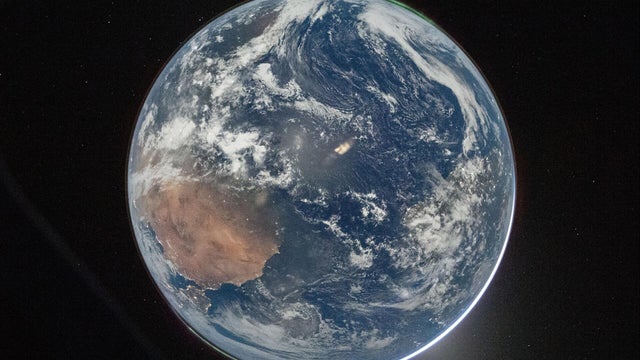
The world is already seeing stunning images from the Artemis II crew's voyage. On Friday, NASA released photos of Earth alongside an onboard video update from the spacecraft. CBS News senior national correspondent Mark Strassman reports.
Crew-11 is preparing for an unprecedented early return to Earth over concerns for an astronaut's medical condition aboard the International Space Station. Mike Massimino, a former NASA astronaut and engineering professor at Columbia University, joins with more.
The Biden administration announced new tailpipe emission standards for new passenger cars that aim to cut over 7 billion tons of carbon emissions, as well as other harmful air pollutants. CBS News national correspondent Dave Malkoff has more on the tactic to reduce carbon emissions and other harmful air pollutants.
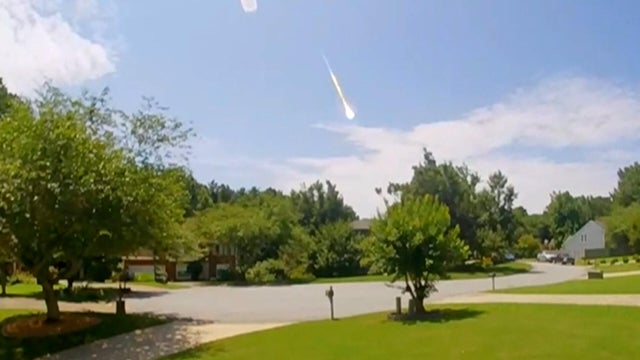
A mysterious fireball blazed across the sky in broad daylight on June 26, sparking hundreds of siting reports in Georgia and South Carolina.
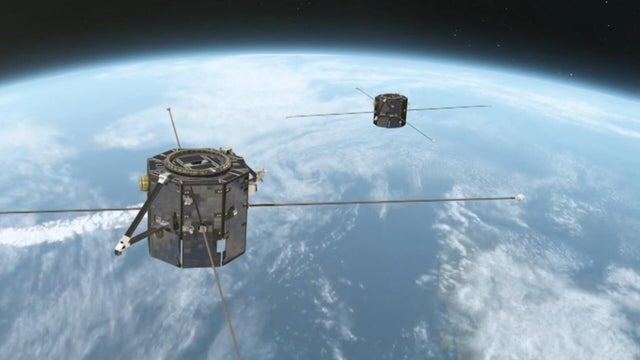
NASA's twin TRACERS satellites launched from the Vandenberg Space Force Base in California on Wednesday. The satellites will study how to protect Earth from the space weather surrounding the planet. CBS News space consultant Bill Harwood has more.

NWA 16788, the largest piece of Mars on Earth, fetched $5.3 million at auction. Franklin Institute chief astronomer and planetarium director Derrick Pitts joins CBS News with more.

While many fear sharks, they are an important part of our oceans' ecosystem. Marine scientists are studying how the food these predators eat can be seen as a litmus test for the health of the oceans. Elizabeth Cook reports.
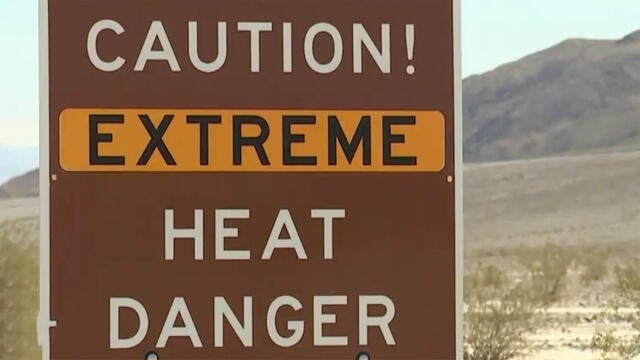
In this episode of "ClimateWatch," CBS News' national environmental correspondent David Schechter explores the ways humans and animals can protect themselves from the summer heat.
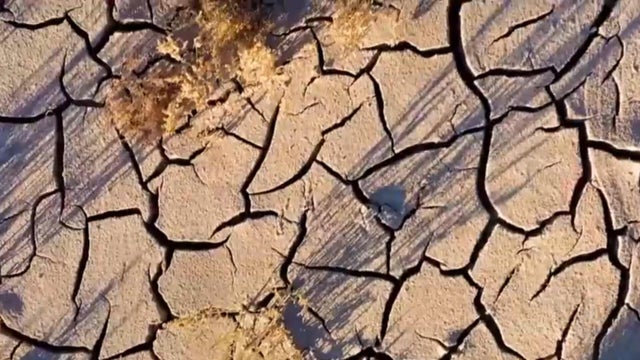
Over the past two years, Earth has endured some of the most widespread and destructive droughts ever recorded, according to a new analysis by the U.S. National Drought Mitigation Center and the U.N. Convention to Combat Desertification. Mark Svoboda, director and professor at the center, joins "The Daily Report" to discuss.
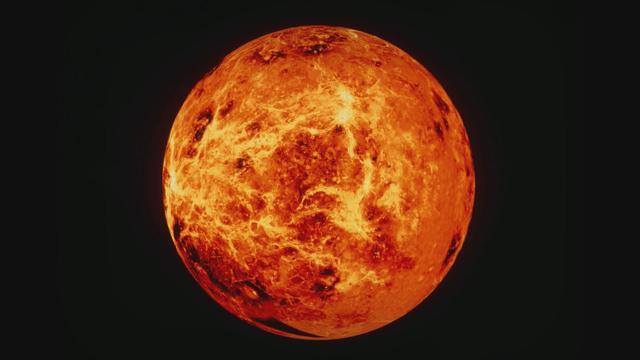
Scientists say Venus may hold important insights into some of humanity’s biggest challenges today. As NASA gears up for its Mars 2020 mission, CBS News’ Jeff Glor spoke to some who are looking to Earth’s mysterious neighbor.
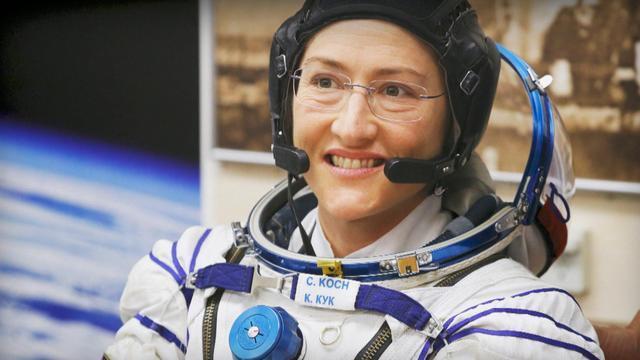
Astronaut Christina Koch now holds the record for the longest single spaceflight by a woman. Koch blasted off to the International Space Station 289 days ago. But her milestone is about much more than just the duration of her time way from Earth.
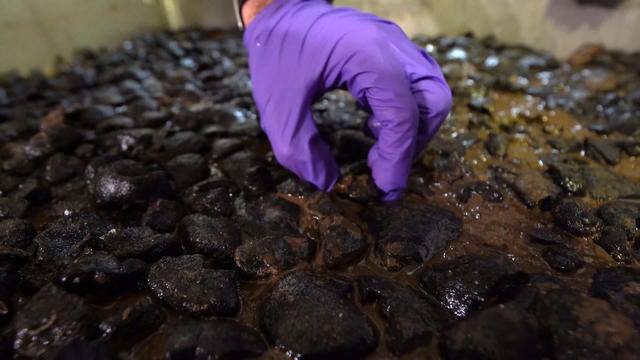
Rare earth elements and metals used in cellphones, supercomputers and more are sitting on the ocean floor, ready to be mined by multiple countries. So why is the U.S. on the sidelines? Bill Whitaker reports.