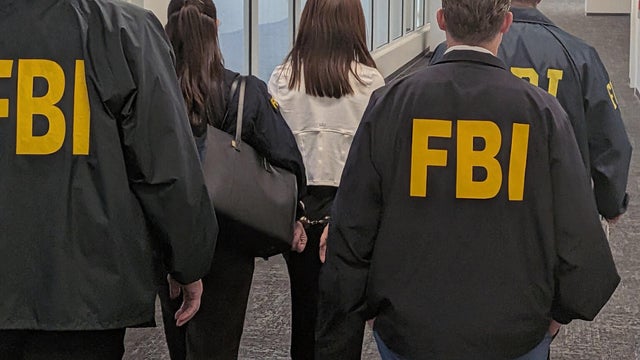
Psaki says vaccinating teachers not needed to reopen schools 5 days a week
The Centers for Disease Control has not said vaccinations are a requirement for teachers to return to the classroom.
Watch CBS News
The Centers for Disease Control has not said vaccinations are a requirement for teachers to return to the classroom.
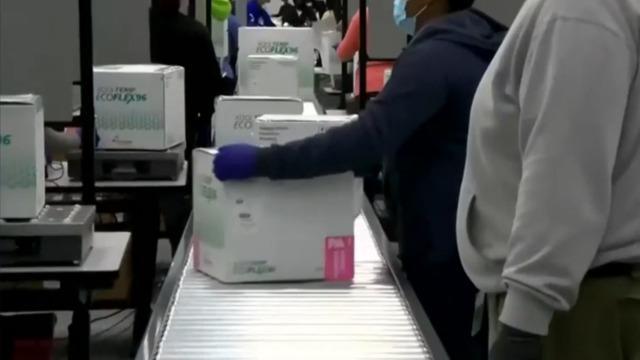
Over 56 million people in the U.S. have received at least one dose of a COVID-19 vaccine, but millions more need to be administered in order for the nation to achieve herd immunity. Meanwhile, the Centers for Disease Control and Prevention expects severe weather to continue to cause widespread delays in vaccine shipments over the next few days. "CBS This Morning" lead national correspondent David Begnaud reports on one California hospital that has vaccinated over 90% of its employees, and Dr. Susannah Hills, a pediatric airway surgeon and an assistant professor at New York-Presbyterian/Columbia University, joined CBSN to discuss the latest on the pandemic.
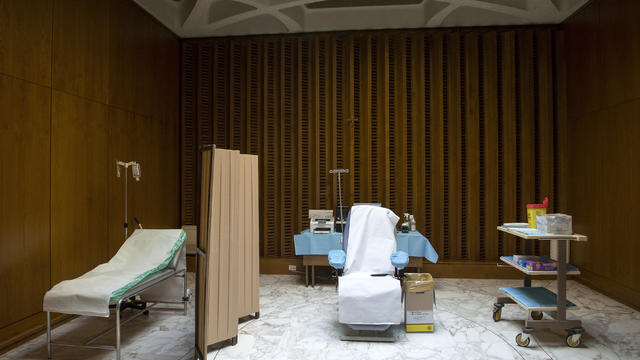
Those who work for the Catholic Church's city state in Rome who refuse the vaccine "without proven health reasons" could face an "interruption of the work relationship."
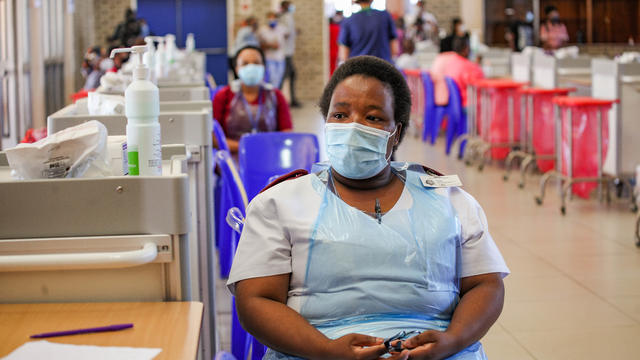
Experts warn that unless vaccines are rolled out in a timely fashion globally, the virus will continue to mutate, and that poses a risk to us all.
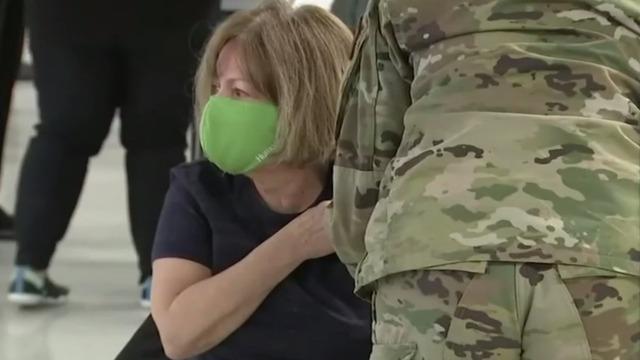
As President Joe Biden seeks to get the vaccine to all Americans and schools open again, a UK study will expose volunteers to the coronavirus in an effort to advance medical research into the pandemic. Dr. Neeta Ogden joined CBSN to discuss the latest efforts to combat the virus.
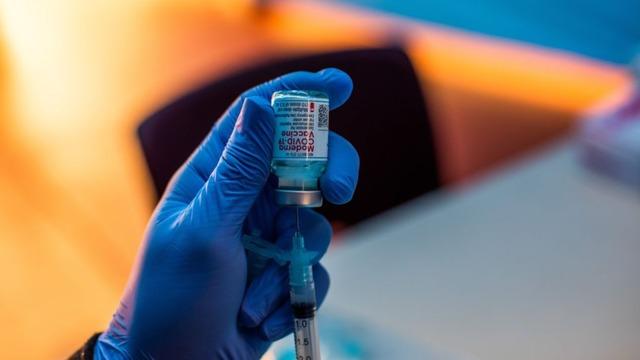
Winter storms are delaying vaccine shipments to several states as the nation pushes to speed up vaccinations. New variants are fueling concerns of a rapid rise in infections as the CDC warns up to 70,000 deaths could be recorded in the next month. Dr. Richard Besser, the president and CEO of the Robert Wood Johnson Foundation, joins CBSN to discuss the vaccination effort.
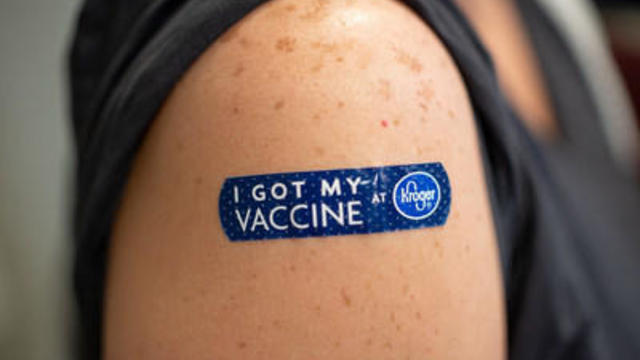
Kroger Health says it could immunize nearly 500,000 people a week if all its pharmacies start getting shots.
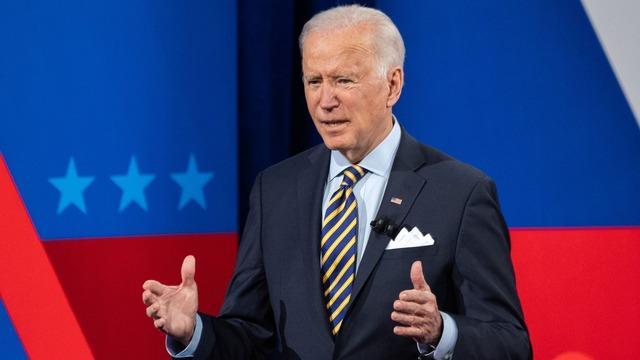
President Biden now says a coronavirus vaccine could be available to any American who wants it by the end of July. CBSN political contributor and Washington Post White House reporter Sean Sullivan joined CBSN with the latest on the administration's plan.
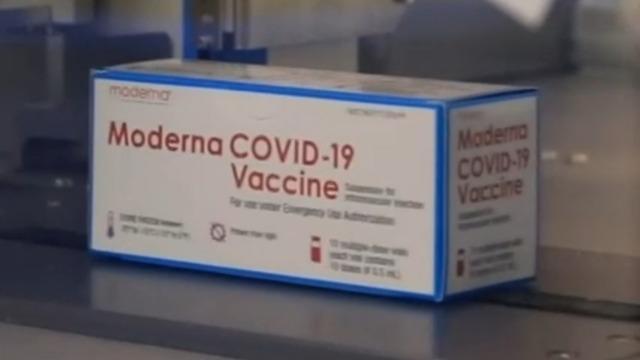
The Biden administration is promising enough coronavirus vaccine doses will be available for all Americans by the end of July. CBSN's Tanya Rivero spoke with John Moore, professor of microbiology and immunology at Weill Cornell Medical College, about how realistic these expectations are and steps schools can take to reopen safely.
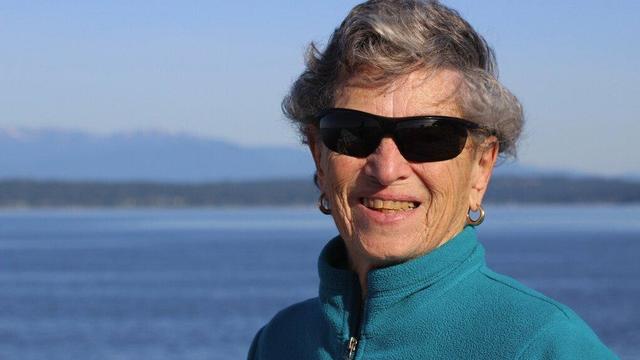
Just getting an appointment was difficult for the great-grandmother — then another wrench was thrown into the equation.
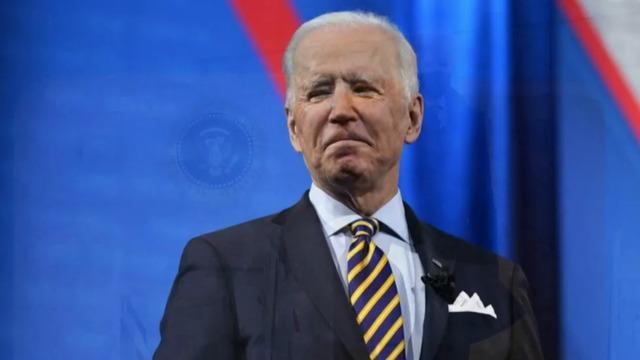
President Joe Biden focused on the coronavirus pandemic during a town hall in Wisconsin Tuesday night. He discussed ramping up vaccination efforts and why he's pushing for a $1.9 trillion relief bill. CBS News' Debra Alfarone joins "CBSN AM" from Washington with more.
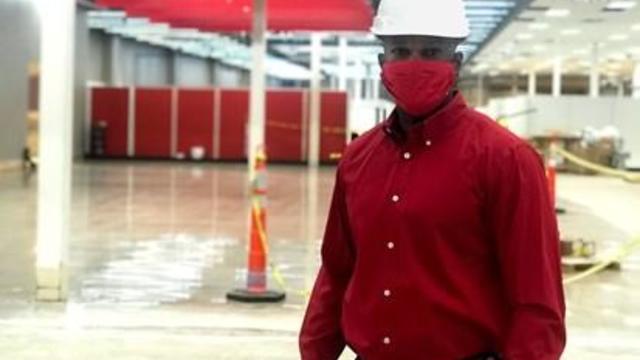
Tyson Foods is latest major employer to offer its 120,000 employees an incentive to get immunized against virus.
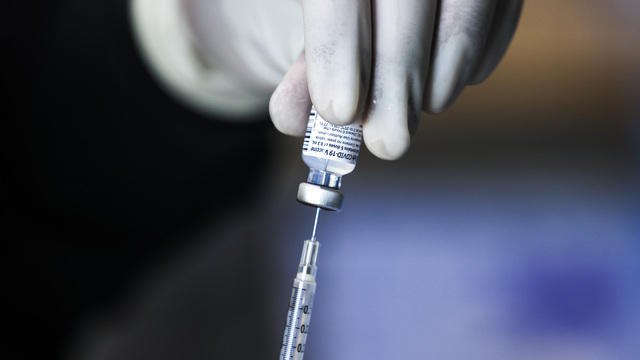
Power outages resulting from unusually heavy snow and ice temporarily threatened vaccine supplies in the Lone Star State.
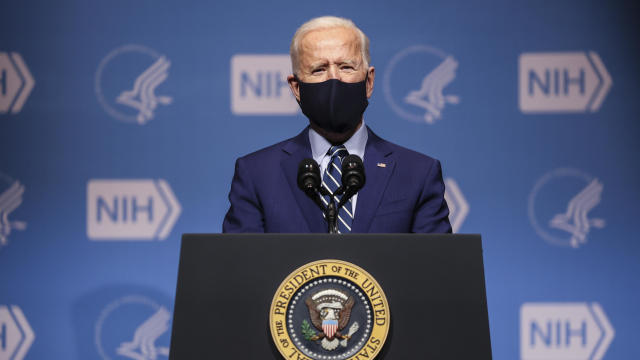
The president made the remarks during a CNN town hall in Milwaukee.
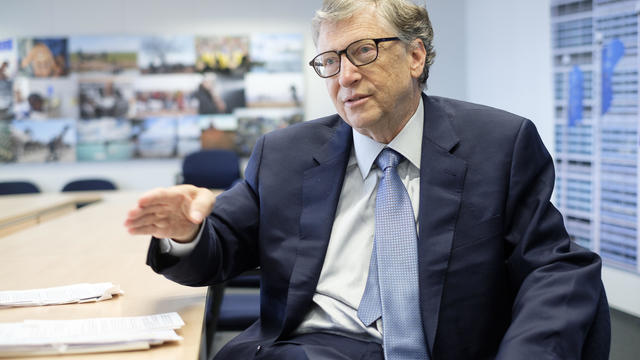
There's growing concern about the effectiveness of current vaccines against variants from Brazil and South Africa.
A number of religious-based conspiracy theories about the COVID-19 vaccine are increasingly popular on social media. They often refer to Christian themes regarding the devil and the apocalypse. This type of content is becoming increasingly difficult for social media companies to moderate, despite their recent crackdowns on misinformation. Elizabeth Dwoskin, a Silicon Valley correspondent for The Washington Post, joins CBSN's Elaine Quijano to explain the implications of these false claims.

The U.S. has reported its lowest daily infection rate since October, but more contagious variants of the coronavirus are spreading. CBS News' Errol Barnett spoke with Dr. Jerry Abraham, director of vaccine programs at Kedren Health, about what we need to do to stay on this downward trend.
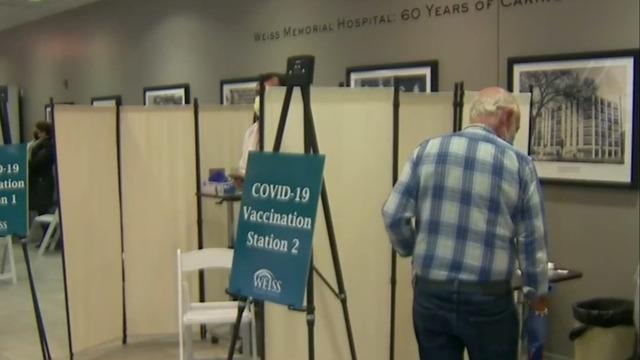
New COVID-19 cases continue to fall in the U.S. but public health officials warn this does not mean the nation is out of the woods. CBSN "Red and Blue" anchor Elaine Quijano spoke with Joanne Kenen, health editor-at-large for Politico, about what the nation needs to do to stay on the downward trend.
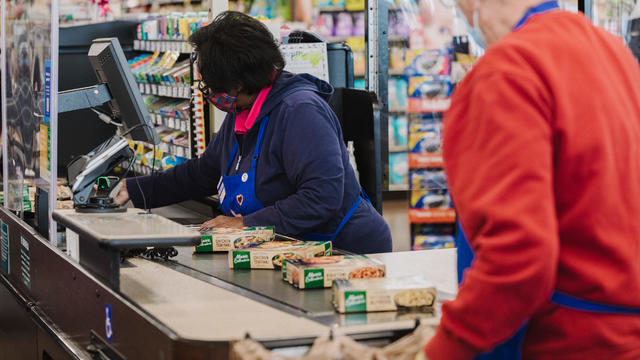
"Apparently we are not frontline workers when it comes to getting the vaccine," said employee at Kroger in Houston.

A South Korean lawmaker told reporters about a briefing by his nation's spy agency.
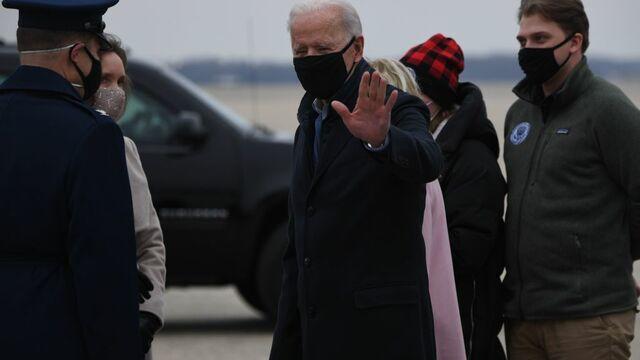
Washington is looking to move forward after lawmakers wrapped up former President Trump's impeachment trial over the weekend. CBS News chief White House correspondent Nancy Cordes joins CBSN's Elaine Quijano to discuss the latest.
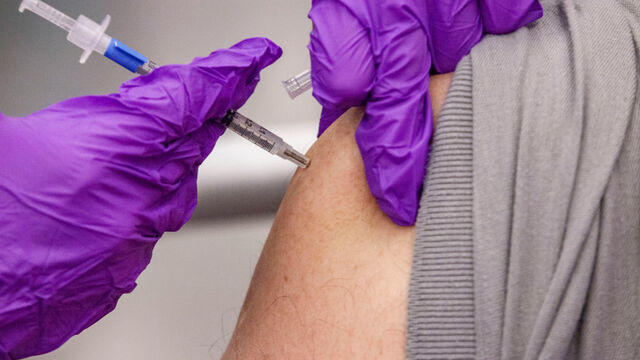
States across the U.S. are expanding access to coronavirus vaccines but say the supply still isn't enough. Meanwhile there are growing concerns about the spread of variants, including some first discovered in the United States. CBS News' Carter Evans reports from Los Angeles, and Dr. Eric Coie-Peña joins CBSN's Elaine Quijano to discuss the latest developments.
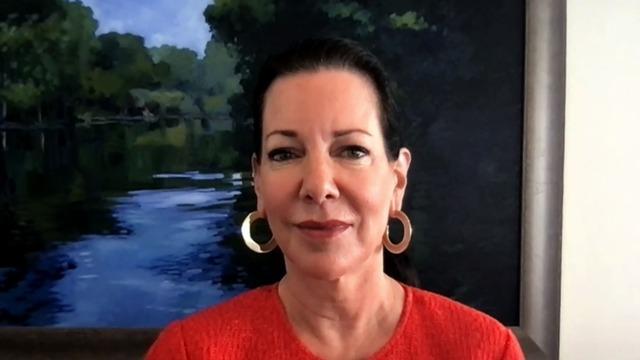
Rite Aid CEO Heyward Donigan says patients hoping to receive a vaccine should schedule an appointment through their state.
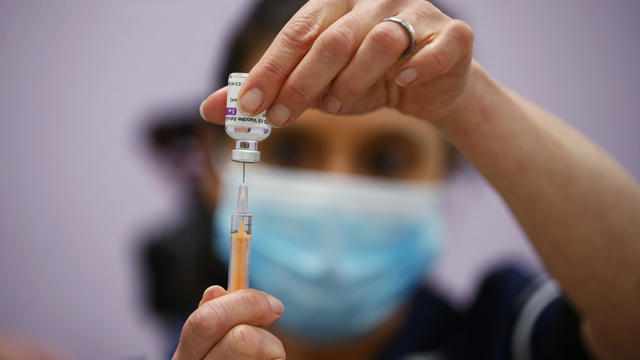
The university has launched a study to assess the safety of its vaccine with AstraZeneca in children for the first time.
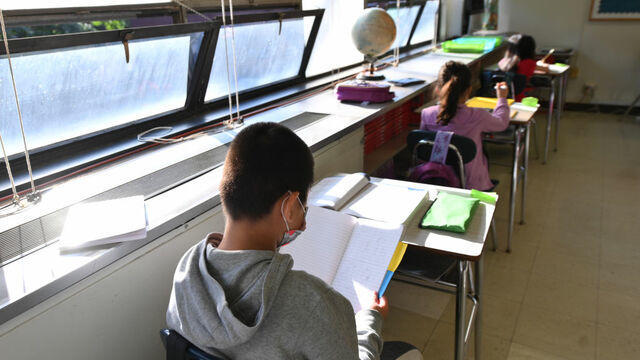
The CDC has released its long-awaited guidelines for safely reopening schools. It includes several mitigation strategies and does not suggest vaccinating teachers as a pre-condition. Dr. Leo Nissola, a physician and immunotherapy scientist, joined CBSN with more on the recommendations.