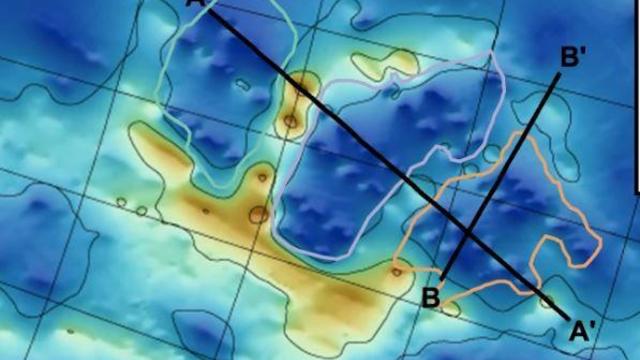
Scientists discover ancient landscape "frozen in time" under Antarctic ice
"No one's laid eyes on it," the lead author of the study said. "What is exciting is that it's been hiding there in plain sight."
Watch CBS News
"No one's laid eyes on it," the lead author of the study said. "What is exciting is that it's been hiding there in plain sight."
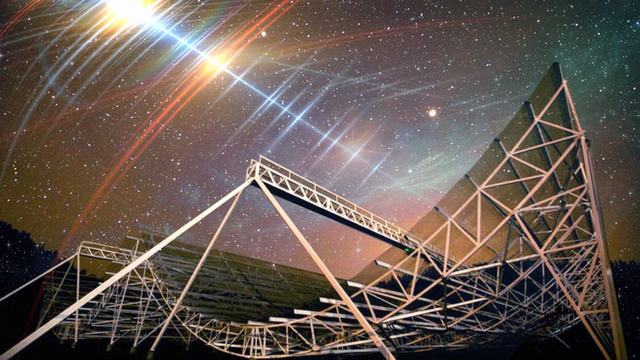
Exactly what causes fast radio bursts has become one of astronomy's great mysteries.
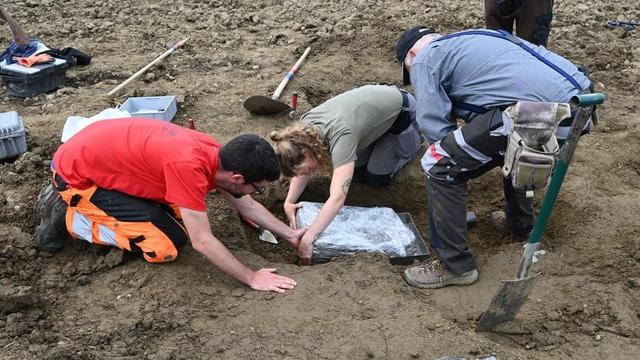
Franz Zahn made the unusual discovery while he was "out and about in a freshly harvested carrot field" in Switzerland, officials said,
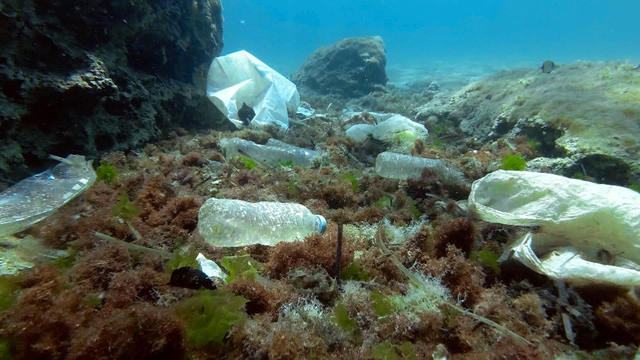
A whopping 170 trillion pieces of plastic litter our seas, impacting ocean health and entering the human food chain. Scientists recently probed the depths off the coast of Panama to learn more. CBS News senior national and environmental correspondent Ben Tracy reports.

The so-called Saint-Belec slab was found at the site of a tomb and claimed as Europe's oldest known map by researchers.

Thousands of sky gazers from Oregon to Texas looked to the skies Saturday morning to catch a glimpse of the rare partial solar eclipse named the "ring of fire" because the moon doesn't quite cover the sun. Omar Villafranca has more.
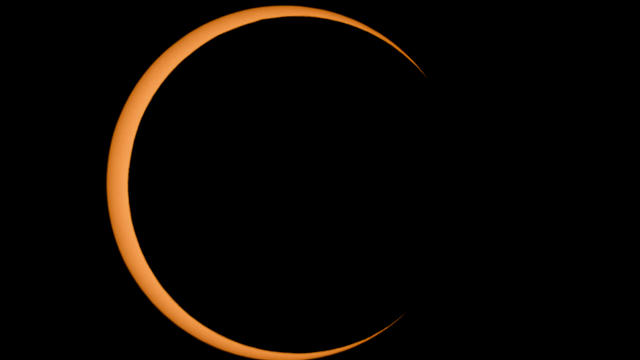
Americans from Oregon to Texas were able to view this weekend's eclipse.

Scientific research being conducted to extend the lifespans of animals could do more than just keep beloved pets alive longer: It could even help humans. The Dog Aging Project is a wide-ranging study involving more than 46,000 dogs and seeing the impact of a drug called rapamycin, which has been shown to extend the lifespan of mice and fruit flies. Dana Jacobson has more.
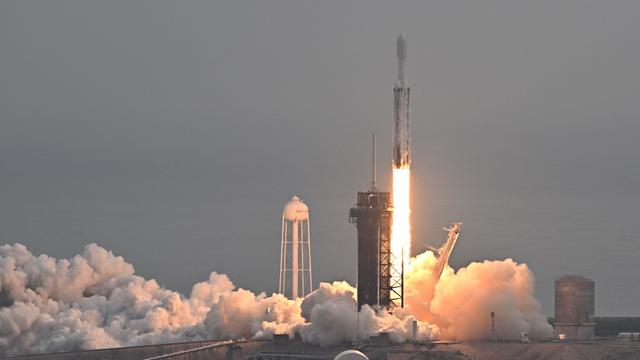
The asteroid Psyche may be a sample of planetary core material left over from the birth of the solar system 4.5 billion years ago.
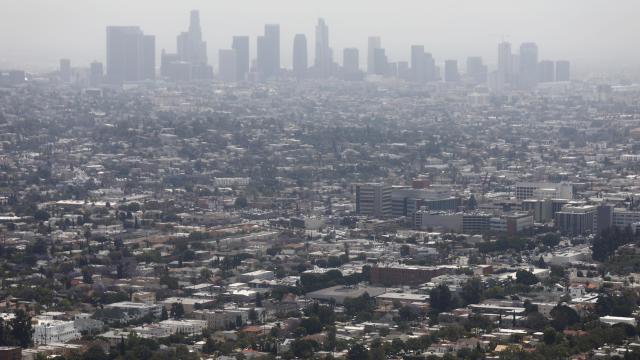
Smoke from wildfires is not the only reason for poor air quality this year. It turns out, those wildfires created another kind of pollution: Ozone.